
Nvidia searches for new CEO to replace Jensen Huang as board weighs his removal: Bloomberg
 Daniel Levi
Posted On November 12, 2026
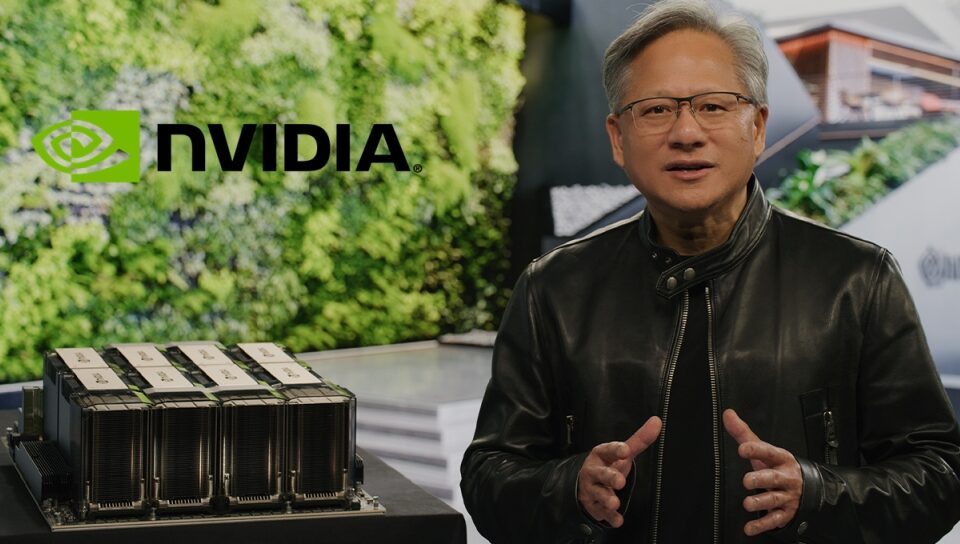
Nvidia is working with an outside firm to identify potential replacements for CEO Jensen Huang as its board considers removing the co-founder who transformed the chipmaker into the company at the center of the global artificial intelligence boom.
The search marks a dramatic escalation in a leadership crisis that has engulfed Nvidia following reports of multiple extramarital affairs involving Huang, including an alleged relationship with a Chinese businesswoman suspected of ties to a foreign intelligence operation.
According to Bloomberg, citing a person familiar with the situation, Nvidia’s board is considering appointing an interim CEO as it searches for a permanent successor. The discussions remain private, and no final decision has been announced.
“Nvidia Corp.’s board has been working with an outside firm to identify potential replacements for Chief Executive Officer Jensen Huang following reports of multiple extramarital affairs, including one with a woman who is reportedly suspected of spying for China,” Bloomberg reported, citing a person familiar with the situation.
The Wall Street Journal reported Wednesday that Nvidia’s directors were preparing to oust Huang. Board members reportedly met that day to discuss his future, raising the possibility of the biggest leadership shake-up in the company’s 33-year history.
The developments follow a New York Times report that Huang had an extramarital relationship with Kimberly Powell, Nvidia’s vice president of healthcare, who reported directly to him. The disclosure added to an already escalating controversy involving Alice Huang, a Chinese businesswoman whose reported relationship with the Nvidia chief has attracted scrutiny from U.S. intelligence officials.
Huang previously acknowledged being unfaithful to his wife and pledged to cooperate with an independent investigation.
The growing controversy has rattled Wall Street. Nvidia shares fell sharply following reports of Huang’s possible removal, adding to hundreds of billions of dollars in market value lost amid the unfolding crisis.
Nvidia Faces a Succession Crisis That Could Shake the Global AI Industry
Huang’s potential departure raises a question few investors expected Nvidia to confront so abruptly: Who can replace the executive who built the company into the dominant supplier of AI chips?
Huang co-founded Nvidia in 1993 and has led the company through its transformation from a graphics processor manufacturer into a central supplier of computing infrastructure for artificial intelligence.
His influence reaches far beyond Nvidia’s headquarters in Santa Clara, California. Technology giants including Microsoft, Google, Amazon, and Meta have committed billions of dollars to AI infrastructure, much of it built around Nvidia’s processors.
Replacing Huang would mean finding someone who can manage complex semiconductor operations, maintain relationships with major customers, and steer the company through mounting geopolitical tensions between Washington and Beijing.
The reported succession search comes just four days after Nvidia’s board publicly expressed confidence in its chief executive.
In a November 8 statement announcing an independent investigation into reports that Huang had been targeted by a foreign intelligence operation, the board said:
“The Board has confidence in Jensen and his leadership team and will provide further updates as appropriate.”
Nvidia said at the time that it had no reason to believe company secrets or U.S. national security had been compromised. The investigation, overseen by independent directors and outside legal counsel, was intended to examine the available evidence.
The apparent shift from publicly supporting Huang to reportedly exploring potential replacements underscores the pressure facing Nvidia’s directors.
Investors are confronting another concern: Nvidia’s reliance on a founder whose technical judgment, customer relationships, and strategic decisions have shaped nearly every major chapter of its growth.
A leadership change could unsettle investors and customers at a time when Nvidia remains central to the AI industry’s infrastructure spending.
It could intensify scrutiny in Washington, where advanced semiconductor exports to China have become a major national security issue.
Still, Nvidia’s existing products, engineering teams, and customer commitments would not disappear if Huang left. The larger question is whether a successor could preserve the company’s competitive position without the executive most closely associated with its rise.
For now, Huang remains Nvidia’s CEO, and the board has not publicly announced a decision to remove him.
But the reported search signals that Nvidia is preparing for a future few could have anticipated just days ago: an AI industry led by Nvidia, potentially without Jensen Huang at its helm.


