Nvidia board is preparing to oust CEO Jensen Huang over affairs, WSJ reports
 Daniel Levi
Posted On November 11, 2026
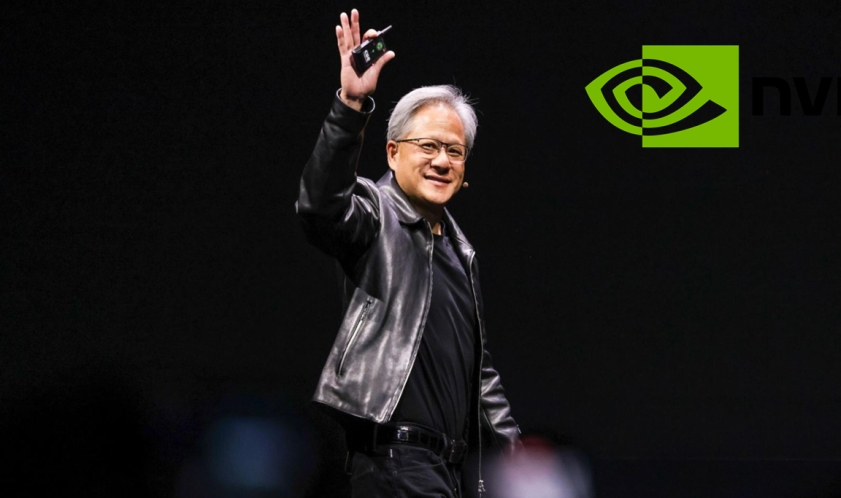
Nvidia’s board is preparing to remove founder and CEO Jensen Huang following revelations of two extramarital affairs, including one involving a woman suspected of having ties to Chinese intelligence, The Wall Street Journal reported Wednesday, citing people familiar with the matter.
The board could meet as soon as Wednesday to decide Huang’s future, the report said. The potential departure would mark a stunning reversal for the executive who transformed Nvidia into a $4 trillion technology giant and became one of the most influential figures in the global artificial intelligence boom.
“Nvidia’s board is preparing to oust CEO Jensen Huang, its founder and chief executive after he had two extramarital affairs, including one with a suspected Chinese spy,” The Wall Street Journal reported.
“The board is preparing to meet as soon as Wednesday to determine his future, people familiar with the matter said. His departure would bring down the curtain on an era during which he stoked the global artificial-intelligence boom and became a geopolitical star. It would leave one of the world’s most valuable companies in need of a new leader,” the Journal added.
Reuters also confirmed the Wall Street Journal report but said it could not independently verify its claims. Nvidia did not immediately respond to requests for comment.
The latest development follows a New York Times report earlier Wednesday that Huang had an extramarital relationship with Kimberly Powell, Nvidia’s vice president of healthcare, who reported directly to him. The Times cited five people who worked at the company.
That disclosure adds another layer to an escalating controversy involving Alice Huang, a Chinese businesswoman whose reported relationship with the Nvidia chief has drawn scrutiny from U.S. intelligence officials, lawmakers and the company’s board.
Huang previously acknowledged being unfaithful to his wife as questions mounted over whether he had been targeted by a foreign intelligence operation.
The allegations have rattled investors. Nvidia shares fell roughly 8% in after-hours trading Wednesday following reports that the board was considering Huang’s removal. The company’s market value had already suffered hundreds of billions of dollars in losses amid the controversy.
Nvidia faces a leadership crisis at the center of the AI boom
The reported move comes just three days after Nvidia’s board announced an independent investigation into allegations that a foreign intelligence operation targeted Huang.
In a November 8 statement, the company said independent directors, with help from outside legal counsel, would oversee the review.
“The Board has confidence in Jensen and his leadership team and will provide further updates as appropriate,” Nvidia said at the time.
The board stressed that it had no reason to believe Nvidia’s confidential information or U.S. national security had been compromised.
The contrast between that statement and Wednesday’s reported deliberations raises questions about what may have changed behind closed doors.
The controversy has attracted attention in Washington, where lawmakers are scrutinizing Huang’s relationship with Alice Huang and possible implications for U.S. restrictions on advanced semiconductor exports to China.
Huang’s influence extends far beyond Nvidia’s headquarters in Santa Clara, California.
Since co-founding Nvidia in 1993, he has overseen its transformation from a graphics-chip maker into the dominant supplier of processors used to train and run advanced AI models. Its technology now supports major AI systems developed by OpenAI, Microsoft, Google and other technology companies.
His leadership has become closely associated with Nvidia’s extraordinary rise, making the prospect of replacing him particularly challenging.
A departure could force Nvidia to confront difficult questions about succession, customer relationships and its ability to maintain investor confidence during an unprecedented period of AI infrastructure spending.
It could carry geopolitical consequences, too. Nvidia sits at the center of Washington’s efforts to maintain America’s technological advantage over China, placing its leadership under intense scrutiny from policymakers on both sides of the Pacific.
For now, Huang remains Nvidia’s chief executive, and no formal decision to remove him has been announced.
Yet the stakes extend well beyond one executive’s future.
The company that helped ignite the modern AI boom may soon face its biggest leadership test in more than three decades, at a moment when the technology industry depends heavily on its chips and long-term strategy.