Marc Lore’s food delivery startup Wonder confidentially files for IPO after reaching $9 billion valuation and raising over $3 billion
 Daniel Levi
Posted On November 5, 2026
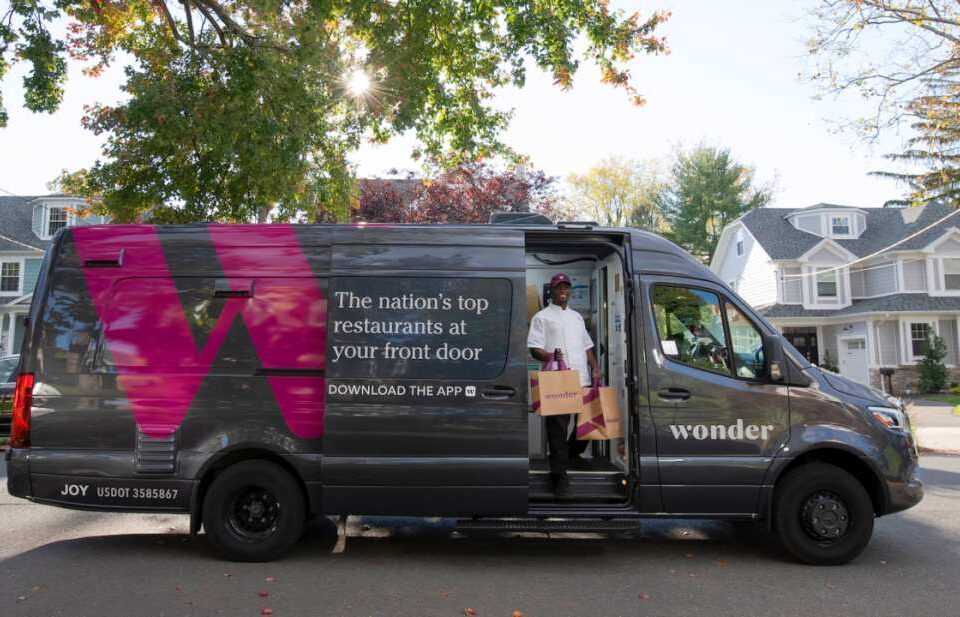
Marc Lore’s food delivery startup Wonder has confidentially filed for an initial public offering, setting the stage for a potential Wall Street debut after raising more than $3 billion in venture capital, reaching a $9 billion private valuation, and spending at least $1 billion acquiring food delivery and restaurant businesses.
The New York-based company announced Thursday that it submitted a draft Form S-1 registration statement to the U.S. Securities and Exchange Commission for a proposed offering of Class A common stock. Wonder has not disclosed how many shares it plans to sell, its expected IPO price, or when it might begin trading.
The filing marks a major turning point for Lore, the serial entrepreneur who previously built Diapers.com and Jet.com before selling them to Amazon and Walmart, respectively. His latest venture aims to do something far more ambitious than build another food delivery app: bring restaurants, meal preparation, ordering, and delivery under one company.
Founded in 2018, Wonder initially planned to deliver restaurant-quality meals from specially equipped vans with mobile kitchens. That strategy eventually gave way to physical locations where customers could order dishes from multiple restaurant brands through a single app.
Wonder now operates roughly 170 locations across the United States, serving menus from more than two dozen restaurant concepts covering different cuisines. Some feature branding from well-known celebrity chefs.
Unlike traditional delivery platforms that connect customers with independent restaurants, Wonder operates kitchens that prepare much of the food sold through its platform. That gives the company greater control over the customer experience, but it comes with the costs of running physical restaurant operations.
From a food delivery startup to a $9 billion restaurant empire
Wonder’s expansion has been fueled by an aggressive acquisition strategy that has reshaped the company into a broader food technology business.
The startup acquired meal-kit provider Blue Apron for $103 million in 2023 and delivery platform Grubhub for $650 million in 2025, CNBC reported. Its purchases have extended into restaurant concepts, logistics, and kitchen automation, including the acquisition of robotics company Spyce.
In total, Wonder has spent at least $1 billion on acquisitions, backed by more than $3 billion in venture funding.
Its most recent Series D financing in July brought in $650 million at a $9 billion pre-money valuation, with participation from investors including Accel, GV, AllianceBernstein, and ARK Invest, CNBC reported. That valuation reflects Wonder’s private fundraising, not the price investors would necessarily assign to the company in an IPO.
Wonder isn’t finished experimenting with its business model.
On November 17, the company plans to introduce Wonder Create, a service that allows influencers, entrepreneurs, and brands to launch restaurant concepts from existing Wonder kitchens. Participants can start for $10 per month and receive a share of revenue generated by customer orders.
The idea could turn Wonder’s restaurant network into a distribution platform for food brands that want to reach customers without opening their own kitchens.
Lore has bigger plans for the company. In a September interview with CNBC, he said proceeds from a public offering could finance additional acquisitions and support Wonder’s mission of making food more accessible.
Wonder is preparing to test drone delivery in Texas in January 2027 through a partnership with Zipline, adding another potential distribution channel to its growing operations.
Still, the IPO filing arrives at a difficult moment for restaurant companies and businesses seeking public-market investors. Weak consumer sentiment, market volatility, and concerns over operating costs have complicated the outlook for new listings.
Wonder’s confidential filing means investors do not yet have a complete public picture of its revenue, losses, or path to profitability.
That financial disclosure will be especially important for a company pursuing a capital-intensive strategy built around physical locations, acquisitions, and delivery infrastructure.
Lore has already shown he can build companies that attract multibillion-dollar buyers. Wonder presents a different challenge.
The question now is whether a business built with more than $3 billion in venture funding can convince public-market investors that its ambitious restaurant model can generate sustainable profits.