Crediflow AI raises £1.5M to automate business loan underwriting, cutting days of manual work to minutes
 Nickie Louise
Posted On November 4, 2026
For banks and commercial lenders, approving a business loan can involve days of paperwork before anyone makes a lending decision. Manchester-based fintech startup Crediflow AI has raised £1.5 million to change that, using artificial intelligence to shrink hours of manual credit analysis into a process that takes just 10 to 30 minutes.
PXN Ventures led the funding round through the Northern Powerhouse Investment Fund II (NPIF II), with participation from Haatch and angel investors. The startup plans to use the fresh capital to develop its AI platform, hire engineers and product specialists, and bring its technology to more banks and specialist lenders.
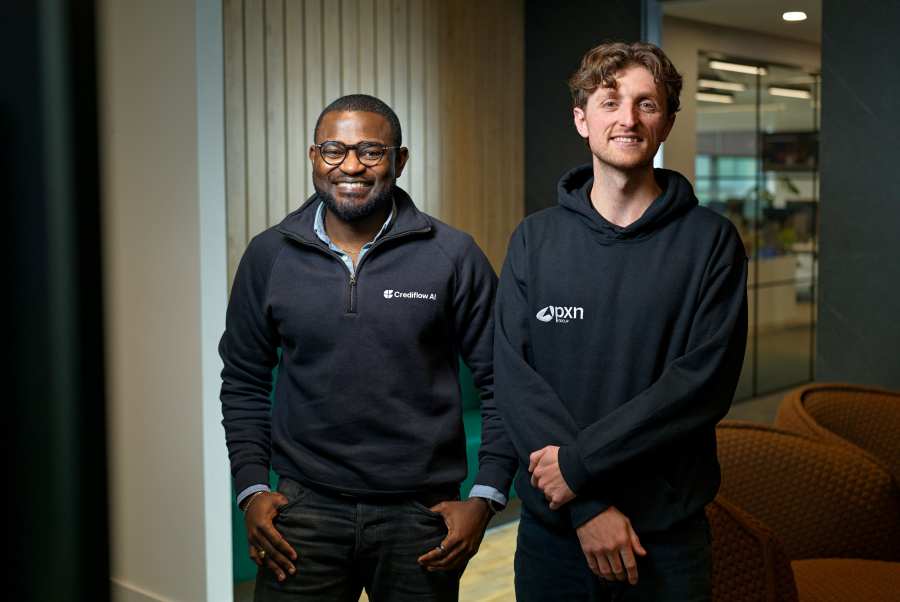
Founded by Drey Kenfack, a commercial lending veteran with more than a decade of experience, Crediflow is tackling a problem that has long slowed business financing: the mountain of administrative work required to assess borrowers before approving loans.
Credit teams routinely spend hours collecting financial statements, reviewing bank transactions, extracting figures from PDFs, and preparing reports for lending committees. Much of that information sits across spreadsheets, emails, and disconnected systems.
Crediflow wants to take that work off their hands.
Its AI platform collects borrower documents, extracts and standardizes financial data, analyzes cash flow, and prepares credit memos in formats that match each lender’s internal requirements. According to the company, tasks that previously took several days can now be completed in 10 to 30 minutes.
Here’s where Crediflow draws the line. The company isn’t replacing lenders or making final credit decisions. It’s automating the preparation and analysis that credit professionals need to make those decisions.”
Hundreds of credit professionals across the UK, Europe, and the US already use the platform, with customers ranging from specialist lenders such as AddWorking Capital to commercial finance providers such as Iveco Capital.
From lending frustrations to an AI startup
Kenfack came up with the idea after spending years in commercial lending and private credit, including senior credit positions at Ford Credit Bank, DF Capital Bank, and Advance Global Capital.
He saw firsthand how time-consuming underwriting processes restricted lenders’ ability to assess more deals, particularly smaller business loans where administrative costs can eat into potential returns.
“Growing a loan book takes more than finding borrowers and having capital available. You need the capacity to assess those businesses, get decisions through approval and stay on top of risk once the money is out the door. I’ve spent much of my career doing that work,” Kenfack said.
“When every transaction requires hours of manual preparation, it affects how much business a lender can take on and which deals are worth pursuing. We built Crediflow to bring that workload down and give credit teams more time to understand the borrower and structure the financing.”
The company received early backing last year through PXN’s PraeSeed program, a 12-week investment initiative supported by the British Business Bank and NPIF II. Its latest financing marks another step in its effort to turn that early investment into a larger commercial lending software business.
Investors see an opportunity in a market where financial institutions still depend heavily on manual processes.
“The best B2B founders build the product they wished they’d had in their last job,” said Jonathan Keeling, partner at Haatch.
The new funding will help Crediflow extend its automation beyond initial underwriting into loan origination and ongoing monitoring, allowing lenders to manage more of the lending process through a single platform.
For smaller businesses seeking financing, the implications could be significant. Underwriting costs can make smaller loans less attractive to lenders, potentially limiting financing options for companies that need capital to grow.
Crediflow’s pitch is that reducing those costs could make more lending opportunities economically viable.
That remains a proposition the company will need to prove as it scales. Its reported processing-time improvements are company claims, and faster credit preparation doesn’t automatically translate into faster loan approvals.
Still, the AI startup is betting on a straightforward idea: Banks shouldn’t need more paperwork or larger credit teams just to lend more money.