Hackers hijack supermarket fridges across Europe, raising temperatures and spoiling food
 Nickie Louise
Posted On November 2, 2026

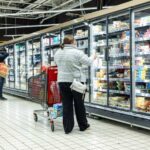
Hackers targeted supermarket refrigeration systems across Europe on Monday, November 2, sending freezer temperatures soaring, destroying food, and forcing retailers to discard thousands of euros worth of fresh and frozen products. The attacks hit stores from Sweden to Belgium, including locations operated by Ahold Delhaize, Colruyt, ICA, Coop, Carrefour, and IKEA, raising fresh concerns about the security of internet-connected equipment used throughout the food supply chain.
The latest incidents come just three weeks after hackers targeted refrigeration systems at approximately 700 French supermarkets, causing food losses and fires. The attacks are exposing an overlooked weakness in modern retail: equipment designed to keep food safe can become a liability when attackers gain remote access to its controls.
In Stockholm, the consequences were immediate. At an ICA supermarket, employees arrived to find freezers at 50°C (122°F), far above the temperatures needed to preserve food.
“Freezers at dozens of supermarkets in Sweden and Belgium have suddenly overheated, ruining food worth millions of euros just weeks after French retailers were targeted in a cyber attack,” The Financial Times reported.
“Everything is destroyed,” Engla Ingwall, a sales manager at the store, told Reuters. The attack reportedly began around 2 a.m. but went unnoticed for several hours.
“There has been a cyberattack and all our freezers reached 50 degrees (Celsius),” she said.
The damage extended well beyond Sweden. Belgian supermarket operator Colruyt reported attacks affecting refrigeration systems at five Spar stores. Carrefour said 15 of its 700 Belgian locations were affected. IKEA confirmed an incident at one Belgian store and said further disruptions could not be ruled out.
In Ireland, wholesaler Musgrave reported that refrigeration problems affected 13 SuperValu stores, forcing the removal of some chilled and frozen goods from sale.
A Belgian butcher south of Antwerp, Luc De Laet, estimated that about €15,000 ($16,800) worth of meat was ruined after refrigerator temperatures climbed to 18°C.
“It’s very scary. They are hacking the system that is doing the registration of the temperature, and they can program it at a distance,” De Laet told Reuters.
Hackers Raise Freezer Temperatures to 50°C as Cyberattacks Spread Across Europe
The attacks appear to exploit a feature that has become standard in modern commercial refrigeration: remote monitoring and temperature control.
Supermarkets increasingly rely on connected systems that allow maintenance providers to adjust temperatures, monitor equipment, and respond to faults without visiting individual stores. Those same connections can give attackers a way to interfere with physical equipment if security protections fail.
At least some of the refrigeration systems affected Monday used technology supplied by Danish manufacturer Danfoss, whose controllers were implicated in the October attacks in France.
Cybersecurity firm Claroty had previously identified vulnerabilities affecting Danfoss refrigeration controllers, including weaknesses that could allow unauthorized access and remote code execution. In research published in August, Claroty identified thousands of internet-exposed devices, highlighting the problem’s potential scale.
Danfoss has said it is working with customers to address security issues. The company previously warned that some equipment affected in France ran outdated firmware.
The exact method used in Monday’s attacks remains unclear, and investigators have not confirmed that the vulnerabilities identified by Claroty were exploited.
The risks extend beyond supermarkets.
WIRED reported in April that Iran-linked hackers had targeted industrial control systems at American energy and water utilities, with U.S. authorities warning of operational disruptions and financial damage.
The incidents involved different equipment and have no established connection to the European supermarket attacks. They illustrate a broader cybersecurity problem: systems that once operated independently are increasingly accessible through digital networks, creating opportunities for intrusions with physical consequences.
European Officials Warn of Growing Threat to Food Supply Chains
European officials are increasingly concerned that attacks on connected infrastructure could disrupt everyday services without requiring hackers to breach traditional corporate databases.
“They are a deliberate attempt to disrupt our food supply chain and undermine consumers’ confidence in it – a warning that we must take seriously,” EU agriculture commissioner Christophe Hansen said of the attacks, according to Reuters
“The repeated occurrence of these cyberattacks is deeply concerning.”
No hacking group has claimed responsibility for Monday’s incidents or the earlier attacks in France. Reuters could not establish whether the two waves were connected.
Tom Hegel, a researcher at cybersecurity company SentinelOne, said the absence of apparent financial demands could point to sabotage rather than conventional ransomware operations.
“Retail is an easy target because retail chains run enormous estates of refrigeration controllers, building management systems, door access panels and point-of-sale gear,” Hegel told Reuters.
Attribution remains difficult. Investigators have not identified the attackers, and no confirmed evidence links the incidents to a particular government or politically motivated group.
The attacks present a troubling reality for retailers. A cyberattack no longer needs to steal customer information, encrypt company files, or shut down payment systems to cause serious financial damage.
Sometimes, changing a temperature setting is enough.
For supermarkets operating on thin margins and handling perishable inventory, a few hours of unauthorized access can mean discarded food, empty shelves, and substantial losses.
And with another wave of incidents emerging less than a month after the French attacks, the security of connected refrigeration systems is becoming a much more urgent question for Europe’s food retailers.