Startup Funding News Today, November 2, 2026: Northwood Space, Hypersonica, RoboScience & More
 Nickie Louise
Posted On November 2, 2026
Venture capital is moving into the physical infrastructure behind the next wave of technology. Space communications, advanced semiconductors, autonomous robots, missile technology, and industrial automation dominated the most significant startup funding announcements over the past 24 hours. Northwood Space led the day’s verified dollar-denominated rounds with a $375 million Series C at a $2 billion valuation, while China’s Xinlian Power announced nearly RMB 2 billion in financing for advanced power semiconductors. European defense startup Hypersonica also secured €100 million to accelerate development of hypersonic missile technology
The activity extends well beyond those three companies. Chinese automotive technology supplier Gelubo Technology completed a financing exceeding RMB 600 million, while robotics startup RoboScience raised several hundred million yuan. Medical-device manufacturer Yingjiexin Medical secured RMB 200 million to expand production of drug-delivery systems, including injection pens used with GLP-1 treatments.
Other announcements point toward emerging demand for automotive networking chips, brain-computer interfaces, distributed clean-energy infrastructure, and lower-cost drone detection systems. Yitai Intelligent disclosed new Series A financing exceeding RMB 200 million. Junrou Technology secured nearly RMB 100 million for flexible neural electrodes, while India’s Two Point O Capital raised $10 million to expand its clean-energy financing platform. French defense startup Gallium Defense added €7.1 million to commercialize radar technology built partly around telecommunications components.
Today’s funding activity tells a different story from the familiar narrative of investors financing another generation of AI applications. The most substantial disclosed rounds involve companies building the hardware, manufacturing capabilities, and specialized systems needed to make advanced technology work in the real world.
The geographic distribution is also significant. Six of the 10 selected startups are based in China, two in Europe, one in the US, and one in India. That concentration reflects verified announcements during this reporting period, not an attempt to distribute deals evenly across regions.
The selected transactions include $385 million in dollar-denominated financing, €107.1 million in euro-denominated financing, and several substantial renminbi-denominated rounds. The amounts are reported in their original currencies to avoid creating false precision.
The Macro Environment: Venture Capital Moves From AI Applications to Physical Infrastructure
The most important pattern in today’s funding activity is the growing connection between software innovation and physical infrastructure. Northwood is expanding the communications systems that connect satellites to Earth. Xinlian Power manufactures semiconductors that control electrical power. RoboScience is developing AI models that can operate robotic systems. These businesses are addressing different markets, but all depend on integrating advanced technology with physical equipment.
The investments also highlight the importance of industrial capacity. Hypersonica is developing missile technology for European defense customers, while Gelubo is manufacturing electronic braking and chassis systems for vehicles. Yingjiexin is expanding the production of precision drug-delivery devices. In each case, research and product development are only part of the investment proposition. Investors also need confidence that the company can manufacture reliable products at commercially viable costs.
Strategic considerations are influencing capital allocation. China’s investment in compound semiconductors, automotive electronics, and robotics reflects the importance of developing domestic industrial capabilities. European defense investment is tied to growing demand for military technologies that can be developed and produced within the region. In the United States, Northwood’s business serves commercial satellite operators and government missions, including national security requirements.
AI remains important, but its role differs across these transactions. RoboScience is building models for physical manipulation. Yitai is developing networking chips that could support connected machines and vehicles. Two Point O Capital uses data analysis and machine learning to evaluate energy projects. Gallium Defense combines signal-processing software with radar hardware. None of these businesses can establish a lasting advantage through AI capabilities alone. Their commercial prospects depend on specialized engineering, integration, production, and customer adoption.
The reporting period also requires geographic context. The 24-hour window begins on Sunday morning in New York and ends early Monday. It therefore includes much of Monday’s business day in Asia, Monday morning in Europe, and relatively little of the new U.S. business week. The concentration of Chinese announcements is meaningful for this report, but it should not be mistaken for a definitive shift in global venture capital flows.
The broader investment signal is selective conviction in technology that solves operational constraints. Investors are supporting companies that can provide infrastructure, reduce manufacturing costs, improve technical performance, or deliver specialized capabilities that customers cannot easily obtain elsewhere.
Northwood Space raises $375M in funding to expand satellite ground infrastructure
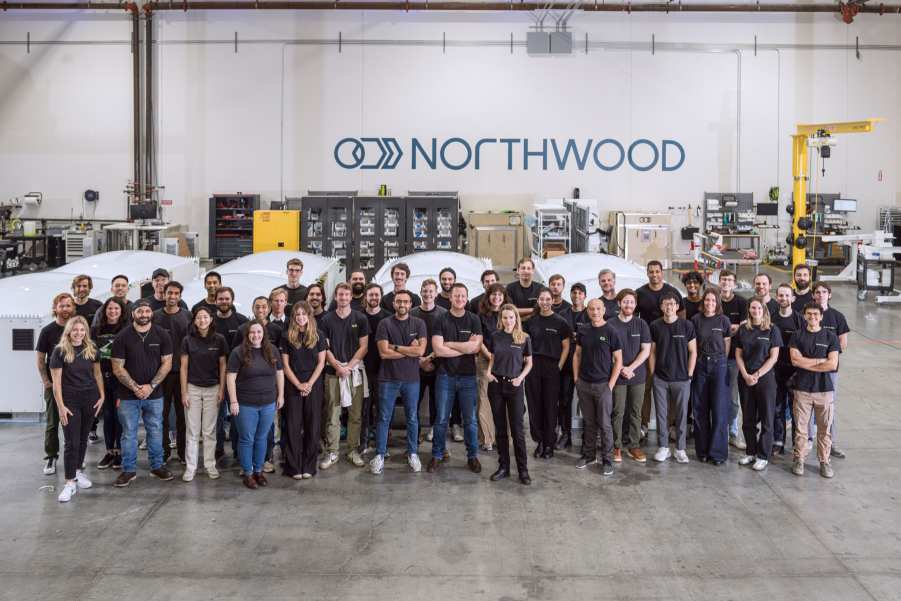
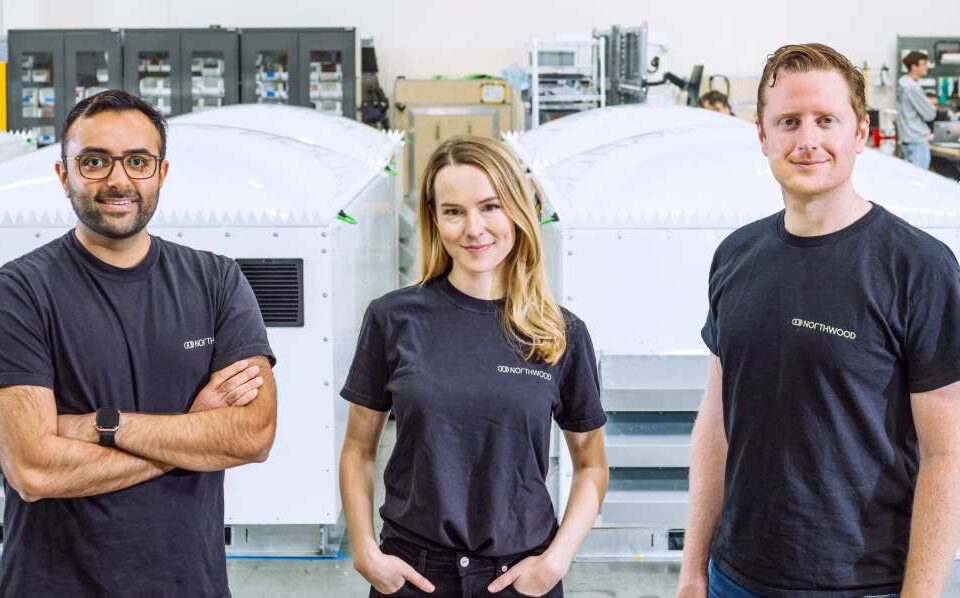
California-based Northwood Space closed a $375 million Series C financing co-led by Andreessen Horowitz and DFJ Growth, with participation from Alpine Space Ventures, Washington Harbour Partners, Stepstone Activate, In-Q-Tel, and other investors. Axios reported that the financing values Northwood at approximately $2 billion.
The company also arranged a separate multiyear credit facility with HSBC Innovation Banking. The facility’s amount was not disclosed and is not included in the $375 million equity figure.
Founded by Bridgit Mendler and her co-founders, Northwood is developing ground infrastructure that allows satellites to exchange information with Earth. Satellite operators depend on ground stations to transmit commands, receive data, and maintain communications.
As satellite constellations become larger, ground infrastructure can become a constraint. Building individual ground stations is expensive, requires suitable locations, and can involve lengthy deployment processes. Northwood is approaching the problem through a shared network. Its technology combines modular antennas, software, and ground stations that can support different satellite orbits.
The company manufactures its own Portal phased-array antennas and Prism high-throughput dishes. Its software lets satellite operators schedule communications through the network without building dedicated facilities. Northwood says it has deployed six multi-orbit-capable sites across two continents. It has also opened a 185,000-square-foot manufacturing facility in Torrance, California.
Why this round matters
Northwood’s financing reflects the growing value of infrastructure supporting commercial and government space operations. Satellite companies need more than launch capacity. They must also communicate reliably with spacecraft after deployment. A shared ground network could reduce the capital satellite operators need to build communications infrastructure.
The business also benefits from potentially recurring demand, because satellites need communication services throughout their operating lives. However, Northwood still faces significant capital requirements. The company must manufacture equipment, establish ground sites, maintain service availability, and win contracts in a market that includes established satellite communications providers.
Its $2 billion valuation reflects expectations that Northwood can build a large, dependable infrastructure business rather than simply sell antennas.
Funding Details
| Field | Details |
|---|---|
| Startup | Northwood Space |
| Investors | Andreessen Horowitz, DFJ Growth, Alpine Space Ventures, Washington Harbour Partners, Stepstone Activate, In-Q-Tel |
| Amount Raised | $375 million |
| Total Raised | Approximately $511 million in reported equity financing |
| Funding Stage | Series C |
| Funding Date | November 2, 2026 |
| Headquarters | Torrance, California, United States |
| Sector | Space infrastructure / satellite communications |
| Valuation | Approximately $2 billion |
Xinlian Power raises nearly RMB 2B in funding to expand advanced power semiconductors
Chinese semiconductor manufacturer Xinlian Power announced the completion of a Series C financing worth nearly RMB 2 billion. The round was led by a China Mobile-affiliated investment fund. Investors included Inspur Information, Yuanjing Capital, a Sinopec hydrogen-energy investment fund, semiconductor industry investors associated with NAURA Technology, Jiangfeng Electronics, and several financial institutions. The company reported a valuation of approximately $2 billion following the financing.
Xinlian Power develops and manufactures compound semiconductors, particularly silicon carbide and gallium nitride devices. These materials are used in applications where conventional silicon components may struggle to deliver the required efficiency, power handling, or operating performance.
The company’s products serve electric vehicles, renewable-energy systems, industrial equipment, and electrical infrastructure. Xinlian is also positioning its technology for AI computing infrastructure. AI data centers require considerable electrical power, and efficiency losses during power conversion increase operating costs. Advanced power semiconductors can help improve the efficiency of electrical systems supplying computing equipment.
Why investors are interested
The financing reflects demand for technologies connecting China’s established electric-vehicle manufacturing base with expanding AI infrastructure. Xinlian’s existing automotive relationships provide manufacturing experience and potential commercial distribution.
The publicly listed semiconductor manufacturer United Nova Technology controls the company, giving it access to established industrial capabilities. That relationship also means its financing should be understood as investment in an operating semiconductor subsidiary, not an entirely independent startup. Xinlian reports significant manufacturing capabilities involving eight-inch silicon carbide wafers.
For investors, the opportunity depends on whether the company can produce advanced components at competitive costs while maintaining the yields and quality industrial customers require. The company’s reported valuation suggests substantial investor expectations, but independent profitability and segment-level financial information remain limited.
Funding Details
| Field | Details |
|---|---|
| Startup | Xinlian Power |
| Investors | China Mobile-affiliated fund, Inspur Information, Yuanjing Capital, Sinopec-affiliated fund, Jiangfeng Electronics, and others |
| Amount Raised | Nearly RMB 2 billion |
| Total Raised | Not disclosed |
| Funding Stage | Series C |
| Funding Date | November 2, 2026 |
| Headquarters | Shaoxing, Zhejiang, China |
| Sector | Compound semiconductors/power electronics |
| Valuation | Approximately $2 billion |
Hypersonica raises €100M in funding to develop European hypersonic missile technology
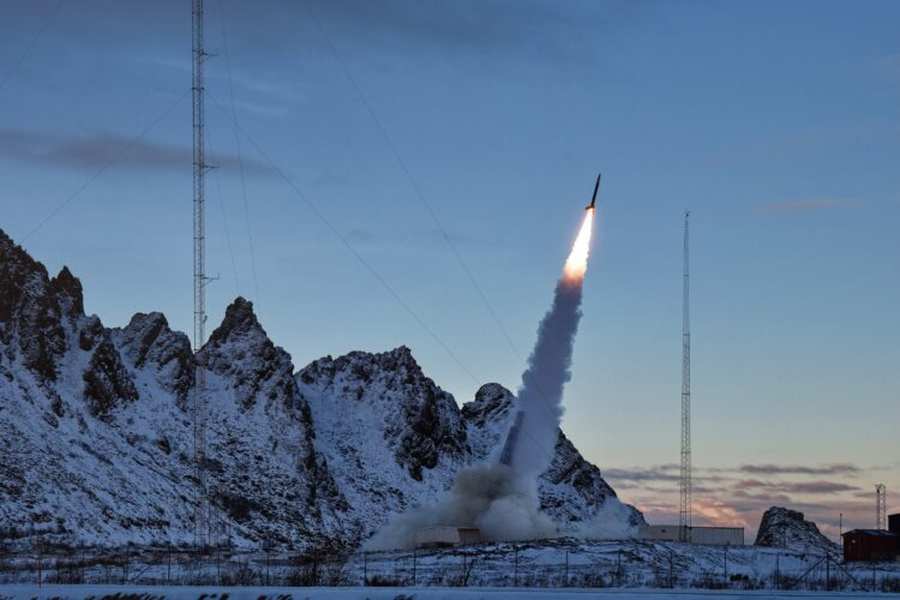
Anglo-German defense startup Hypersonica raised €100 million in Series B financing co-led by Lightspeed Venture Partners and General Catalyst. Existing investors Plural and 201 Ventures also participated. The round brings Hypersonica’s reported cumulative financing to approximately €125 million. The Financial Times also reported that the transaction values the company at around €700 million, although Hypersonica has not independently disclosed its valuation.
Founded in 2023, Hypersonica is developing missile systems capable of traveling at hypersonic speeds. The company operates from Germany with a presence in the United Kingdom. Its work is connected to growing European demand for advanced military capabilities that can be developed without complete dependence on American suppliers.
Hypersonica says it completed a prototype test in February 2026 that reached speeds above Mach 6 and traveled more than 300 kilometers. That demonstration is an important technical milestone, but it is not equivalent to having a fully qualified production missile. The company aims to develop operational systems by 2029.
What investors are financing
Hypersonica’s investment case rests on the potential to develop advanced missile systems more quickly and at lower cost than traditional defense manufacturers. Established weapons programs frequently require long development schedules and substantial government financing.
Hypersonica is attempting to shorten that process through specialized engineering and a narrower technology focus. The company is also responding to European efforts to strengthen domestic defense manufacturing capacity. However, developing hypersonic weapons presents extraordinary technical challenges.
High-speed flight creates demanding requirements involving materials, thermal protection, propulsion, control systems, and guidance. The company must show its technology can operate reliably under realistic conditions and meet military procurement requirements. Its commercial progress will also depend heavily on government purchasing decisions and the availability of manufacturing infrastructure.
Funding Details
| Field | Details |
|---|---|
| Startup | Hypersonica |
| Investors | Lightspeed Venture Partners, General Catalyst, Plural, 201 Ventures |
| Amount Raised | €100 million |
| Total Raised | Approximately €125 million |
| Funding Stage | Series B |
| Funding Date | November 2, 2026 |
| Headquarters | Feldkirchen, near Munich, Germany |
| Sector | Defense technology / hypersonic systems |
| Valuation | Approximately €700 million, reported by the Financial Times |
Gelubo Technology raises over RMB 600M to scale electric vehicle chassis systems
Chinese automotive technology company Gelubo Technology completed a Series C++ financing exceeding RMB 600 million. Participants included Zhonghuijin, Jinhua Venture Capital, Kaiyuan Sichuang, Dongzheng Capital, Guofeng Investment, and other investors. The company said its cumulative Series C financing has now exceeded RMB 1.1 billion. The RMB 1.1 billion figure includes earlier Series C financing and is not counted as a separate new round.
Founded in 2016, Gelubo develops electronic systems that control vehicle braking, steering, and suspension. These technologies are increasingly important as vehicles incorporate advanced driver-assistance systems and autonomous-driving capabilities. Electronic controls are supplementing or replacing traditional mechanical systems, allowing software to manage vehicle movement.
Gelubo manufactures products including electronic parking brakes, stability-control systems, integrated braking systems, and chassis control technology. The company has established manufacturing operations and supplies components to vehicle manufacturers. Its latest funding will support production capacity closer to major automotive manufacturing regions.
Why the financing matters
Gelubo operates in a market where reliability and integration matter as much as individual component performance. Automakers need electronic chassis systems that meet demanding safety requirements and work consistently across large production volumes. The shift toward software-controlled vehicles creates opportunities for suppliers developing integrated electronic components.
However, qualifying as an automotive supplier can involve lengthy testing, validation, and procurement processes. Once products are integrated into vehicle platforms, customer relationships may become durable, but manufacturers also face considerable pricing pressure.
Gelubo has begun pursuing additional financing for further expansion. That prospective funding is separate from the completed Series C++ and is excluded from today’s report.
Funding Details
| Field | Details |
|---|---|
| Startup | Gelubo Technology (格陆博) |
| Investors | Zhonghuijin, Jinhua Venture Capital, Kaiyuan Sichuang, Dongzheng Capital, Guofeng Investment, and others |
| Amount Raised | More than RMB 600 million |
| Total Raised | Series C financing exceeds RMB 1.1 billion; lifetime total not disclosed |
| Funding Stage | Series C++ |
| Funding Date | November 2, 2026 |
| Headquarters | Nantong, Jiangsu, China |
| Sector | Automotive electronics / intelligent chassis systems |
| Valuation | Not disclosed |
RoboScience raises several hundred million yuan to develop general-purpose robot intelligence
Chinese robotics startup RoboScience raised several hundred million yuan in Series A2 financing. Amber Capital, Hongruida Investment, and Shanghai Semiconductor Industrial Investment jointly led the round.
Other backers include Shuang Capital, 360’s strategic investment arm, Guolian Tongbao, Jinding Capital, and additional industrial investors. The company announced the financing on November 2. It did not disclose an exact amount.
Founded in December 2024, RoboScience is developing AI models designed to control physical robots. Its technology includes Visics, a general-purpose model intended to support manipulation across different robotic systems. The company is also developing RoboMirage, a simulation platform for training and evaluating robotic behavior.
RoboScience’s REX G1 robot combines its software with a wheeled humanoid-style hardware platform. The company’s broader ambition is to let robots perform complex tasks without requiring entirely separate programming for each environment.
The challenge of bringing AI into the physical world
Robots operate under constraints that conventional software systems do not face. They must interpret changing surroundings, manipulate physical objects, account for mechanical limitations, and respond safely when conditions differ from their training data.
RoboScience is working to improve models’ ability to transfer learned behavior between tasks and robotic systems. Simulation can reduce training costs, but simulated behavior must translate into real-world performance. The company has announced a partnership with Tencent Cloud involving embodied-AI services.
For investors, the commercial opportunity depends on whether RoboScience can provide useful capabilities to robot manufacturers, warehouses, retailers, and industrial operators. Investors will measure its differentiation by reliability, task completion, deployment cost, and performance outside controlled demonstrations.
Funding Details
| Field | Details |
|---|---|
| Startup | RoboScience |
| Investors | Amber Capital, Hongruida Investment, Shanghai Semiconductor Industrial Investment, Shuang Capital, 360 Strategic Investment, Guolian Tongbao, Jinding Capital |
| Amount Raised | Several hundred million yuan; exact amount not disclosed |
| Total Raised | Not disclosed on a reconciled basis |
| Funding Stage | Series A2 |
| Funding Date | November 2, 2026 |
| Headquarters | Beijing, China, with operations in Shenzhen and other cities |
| Sector | Embodied AI/robotics/simulation software |
| Valuation | Not disclosed |
Two Point O Capital raises $10M in funding to finance clean-energy infrastructure for Indian businesses
Indian clean-energy financing startup Two Point O Capital raised $10 million in a round led by Transition Venture Capital. Existing investor Omnivore participated alongside angel investors Chiranjeev Singh Saluja and Sudhir M. Reddy. The financing was first reported during the November 1–2 reporting period and has been described as a Series A.
Founded in 2024, Two Point O Capital helps commercial and industrial customers finance clean-energy and water infrastructure. Its services include rooftop solar, energy-efficiency equipment, wastewater treatment, and battery energy storage. The company combines financing with project development and operational management.
Its target customers include factories, commercial buildings, data centers, and other businesses with substantial electricity and water requirements. Many of these organizations could reduce operating expenses through infrastructure improvements but may be reluctant to make large upfront investments.
Two Point O Capital offers financing arrangements intended to reduce that initial burden.
Why the business model matters
The company’s opportunity is connected to the economics of distributed infrastructure. A manufacturer may benefit from installing solar panels, efficient cooling equipment, or wastewater recycling systems. However, project financing can be difficult when individual installations are too small or complicated for traditional infrastructure investors.
Two Point O Capital is attempting to make those projects easier to assess, finance, and operate. It uses data analysis and machine learning to support underwriting, project monitoring, and maintenance decisions. The company reports relationships with customers including Wipro, Godrej, JK Tyre, Premier Energies, and Phoenix Mills.
For investors, the opportunity is attractive only if project returns justify the financing and operating risks. Two Point O Capital must manage asset performance, customer creditworthiness, financing costs, and the complexity of operating multiple infrastructure projects. Its success will depend on disciplined capital deployment, not software adoption alone.
Funding Details
| Field | Details |
|---|---|
| Startup | Two Point O Capital |
| Investors | Transition Venture Capital, Omnivore, Chiranjeev Singh Saluja, Sudhir M. Reddy |
| Amount Raised | $10 million |
| Total Raised | Not disclosed on a fully reconciled equity-only basis |
| Funding Stage | Series A, as reported |
| Funding Date | November 1, 2026, initial reporting |
| Headquarters | Mumbai, India |
| Sector | Climate technology/infrastructure financing |
| Valuation | Not disclosed |
Yingjiexin Medical raises RMB 200M in funding to expand precision drug-delivery devices
Shanghai-based Yingjiexin Medical completed an RMB 200 million Series B led by a fund affiliated with CICC Capital. Other investors include Zhuhai Science and Technology Industry Group, Cornerstone Capital, Qiming Venture Partners, Houxin Healthcare Investors, and Yingyue Fund. Existing investor Guanghe Ventures also participated.
Yingjiexin develops and manufactures precision devices for administering pharmaceutical treatments. Its products include disposable prefilled injection pens, reusable injection pens, and automatic injection systems. These devices are used with medications including GLP-1 treatments, insulin, and growth hormone.
The company says it operates approximately 16,000 square meters of manufacturing facilities. Its existing injection-pen production capacity exceeds 150 million units annually, according to the company’s disclosure. The company plans a new facility with additional production capacity of 350 million units. The planned capacity should not be treated as production already available.
Why investors are backing drug-delivery infrastructure
The growth of injectable therapies creates opportunities beyond the pharmaceutical companies developing the drugs themselves. Manufacturers also need reliable devices that allow patients to administer treatments safely and consistently. Device production requires precision engineering, quality controls, regulatory approvals, and dependable manufacturing processes. These requirements can create substantial barriers to entry.
Yingjiexin is expanding its international registrations and production systems to serve pharmaceutical customers in multiple markets. However, increased demand for GLP-1 medications does not automatically translate into guaranteed orders for every injection-device supplier. The company’s financial performance will depend on customer contracts, manufacturing costs, product quality, and the ability to meet regulatory requirements.
For investors, the opportunity is tied to the broader pharmaceutical supply chain rather than the commercial success of any single drug.
Funding Details
| Field | Details |
|---|---|
| Startup | Yingjiexin Medical |
| Investors | CICC Capital-affiliated fund, Zhuhai Science and Technology Industry Group, Cornerstone Capital, Qiming Venture Partners, Houxin Healthcare Investors, Yingyue Fund, Guanghe Ventures |
| Amount Raised | RMB 200 million |
| Total Raised | Not disclosed |
| Funding Stage | Series B |
| Funding Date | November 2, 2026 |
| Headquarters | Shanghai, China |
| Sector | Medical devices/precision drug delivery |
| Valuation | Not disclosed |
Gallium Defense raises €7.1M in funding to develop lower-cost drone detection radar
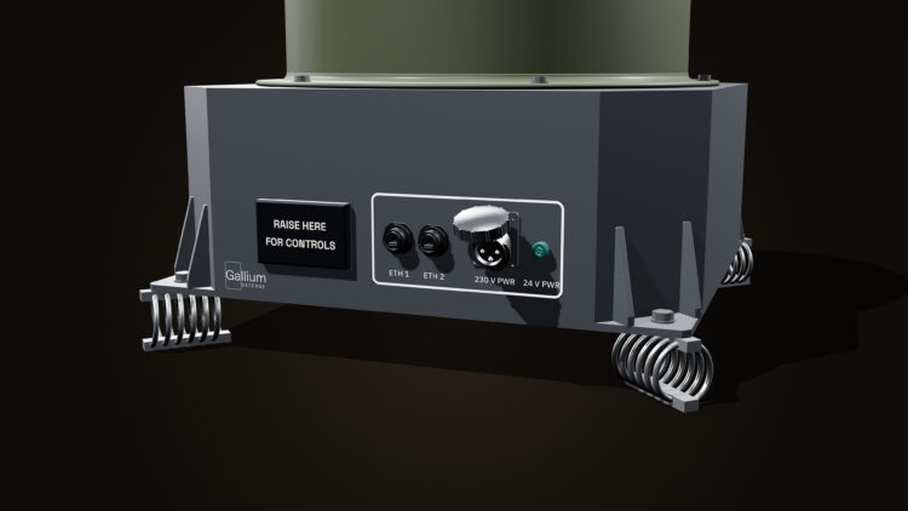
Paris-based Gallium Defense emerged from stealth with €7.1 million in seed financing co-led by Keen Venture Partners and 360 Capital. Omnes Capital and Polytechnique Ventures also participated.
Gallium Defense is developing radar technology for detecting small drones. Its first product, the GDS-10, is designed to identify drones at distances of up to 10 kilometers. The company is particularly interested in detecting small first-person-view drones that conventional surveillance systems can struggle to track.
Gallium’s engineering approach uses components originally developed for telecommunications networks. These include gallium nitride amplifiers associated with 5G communications infrastructure. The company believes that adapting commercially available technologies can reduce radar manufacturing costs.
A different approach to defense technology
Gallium is targeting a problem that has become increasingly important for military organizations: detecting large numbers of relatively inexpensive drones.
Traditional radar systems can be costly to purchase and deploy. Gallium’s proposed approach is to manufacture smaller, less expensive systems that could be deployed in larger numbers. The company is targeting an eventual selling price of approximately €500,000 for its first radar. That figure remains an estimate. Final pricing and additional testing are expected in 2027.
Gallium currently has operational prototypes undergoing outdoor testing. The company also sees potential demand from operators of industrial sites and critical infrastructure. However, its founders told Resilience Media that military customers currently represent most of the commercial interest. That is an important market signal. The technology may have civilian applications, but the company’s near-term prospects appear increasingly connected to defense procurement.
For investors, the opportunity depends on whether Gallium can demonstrate reliable detection performance while meeting its cost targets.
Funding Details
| Field | Details |
|---|---|
| Startup | Gallium Defense |
| Investors | Keen Venture Partners, 360 Capital, Omnes Capital, Polytechnique Ventures |
| Amount Raised | €7.1 million |
| Total Raised | €7.1 million in disclosed financing |
| Funding Stage | Seed |
| Funding Date | November 2, 2026 |
| Headquarters | Paris, France |
| Sector | Defense technology/radar / drone detection |
| Valuation | Not disclosed |
Yitai Intelligent announces Series A financing above RMB 200M to manufacture networking chips
Chinese semiconductor startup Yitai Intelligent announced the completion of Series A financing exceeding RMB 200 million. The latest disclosed tranche, identified as Series A3, was led by Wuxi Innovation Investment Group. Other backers included Jintou Zhiyuan and Hongshan Capital.
The company says its overall Series A financing exceeded RMB 200 million but does not separately disclose the amount raised in the latest A3 tranche. The full Series A figure should therefore not be treated as entirely new capital committed during this reporting window.
Based in Wuxi, Yitai develops high-performance networking chips for vehicles and industrial equipment. Its products enable reliable communication among electronic systems.
Modern vehicles increasingly rely on networks that connect sensors, controllers, cameras, and other computing components. As automotive systems become more sophisticated, manufacturers need chips that can move information quickly and reliably.
Yitai says its ETLX610 automotive Ethernet switch has entered production in vehicle platforms representing more than 100,000 vehicles. The company also reports industrial deployments involving electrical infrastructure, rail transportation, and aviation.
The investment opportunity
Yitai operates in a specialized market where technical performance must meet demanding reliability requirements. Automotive customers typically require lengthy qualification procedures before incorporating networking components into mass-produced vehicles. Successful integration can create recurring demand over a vehicle platform’s life. The company is also pursuing applications involving robotics and other connected industrial systems.
For investors, the opportunity is to establish a semiconductor supplier capable of serving multiple high-reliability markets. The challenge is demonstrating that Yitai’s chips can compete on cost, performance, reliability, and manufacturing availability. Because the amount of the latest A3 tranche was not disclosed separately, it cannot be included as a precise figure in today’s newly announced capital total.
Funding Details
| Field | Details |
|---|---|
| Startup | Yitai Intelligent |
| Investors | Wuxi Innovation Investment Group, Jintou Zhiyuan, Hongshan Capital |
| Amount Raised | Series A financing exceeds RMB 200 million; latest A3 tranche amount not separately disclosed |
| Total Raised | Not disclosed beyond the reported Series A amount |
| Funding Stage | Series A3, within broader Series A financing |
| Funding Date | November 2, 2026 |
| Headquarters | Wuxi, Jiangsu, China |
| Sector | Automotive semiconductors / industrial networking |
| Valuation | Not disclosed |
Junrou Technology raises nearly RMB 100M in funding to develop flexible brain-computer interfaces
Shenzhen-based Junrou Technology announced an Angel+ financing worth nearly RMB 100 million. Shunwei Capital led the round, with participation from Hillhouse Ventures, robotics company AgiBot, Nansha Qisheng, and other investors.
The company was founded in 2025 and is developing technology involving neural interfaces, flexible electronics, and advanced sensing materials. Junrou’s central technology is NeuroWorm, a flexible electrode designed to move within the brain after implantation. Conventional implanted electrodes generally remain fixed in place.
Junrou is researching whether more flexible, movable electrodes could provide access to different brain regions without repeated surgery. The company’s broader work includes electrical-signal acquisition, neural-interface algorithms, and flexible sensing materials. Some of those materials may also have applications in robotics. For example, flexible electronic sensors could help robotic hands detect pressure and physical contact.
Why the financing is strategically interesting
Brain-computer interfaces remain an early-stage technology with substantial scientific and commercial uncertainty. Junrou’s proposed approach could be significant if it improves the flexibility and performance of neural recordings or stimulation. However, the company still faces extensive research, preclinical testing, regulatory, and manufacturing requirements. A successful laboratory demonstration does not establish clinical safety or effectiveness.
The latest financing will support electrode manufacturing processes, planned production facilities, animal studies, and algorithm development. AgiBot’s involvement is noteworthy because flexible sensing technologies may have uses beyond medicine. Nevertheless, medical neural interfaces and industrial robotic sensors are separate commercial markets with different validation requirements.
For investors, the opportunity comes from the underlying materials and engineering capabilities, but the path to commercialization remains uncertain.
Funding Details
| Field | Details |
|---|---|
| Startup | Junrou Technology |
| Investors | Shunwei Capital, Hillhouse Ventures, AgiBot, Nansha Qisheng, and others |
| Amount Raised | Nearly RMB 100 million |
| Total Raised | Not disclosed on a reconciled basis |
| Funding Stage | Angel+ |
| Funding Date | November 2, 2026 |
| Headquarters | Shenzhen, Guangdong, China |
| Sector | Brain-computer interfaces / neural technology / flexible electronics |
| Valuation | Not disclosed |
What Today’s Funding Activity Reveals
1. Physical infrastructure is the strongest common investment theme
Northwood, Xinlian Power, Hypersonica, Gelubo, Yingjiexin, and Gallium Defense are developing products that interact directly with physical systems.
Their businesses depend on equipment, manufacturing processes, and specialized technical expertise. That differs from software businesses whose products can be distributed primarily through cloud infrastructure.
The implication is not that software investment is disappearing. Rather, investors appear willing to finance companies that address physical constraints software alone cannot eliminate.
2. Capital is concentrating in businesses with demanding engineering requirements
Northwood’s $375 million financing and Xinlian’s nearly RMB 2 billion round are substantially larger than the investments announced by most other selected companies.
Both are developing infrastructure with considerable technical and capital requirements.
Northwood needs manufacturing equipment, antennas, and ground stations.
Xinlian requires semiconductor manufacturing capabilities and access to industrial supply chains. These requirements make the businesses expensive to build, but they may also create barriers for new competitors.
3. Robotics investment increasingly involves foundational capabilities
RoboScience is attempting to develop models that can operate different robotic systems.
Junrou is researching flexible sensing materials that could eventually serve neural interfaces and robotic equipment.
Yitai is developing networking technology for connected electronic systems.
The companies occupy different parts of the technology supply chain, but all could contribute to more capable physical machines. However, investors should distinguish research progress from commercial adoption.
4. Defense startups are pursuing lower costs and faster development
Hypersonica and Gallium Defense illustrate two approaches to defense innovation.
Hypersonica is developing technically demanding missile systems.
Gallium is adapting telecommunications components to reduce the cost of drone-detection radar.
Both are attempting to address limitations in established defense procurement and manufacturing models. Their opportunities will depend on whether they can deliver equipment that meets military requirements at commercially attractive costs.
5. Industrial investors are supporting companies connected to existing supply chains
Xinlian’s financing includes investors associated with telecommunications, computing, energy, and manufacturing.
Gelubo is developing components for established automotive customers.
Yingjiexin is serving pharmaceutical manufacturers.
These businesses are not merely proposing new markets. They are attempting to supply components and equipment to industries with existing demand. That can improve commercial visibility, although it also creates dependence on customer purchasing decisions and qualification requirements.
6. Manufacturing scale is becoming a competitive consideration
Yingjiexin’s investment supports additional production capacity.
Gelubo is expanding its manufacturing footprint.
Northwood has opened a larger factory.
For these companies, production capacity matters because customer demand cannot be satisfied through product design alone. However, building more capacity creates financial risk when demand or production economics fall short of expectations. Investors should distinguish planned manufacturing capacity from actual output and contracted sales.
7. The day’s geographic concentration is real but limited in meaning
Six selected companies are headquartered in China.
Hypersonica and Gallium Defense represent Europe.
Northwood represents the United States, while Two Point O Capital represents India.
This concentration reflects the announcements verified within the reporting window. It does not establish that venture capital has permanently shifted toward any region. The timing of the reporting window matters because November 2 is a Monday.
8. Financing announcements require careful interpretation
Several rounds were reported using approximate language.
Xinlian disclosed nearly RMB 2 billion.
Gelubo announced more than RMB 600 million in its latest financing, while separately reporting cumulative Series C funding exceeding RMB 1.1 billion.
RoboScience disclosed several hundred million yuan but did not specify an exact figure.
Yitai reported a broader Series A total exceeding RMB 200 million but did not identify the amount of its latest A3 tranche.
These distinctions prevent a precise consolidated total. They also demonstrate why funding coverage must separate newly announced financing from historical cumulative capital.
Startup Funding Table
| Startup | Amount Raised | Sector | Funding Stage | Lead/Key Investors | Country |
|---|---|---|---|---|---|
| Northwood Space | $375M | Space infrastructure | Series C | Andreessen Horowitz, DFJ Growth | United States |
| Xinlian Power | Nearly RMB 2B | Compound semiconductors | Series C | China Mobile-affiliated fund, Inspur Information, Yuanjing Capital | China |
| Hypersonica | €100M | Defense technology | Series B | Lightspeed, General Catalyst, Plural | Germany |
| Gelubo Technology | >RMB 600M | Automotive electronics | Series C++ | Zhonghuijin, Jinhua Venture Capital, Dongzheng Capital | China |
| RoboScience | Several hundred million RMB | Robotics / embodied AI | Series A2 | Amber Capital, Hongruida Investment, Shanghai Semiconductor Industrial Investment | China |
| Yingjiexin Medical | RMB 200M | Medical devices | Series B | CICC Capital-affiliated fund, Qiming Venture Partners | China |
| Yitai Intelligent | >RMB 200M across Series A; A3 amount undisclosed | Automotive networking chips | Series A3 | Wuxi Innovation Investment Group, Jintou Zhiyuan, Hongshan Capital | China |
| Junrou Technology | Nearly RMB 100M | Brain-computer interfaces | Angel+ | Shunwei Capital, Hillhouse Ventures, AgiBot | China |
| Two Point O Capital | $10M | Climate finance / clean-energy infrastructure | Series A | Transition Venture Capital, Omnivore | India |
| Gallium Defense | €7.1M | Drone detection/radar | Seed | Keen Venture Partners, 360 Capital | France |
Funding note: Only financing announcements verified within the reporting period are included. Approximate financing amounts remain approximate, and we do not count previously completed tranches again. Yitai’s reported Series A total includes financing beyond its latest A3 tranche, whose individual amount was not disclosed. The report excludes debt facilities, government contracts, future funding plans, and unrelated financial transactions.
Strategic Takeaways for Founders and Investors
1. Infrastructure businesses need a clear economic advantage. Northwood is offering satellite operators an alternative to building their own ground stations. Its potential advantage comes from lower infrastructure costs and simpler deployment. Founders building capital-intensive platforms should demonstrate similar customer-level economic benefits.
2. Semiconductor startups must prove manufacturability. Xinlian’s opportunity depends on delivering efficient power devices at competitive costs. Yitai must produce networking chips that satisfy demanding reliability requirements. Technical specifications alone are insufficient when customers need dependable manufacturing supply.
3. Government demand can support growth, but procurement creates risk. Hypersonica and Gallium Defense serve markets influenced heavily by military requirements. Founders must understand procurement schedules, testing procedures, qualification standards, and the difference between government interest and binding orders.
4. Physical AI must work beyond controlled demonstrations. RoboScience’s technology will ultimately be evaluated through real tasks involving changing surroundings and unpredictable conditions. Investors should prioritize reliable task completion, deployment costs, and customer adoption over impressive demonstrations.
5. Industrial customer relationships can strengthen defensibility. Gelubo’s automotive manufacturing relationships and Yingjiexin’s pharmaceutical supply-chain role could create advantages that new competitors cannot reproduce quickly. However, customer concentration and pricing pressure remain important risks.
6. Regulatory and quality requirements influence medical technology economics. Yingjiexin must maintain product quality and comply with international regulations. Junrou faces substantial preclinical and clinical validation requirements. Founders should include these costs and timelines in capital planning.
7. Financing can be part of the product. Two Point O Capital is attempting to remove the upfront investment barrier facing industrial customers. Its model suggests opportunities for companies that combine technology with funding structures that make adoption economically attractive. But those businesses must manage credit and asset risks carefully.
8. Existing technologies can create new opportunities when applied differently. Gallium Defense is adapting telecommunications components for radar. The investment proposition is not based solely on inventing entirely new hardware, but on achieving useful performance at a lower cost through systems engineering.
9. Manufacturing expansion should follow evidence of demand. Northwood, Gelubo, and Yingjiexin are investing in production capacity. Investors should examine contracted demand, utilization assumptions, operating costs, and the capital required before facilities generate meaningful returns.
10. Investors should distinguish funding size from proof of commercial success. A large round can finance expensive development, but it does not establish product-market fit, profitability, or durable customer demand. Today’s investments span companies at very different stages of commercialization, and each should be assessed against milestones appropriate to its business.
Conclusion
November 2’s startup funding announcements reveal a venture market backing companies that connect advanced technology to physical systems.
Northwood Space’s $375 million financing highlights the growing importance of satellite communications infrastructure. Xinlian Power’s nearly RMB 2 billion round reflects substantial investment in advanced power semiconductors, while Hypersonica’s €100 million Series B demonstrates investor interest in European defense technology.
The remaining transactions reinforce that theme.
Gelubo is developing electric vehicle control systems. RoboScience is building AI models for physical robots. Yingjiexin is expanding medical-device manufacturing. Yitai is developing networking chips, while Junrou is researching flexible neural interfaces.
Two Point O Capital is addressing the financial barriers to clean-energy infrastructure adoption, and Gallium Defense is attempting to make drone-detection systems less expensive.
These companies operate in different markets, but their investments share an important characteristic: the ability to turn technical innovation into dependable, commercially viable products will determine whether the capital produces attractive returns. Some of today’s companies have established manufacturing operations and customers. Others remain in research, testing, or early commercialization.