DoorDash to acquire Instacart for $17 billion in massive deal to reshape grocery delivery
 Daniel Levi
Posted On October 29, 2026
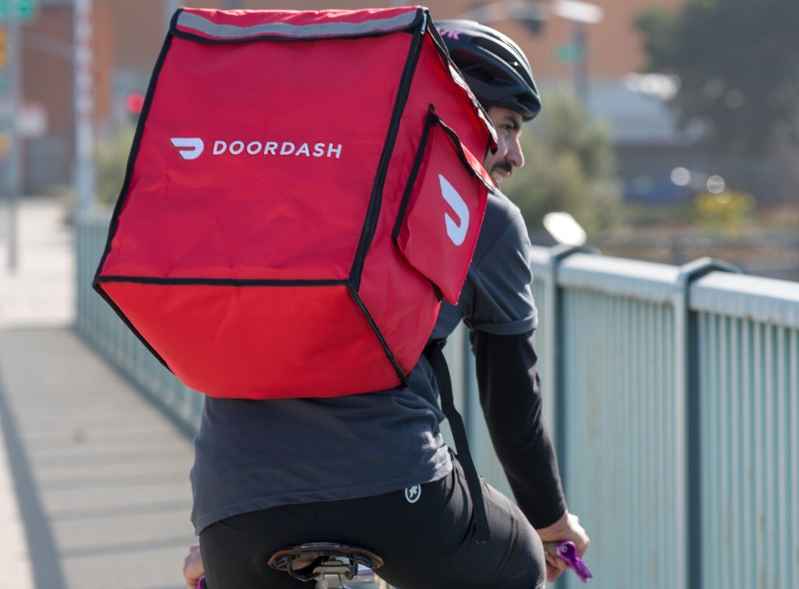
DoorDash has agreed to acquire Instacart for approximately $17 billion, bringing together two of America’s largest delivery platforms in a deal that could transform how millions of consumers order groceries, restaurant meals, and everyday essentials. The acquisition, announced Thursday, marks DoorDash’s biggest purchase yet and signals a major shift in the battle for online grocery spending.
Under the agreement, DoorDash will pay $65 per Instacart share, representing a 26% premium to the company’s October 22 closing price, before reports of acquisition talks surfaced. The transaction will consist of at least 75% cash, with the remaining consideration potentially paid in DoorDash stock. The companies expect to close the deal in late 2027 or the first half of 2028, pending shareholder and regulatory approvals.
The acquisition goes far beyond combining two delivery apps. DoorDash wants to become a bigger force in a market where Walmart, Amazon, and Uber compete for customers who increasingly expect groceries, meals, and household goods delivered directly to their doors.
For Instacart, the agreement marks another dramatic turn in its history. The grocery delivery company reached a private valuation of $39 billion in 2021, during the pandemic-driven boom in online shopping. Five years later, it is preparing to sell for less than half that amount.
Why DoorDash is betting $17 billion on Instacart

DoorDash built its business around restaurant delivery before expanding into groceries, convenience stores, pet supplies, and electronics. Instacart followed a different path, building relationships with supermarket chains and developing technology that helps consumers shop for groceries online.
Combining those operations would give DoorDash immediate access to Instacart’s established grocery network, retail technology, and advertising business, which lets consumer brands reach shoppers at the point of purchase.
The scale is significant. DoorDash completed more than 3 billion orders last year across its global operations, compared with Instacart’s 338 million orders, according to figures reported by the Associated Press.
DoorDash’s growth has already come at Instacart’s expense. Consumer Edge data cited by AP shows DoorDash’s share of U.S. delivery-platform spending climbed from 44% to 59% over five years. Instacart’s share dropped from 26% to 18% during the same period, according to AP.
The deal would give DoorDash greater reach without spending years rebuilding Instacart’s supermarket relationships from scratch.
“Grocery is one of the hardest things to get right online,” DoorDash co-founder and CEO Tony Xu said in the company’s announcement.
Reuters reported that the proposed acquisition comes amid growing pressure across the delivery industry. Slower growth following the pandemic boom, rising operating costs, and increased scrutiny of gig-worker practices have encouraged companies to seek greater scale through acquisitions.
DoorDash has already expanded through international acquisitions, including its 2025 purchase of British delivery company Deliveroo. Buying Instacart would strengthen its position in North America as Walmart and Amazon continue investing heavily in delivery infrastructure.
What the deal means for customers, shoppers, and competition
For consumers, one immediate potential benefit is a simpler subscription arrangement. DoorDash says customers paying separately for DashPass and Instacart+ could eventually access both memberships through a single fee, potentially saving subscribers a combined $100 million annually.
Instacart customers could gain access to more than 50,000 additional stores through DoorDash’s network. The Instacart brand and app are expected to remain.
The companies say Instacart’s approximately 600,000 independent shoppers would retain their flexibility and gain opportunities to fulfill DoorDash orders. Existing shopping arrangements will remain unchanged before the acquisition closes.
Yet the proposed combination raises a larger question: What happens when two of the biggest delivery platforms become one?
Fewer independent competitors could eventually give the combined company greater influence over delivery fees, merchant relationships, and the economics of gig work. Whether consumers and retailers see lasting savings will depend on how DoorDash manages the combined businesses.
Regulatory scrutiny could become a major obstacle. Reuters reported that New York City’s consumer and worker protection agency criticized the proposed merger amid concerns about growing concentration in the delivery sector.
The timing makes the transaction particularly striking. DoorDash and Instacart explored a potential combination in 2021, when Instacart’s valuation was reportedly between $40 billion and $50 billion. Those talks never produced a deal.
Now, with Instacart valued at $17 billion, DoorDash has another opportunity to bring the two businesses together.
If regulators approve the acquisition, the resulting company could become a more formidable challenger to Walmart, Amazon, and Uber in the race to deliver nearly everything consumers buy.
The bigger story is no longer about who delivers dinner fastest. It is about who controls the relationship between customers, retailers, and the delivery networks connecting them.