SpaceX secures $40 billion in debt financing to buy AI chips as Musk warns of neocloud collapse
 Daniel Levi
Posted On October 26, 2026
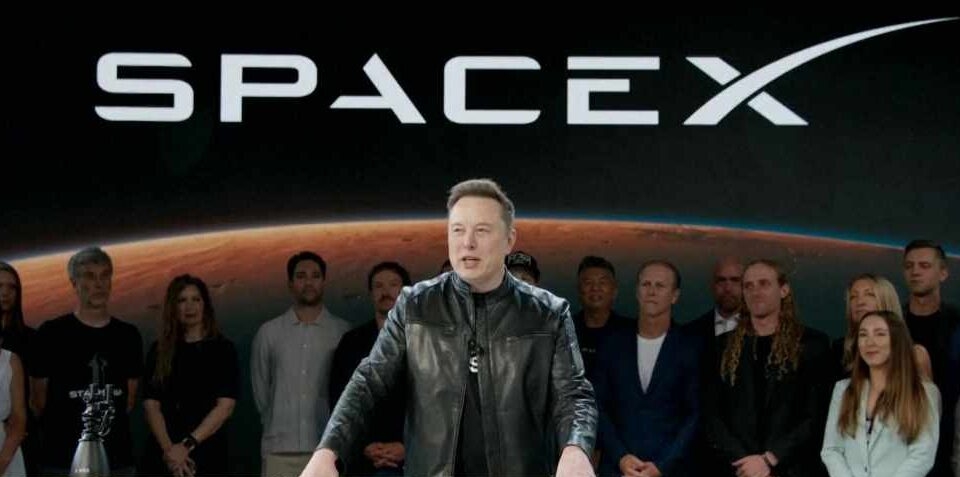
Elon Musk said SpaceX has secured $40 billion in debt financing to buy Nvidia AI chips, marking one of the largest financing deals tied to the AI boom. The announcement comes as borrowing conditions tighten for AI infrastructure companies, raising questions about how long the industry’s debt-fueled spending spree can continue.
In a post on X on Sunday, Musk said SpaceX closed the financing, citing the company’s investment-grade credit status and revenue from its Starlink satellite internet and rocket-launch businesses.
“SpaceX closed $40B of debt for GPUs, but we’re investment grade and have Starlink & launch revenue,” Musk wrote.
Pretty much.
As of the past few weeks, debt markets have almost entirely shut off access to money for any company that doesn’t have substantial revenue independent of AI data centers.
SpaceX closed $40B of debt for GPUs, but we’re investment grade and have Starlink & launch revenue.
That means the 200+ neoclouds are going to see guppy-level death and consolidation. Some will make it through, but not many.
— Elon Musk (@elonmusk) October 25, 2026
The announcement comes just two days after Bloomberg reported that SpaceX’s proposed $40 billion financing package hit snags amid turmoil in credit markets. Rising borrowing costs had complicated negotiations with investors, raising uncertainty over whether the transaction could be completed on favorable terms.
In a follow-up post, Musk said the financing primarily consists of callable debt for graphics processing units (GPUs) scheduled for delivery during the first two quarters of 2027.
“This is primarily callable debt for GPU purchases that will arrive in Q1 and Q2. Not a major factor this quarter,” Musk wrote.
The financing represents another major commitment by SpaceX to artificial intelligence, a business that is becoming increasingly central to the company’s growth.
SpaceX’s $40 billion AI chip deal highlights the rising cost of artificial intelligence
According to Bloomberg, the financing was structured around a special purpose vehicle intended to keep the borrowing off SpaceX’s balance sheet and protect its investment-grade credit ratings.
Goldman Sachs had been leading discussions with potential investors, including Apollo Global Management, over the proposed arrangement. The structure would finance purchases of Nvidia GPUs used to train and operate increasingly sophisticated AI systems.
Musk’s announcement indicates that SpaceX has secured the financing, though the company has not publicly disclosed final borrowing costs or the full terms of the transaction.
The deal’s scale reflects a growing financial challenge across the AI industry. Building the infrastructure needed to train advanced models requires enormous investments in chips, networking equipment, electricity, cooling systems, and data centers.
For SpaceX, the investment comes as its artificial intelligence business is becoming a major revenue contributor.
The company has pushed deeper into AI through its business segment called “Super Intelligence,” or SI. The segment generated $7.56 billion in third-quarter revenue, up from $813 million a year earlier, making it SpaceX’s largest business unit, according to CNBC.
The growth gives SpaceX a significant presence in the AI market, but it comes with enormous spending commitments. The company expects capital expenditures of $35 billion to $40 billion in the fourth quarter of 2026, Reuters reports.
For lenders, the distinction between SpaceX and many smaller AI infrastructure companies may come down to where their revenue originates.
SpaceX can point to established businesses outside AI, including Starlink and commercial launches. Many newer AI cloud providers depend heavily on demand for rented computing capacity, making them more exposed to changes in financing conditions.
Musk warns more than 200 AI neocloud companies face failures and consolidation
Musk paired the financing announcement with a warning about the future of neocloud companies, specialized cloud providers that rent GPU computing capacity to AI developers and businesses.
“As of the past few weeks, debt markets have almost entirely shut off access to money for any company that doesn’t have substantial revenue independent of AI data centers,” Musk wrote on X.
He predicted that more than 200 neocloud companies could face widespread failures and consolidation, with relatively few surviving the industry’s next phase.
The warning comes amid growing investor scrutiny of AI infrastructure spending. Companies such as CoreWeave and Nebius have built businesses around providing computing capacity for AI workloads, a market that requires substantial upfront investment before customers generate returns.
The concern is that companies borrowing heavily to purchase GPUs could struggle if financing costs rise, customer demand falls short of expectations, or computing prices decline faster than anticipated.
Musk’s prediction is far from certain. Demand for AI computing remains substantial, and providers with long-term contracts, strong customers, and access to capital may be better positioned to withstand a difficult credit environment.
Still, his comments highlight a widening divide between companies that can finance AI infrastructure through established revenue streams and those relying heavily on external financing.
That distinction may determine which companies survive the next stage of the AI boom.
SpaceX’s $40 billion financing deal illustrates both sides of the equation: the extraordinary amount of money still flowing into AI infrastructure and the increasingly difficult conditions facing companies seeking a share.
The AI race is no longer just about who can build the most advanced models or acquire the most GPUs. It is becoming a test of who can afford to keep building as lenders demand stronger financial foundations.