Instacart reportedly in talks to sell itself to Uber or DoorDash in potential $17 billion deal
 Daniel Levi
Posted On October 23, 2026

Instacart, the grocery delivery company that became a household name during the pandemic, is reportedly exploring a sale that could value the business at up to $17 billion and end its 14-year run as an independent company. Uber and DoorDash, two of the biggest names in food delivery, have emerged as potential buyers.
The San Francisco-based company has hired an investment bank to evaluate its options and has held preliminary discussions with both companies, according to a Friday report from The Information.
“Instacart is in talks to sell itself in a transaction that would cap the grocery delivery app’s 14-year run as a standalone company. Currently valued at $12 billion, Instacart has been working with an investment bank to weigh its options and held at least preliminary conversations with DoorDash and Uber,” The Information reported, citing people familiar with the matter.
Instacart, currently valued at roughly $12 billion, could fetch between $16 billion and $17 billion based on a typical acquisition premium of 30% to 40%. That figure is an estimate, not a confirmed offer. Discussions remain preliminary, and there is no guarantee a deal will materialize.
The report sent Instacart shares soaring. The stock closed Friday up roughly 9%, as investors reacted to the possibility of a takeover. Uber shares fell nearly 3%, and DoorDash declined more than 4%, Reuters reported.
The potential sale comes as delivery companies race to capture a larger share of the grocery market, long dominated by traditional supermarkets and increasingly contested by Amazon, Walmart, and other technology giants.
For Uber or DoorDash, acquiring Instacart would offer immediate access to its established grocery marketplace, retailer partnerships, advertising business, and customer relationships. For Instacart, a sale could provide an exit after years of slower growth and mounting competition.
Why Uber and DoorDash are interested in Instacart
The possible acquisition reflects a broader consolidation trend across the delivery industry.
Just over a year ago, DoorDash completed its approximately $3.9 billion acquisition of British food delivery company Deliveroo, extending its international reach. The transaction followed its earlier acquisition of Finnish delivery platform Wolt in 2022.
Uber has pursued its own acquisition strategy, striking deals involving Delivery Hero and corporate catering platform ezCater.
Instacart would bring something different to either company: deep relationships with grocery chains and a mature online grocery ordering platform.
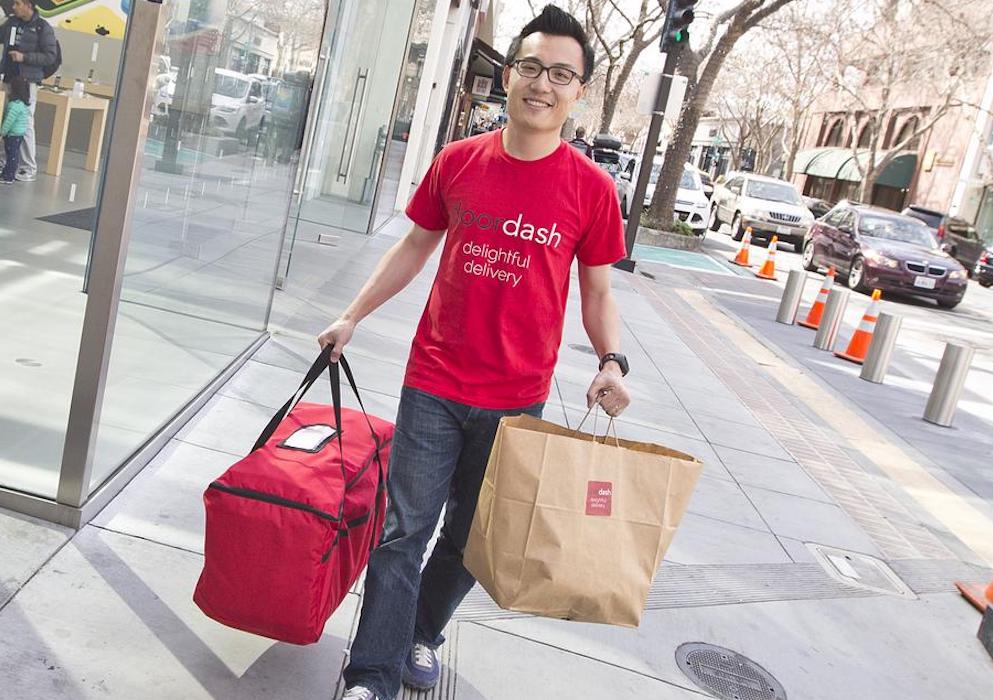
DoorDash
The two potential buyers are no strangers to Instacart. Uber already has a partnership that lets Instacart customers order restaurant meals through Uber Eats. DoorDash previously explored acquiring Instacart in 2021, when the grocery delivery company was valued at an estimated $40 billion to $50 billion. Those discussions collapsed, partly over regulatory concerns.
Regulatory scrutiny remains a significant obstacle. Both Uber and DoorDash already compete in grocery delivery, meaning a merger with Instacart could raise concerns about reduced competition, retailer bargaining power, and consumer choice.
Instacart’s path to a potential sale has been anything but straightforward.
Founded in 2012 by Apoorva Mehta, Brandon Leonardo, and Max Mullen, Instacart grew from a grocery delivery startup into one of Silicon Valley’s most recognizable consumer technology companies.
Its business surged during the pandemic, helping push its private valuation to $39 billion in 2021. By the time it went public in September 2023, that valuation had fallen sharply as pandemic-era demand normalized and competition intensified.
In February 2024, TechStartups covered Instacart’s decision to lay off 250 employees, roughly 7% of its workforce, as the company shifted resources toward higher-priority initiatives.
The business has since shown signs of improvement. Second-quarter 2026 revenue increased 14% year over year to $1 billion, with free cash flow reaching $480 million, according to figures cited by The Information.
Those numbers suggest Instacart is not being forced into a sale by an immediate financial crisis. Instead, the bigger question is whether the company can create more value independently than it could as part of a larger delivery platform.
For now, Instacart remains independent. Neither Uber nor DoorDash has announced a formal bid.
But if a deal emerges, it could reshape grocery delivery in North America and mark another major step in consolidating an industry once crowded with startups competing for customers, couriers, and market share.
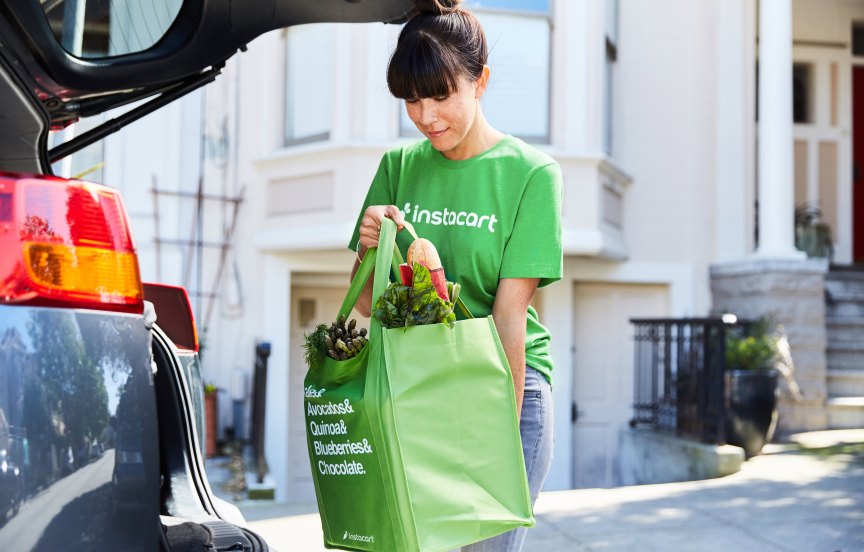
Instacart