Apple’s first foldable iPhone Duo hits stores at $2,000 as strong demand outstrips supply
 Daniel Levi
Posted On October 23, 2026
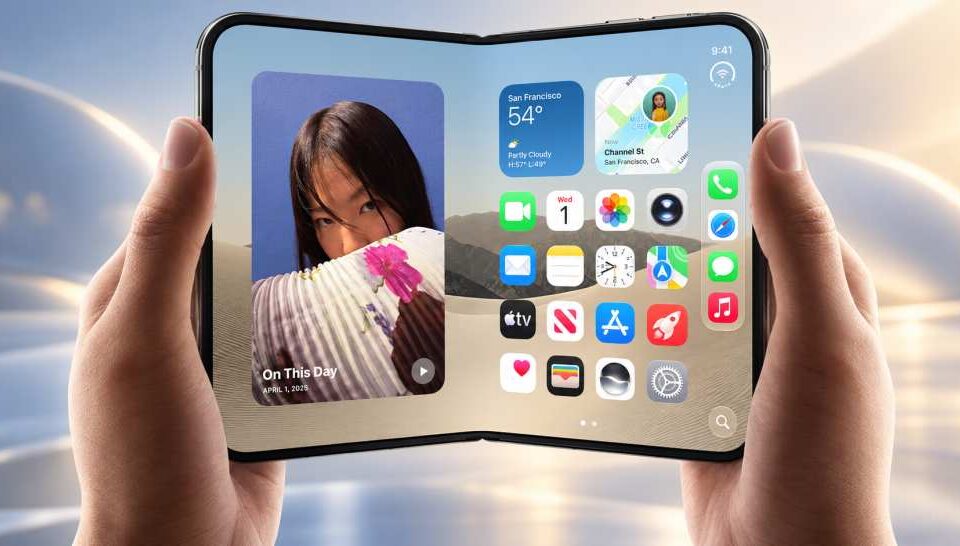
Apple’s first foldable iPhone has officially arrived, but getting your hands on one could prove harder than paying its $2,000 price tag. The iPhone Duo went on sale worldwide Friday, October 23, marking Apple’s long-awaited entry into the foldable smartphone market. Strong pre-orders have already pushed delivery estimates into January 2027, leaving many customers facing months-long waits for the company’s most ambitious iPhone redesign in years.
The launch puts Apple in direct competition with Samsung and Huawei, two companies that have spent years selling foldable smartphones. Apple is betting that its brand loyalty, hardware design, and tightly integrated software can turn a niche product category into a mainstream business.
Early signs suggest customers are interested. According to Reuters, estimated delivery dates slipped to late January within minutes of pre-orders opening last Friday. Apple described the response as “nothing short of extraordinary.”
Yet Friday’s launch looked different from the massive crowds that once defined new iPhone releases. Fans gathered outside Apple stores in Sydney, Shanghai, London, and Berlin, but limited inventory meant much of the activity centered on customers collecting devices they had already ordered.
Apple restricted purchases to two phones per customer. Walk-in availability remained limited across the United States, Australia, Canada, and parts of Europe. In China, France, Hong Kong, India, and Japan, customers needed to pre-order online to collect a device.
The shortage has created opportunities for resellers. In Hong Kong, one buyer told Reuters he planned to resell his iPhone Duo for roughly HK$4,000 in profit after securing it during the online pre-sale.
For some customers, the price is simply part of the appeal. In Sydney, engineer Simon Krishnan paid A$3,899 for a 512GB model.
“This is a bit of a luxury item for me, because it’s so expensive, but I just think, you know what? Life’s too short,” he told Reuters.
Apple’s $2,000 foldable iPhone impresses reviewers, but questions remain
The iPhone Duo introduces a passport-shaped design that opens into a tablet-like display, giving users a larger screen without carrying a separate device. Early reviewers have praised its construction, particularly the sturdy hinge and nearly invisible screen crease, a persistent weakness in competing foldable phones.
But Apple’s first attempt comes with trade-offs.
The Duo lacks a telephoto camera and facial identification, features buyers might expect from a device costing nearly twice as much as a conventional flagship smartphone. Some third-party applications still need work to take full advantage of its folding display.
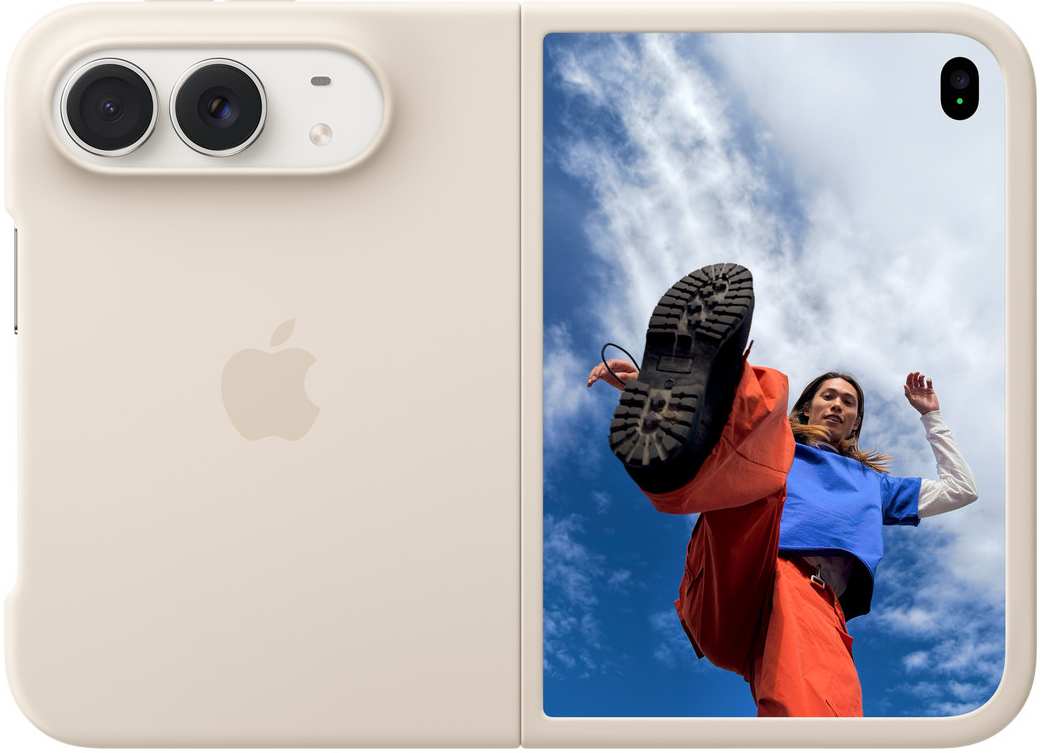
iPhone Duo (Image credit: Apple)
Reviewers have questioned whether the larger screen justifies the compromises, particularly for people who spend most of their time texting, browsing, and checking social media.
Longtime Apple commentator John Gruber described the Duo as an impressively refined device that still felt closer to a prototype than a finished everyday smartphone.
Tech reviewer Marques Brownlee reached a similar conclusion, suggesting the phone makes more sense for enthusiasts willing to accept the learning curve and premium price than for typical iPhone users.
That tension sits at the center of Apple’s foldable ambitions. The company has delivered a striking piece of hardware, but convincing consumers that folding their phone adds enough value to justify $2,000 remains a different challenge.
Apple could dominate the foldable phone market by 2027
The iPhone Duo’s arrival marks an early leadership test for Apple CEO John Ternus, who took charge in September after serving as the company’s hardware chief.
Ternus inherits a smartphone business facing intense competition and growing pressure to find new growth sources. The Duo gives Apple an opportunity to introduce a new premium product category, potentially encouraging existing iPhone customers to spend more on their next upgrade.
Market researcher IDC expects Apple to capture 44% of global foldable smartphone market revenue and 31% of unit shipments in 2026. By 2027, the research firm forecasts Apple will lead the category in both revenue and shipments.
Those projections suggest Apple’s entry could reshape a market that Samsung and Huawei helped establish but have struggled to bring fully into the mainstream.
“Foldables have been an established category for years, but adoption has remained relatively limited compared with conventional smartphones. Apple’s entry could bring the format to a much broader audience,” Francisco Jeronimo, vice president at IDC, told Reuters.
Still, strong pre-orders tell only part of the story. Limited inventory can make demand appear unusually intense, and Apple’s long-term success will depend on repeat purchases, customer satisfaction, and whether the company can make foldable phones more accessible.
For now, Apple has achieved something it hasn’t done in years: given consumers a fundamentally different kind of iPhone to consider.
The bigger question is whether the iPhone Duo becomes the next major smartphone category or remains an expensive novelty for Apple’s most enthusiastic customers.
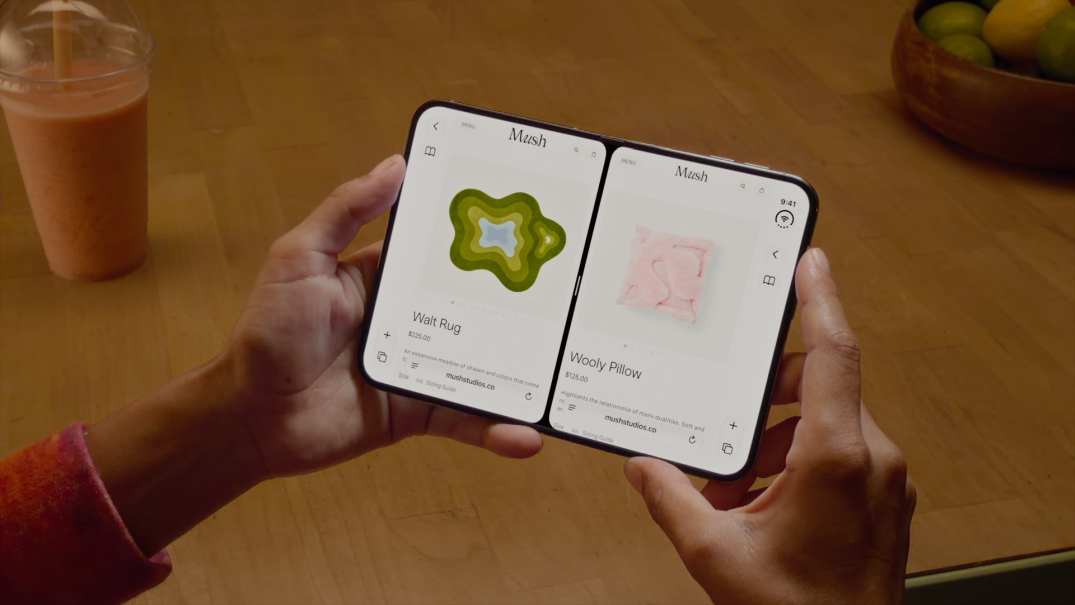
iPhone Duo (Image credit: Apple)