Otter.ai raises $320 million in non-equity financing from General Catalyst to take On Microsoft, Google, and Zoom in enterprise AI
 Daniel Levi
Posted On October 21, 2026
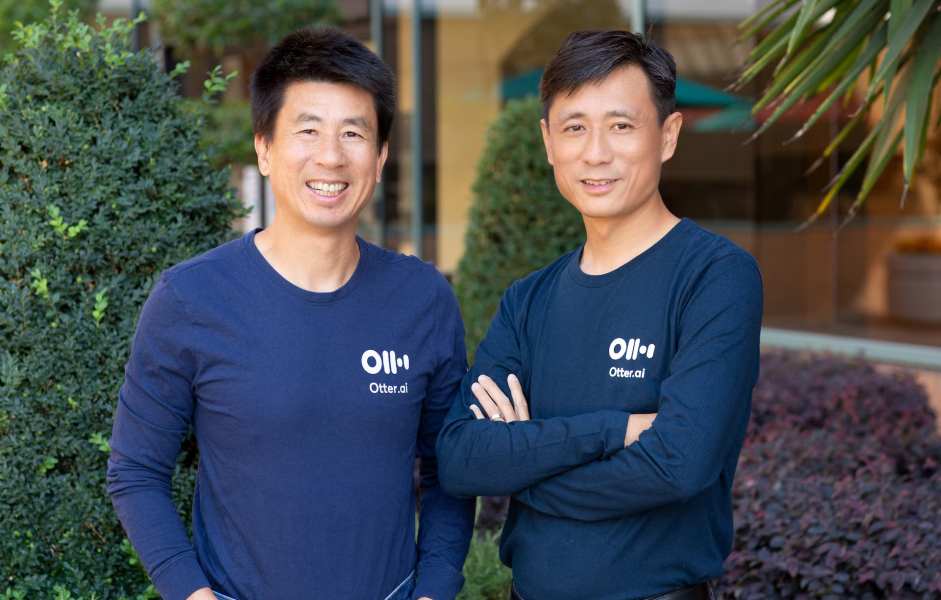
Otter.ai has secured $320 million in non-equity financing from venture capital firm General Catalyst, giving the AI meeting assistant startup fresh capital to challenge Microsoft, Google, and Zoom in the increasingly crowded enterprise AI market. The deal comes with an unusual twist: Otter gets the money without surrendering ownership, but it must pay it back with interest.
The Mountain View, California-based company announced the financing on October 20, 2026, through General Catalyst’s Customer Value Fund (CVF). The capital will fund international expansion, sales and marketing, and new AI products to move Otter beyond its original role as a meeting transcription tool.
Unlike a traditional venture capital round, General Catalyst isn’t buying a stake in Otter. Instead, the financing is structured around future business growth, with repayments tied to revenue generated through customer acquisition investments.
“This financing from General Catalyst is a powerful vote of confidence in what we’re building at Otter, and we’re excited for the next phase of growth it will drive,” said Sam Liang, Otter.ai CEO. “This will fuel our next chapter, enabling us to build enterprise agentic workflows that bring more advanced, intelligent AI to teams everywhere and push toward a future where voice becomes the backbone of enterprise productivity.”
For General Catalyst, the transaction represents another bet on financing established startups through their customer acquisition economics rather than traditional equity investments.
The timing is significant. Otter has grown from a transcription app into a platform that records meetings, identifies speakers, generates summaries, and makes conversations searchable. Its next ambition is to transform those conversations into business intelligence and automated tasks.
The company says more than 40 million people have used its products, up from 25 million a year earlier. It reports usage among employees at more than 86% of Fortune 500 companies and claims its technology has transcribed over one billion meetings. Those figures reflect its reach, though they don’t reveal how many customers actively pay for the service.
Otter surpassed $100 million in annual recurring revenue in 2025. It hasn’t disclosed its latest ARR, monthly active users, or customer retention figures.
Otter’s $320 Million Bet Goes Beyond AI Meeting Notes
Otter’s biggest challenge may have little to do with transcription accuracy. Microsoft, Google, and Zoom already offer AI meeting features through productivity platforms used by millions of businesses.
That creates an uncomfortable question for independent AI notetakers: Why should companies pay for another subscription when similar capabilities are available inside software they already use?
Otter’s answer is to become something bigger than a meeting assistant.
The startup wants to turn conversations into a searchable source of company knowledge, connecting decisions, customer discussions, and follow-up activities across different workplace applications.
Rather than simply producing meeting summaries, its AI agents could eventually retrieve information from past conversations, prepare employees for upcoming discussions, and complete tasks tied to previous meetings.
The company faces competition beyond Big Tech. Specialized AI meeting startups, including Fireflies.ai, Granola, and Read AI, are pursuing similar opportunities, making differentiation increasingly difficult.
Liang told Reuters that Otter intends to double or triple its sales and marketing budget and aims to at least double enterprise revenue over the next year. The company plans to grow its sales team and increase its international presence, building on existing markets that include the United States, Canada, Britain, and India.
The stakes extend beyond Otter’s growth ambitions.
As AI meeting features become standard across workplace software, companies selling standalone assistants face mounting pressure to prove they can deliver value that bundled products cannot.
Otter’s $320 million financing gives it considerable resources to make that case. Yet the money comes with repayment obligations, and its larger competitors already control much of the software infrastructure where businesses conduct their meetings.
The real test isn’t whether Otter can transcribe another billion meetings. It’s whether businesses will pay Otter to turn those conversations into work that actually gets done.
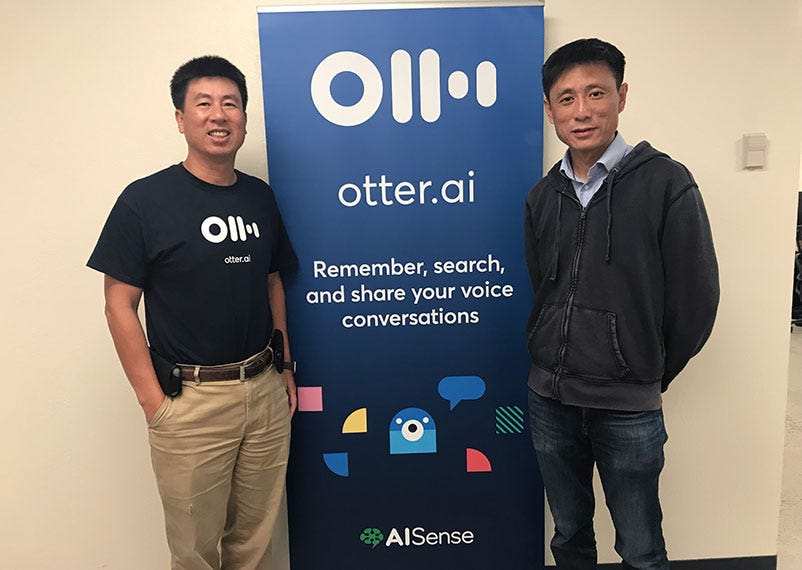
Otter AI founders