Azoma raises $11.2M to help brands get discovered and recommended by AI shopping agents
 Daniel Levi
Posted On October 21, 2026
The next battle for online shopping may not happen on Google or Amazon. It could happen inside AI chatbots, where consumers ask what to buy and increasingly trust the recommendations they receive. Azoma, a startup helping major consumer brands compete for those recommendations, has raised $11.2 million in Series A funding to capitalize on that shift.
The round was led by Puma Growth Partners, with participation from dunnhumby, Twin Path, MaRS IAF, Rank Ventures, Ignite Ventures, and angel investors from Google DeepMind and Legora.
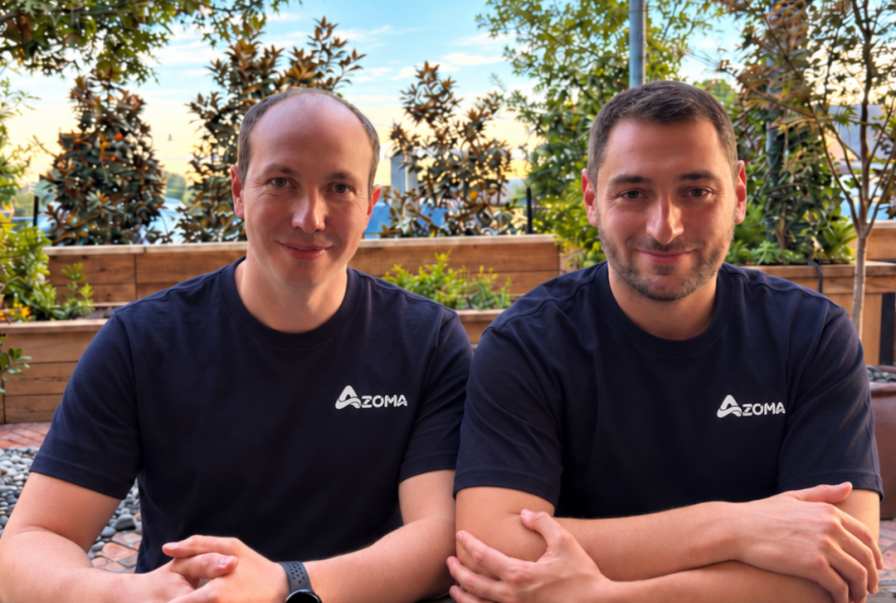
Founded in 2022 by former Amazon executive Max Sinclair and machine learning researcher Timur Luguev, Azoma operates from Toronto and London. Its customers include L’Oréal, Unilever, Mars, Beiersdorf, and Reckitt, companies whose products compete for consumers’ attention across thousands of online and physical retail shelves.
The startup is betting that those shelves are changing. Instead of scrolling through pages of search results, shoppers can now ask ChatGPT to recommend a shampoo, turn to Gemini for skincare advice, or use Amazon’s Alexa for Shopping to find household products.
For brands, that creates a new problem. A product can rank well on Google, perform strongly on Amazon, and still be missing from an AI assistant’s recommendations.
Azoma wants to fix that.
Its platform tracks how products appear across AI search engines and shopping assistants, identifies gaps in product information, and helps brands improve their chances of being recommended. The company calls this approach Agentic Commerce Optimization, or ACO.
Unlike traditional search engine optimization, which focuses on getting websites to rank in search results, Azoma focuses on what happens when AI systems become the first stop for product discovery.
The company says its revenue has grown nearly tenfold over the past year, and its headcount has climbed from 12 to 40 employees. The latest financing follows a $4 million seed round announced in December 2025.
Why AI shopping is becoming the next battleground for consumer brands
The challenge facing brands goes beyond getting their products mentioned by ChatGPT or Gemini. Different AI systems rely on different sources to decide which products deserve attention.
In a recent analysis of 38 million citations across AI search engines and shopping assistants, Azoma found striking differences in how these platforms gather information.
Editorial coverage accounted for 51.9% of Google Gemini’s citations, compared with just 7.6% for Google AI Overviews. Affiliate content represented 39.6% of citations from Alexa for Shopping, yet less than 2% across the other engines studied.
Those findings suggest that a strategy that works for one AI assistant could fail on another. They come from Azoma’s own platform data, so the results should not be treated as a comprehensive picture of all AI shopping activity.
Azoma’s technology goes beyond tracking mentions. Its Digital Twin system simulates different shopper personas to help brands see how AI assistants might respond to customers with distinct preferences and purchasing habits.
The startup is developing attribution tools intended to connect AI visibility with actual sales, an increasingly important question for consumer brands deciding where to spend their marketing budgets.
The new funding will support further product development, recruitment, and expansion across emerging AI personal assistants. Azoma plans to deepen its work with dunnhumby data to help customers assess the commercial impact of AI recommendations.
“Agent-to-agent commerce has arrived faster than anyone expected. For our customers, this will be more transformational than the internet,” Sinclair said.
The opportunity is potentially enormous. McKinsey estimates that agentic commerce could account for as much as $5 trillion in global commerce by 2030, including up to $1 trillion in U.S. retail revenue.
Those projections remain uncertain. Consumers may embrace AI recommendations without handing over complete control of purchasing decisions. Brands still need to determine whether better visibility inside AI assistants translates into meaningful sales growth.
That uncertainty is part of what makes Azoma’s business interesting.
For years, consumer brands spent heavily to appear at the top of search results and secure prominent placement on retail websites. AI shopping introduces another gatekeeper, one that can narrow a long list of competing products into a handful of recommendations.
Azoma is betting that brands will pay to influence their chances of making that shortlist.
The bigger question is whether AI assistants will become the new storefronts of e-commerce, and who gets to decide which products appear on their shelves.

Azoma Founders