Reliable Robotics raises $115M in new funding, tops $1B valuation as autonomous aviation takes off
 Nickie Louise
Posted On October 20, 2026
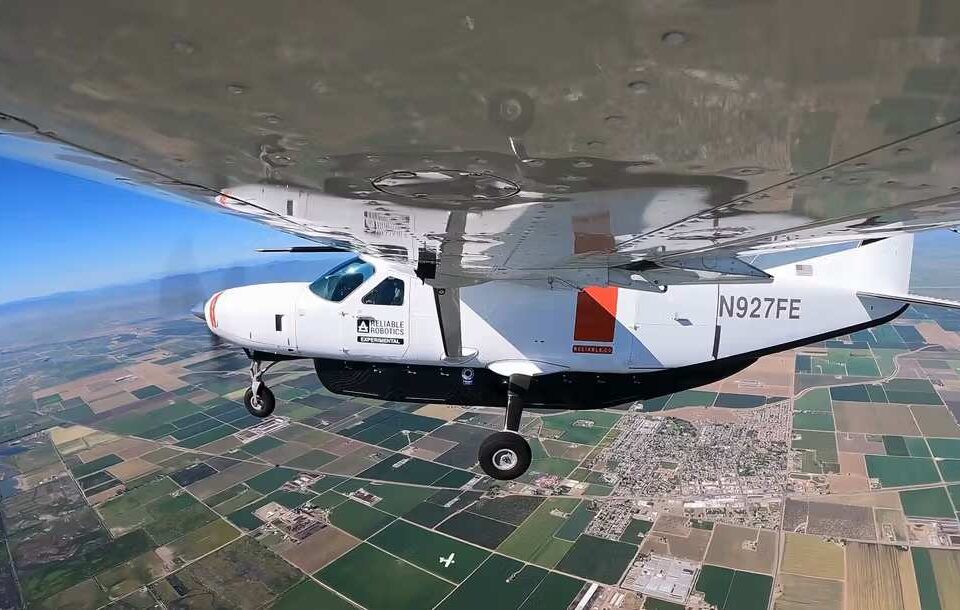
Reliable Robotics has raised $115 million in fresh capital, pushing its valuation past $1 billion as the Silicon Valley startup races to bring autonomous aircraft into commercial aviation. The new financing extends its previously announced $160 million Series D to $275 million, giving the company more financial backing to pursue federal certification for technology that could one day allow aircraft to fly without pilots in the cockpit.
The Mountain View, California-based startup announced the funding Tuesday, October 20, marking a major milestone in its nearly decade-long effort to automate aviation. The investment includes $90 million in equity financing and a $25 million term loan from Silicon Valley Bank. Reliable has now raised more than $380 million in equity capital.
Returning investor Nimble Partners led the financing, joined by new backers Gideon Capital, RockCreek, Geek Ventures, Gold Hill Capital, and Sparkwave Capital. Island Green Partners participated again, and Allen & Company supported the fundraising.
The fresh capital will help Reliable expand its aircraft fleet, increase production capacity, and hire more engineers, Reliable Robotics said in a statement. The company is opening offices in Seattle and San Diego, bringing its growing workforce of more than 250 employees closer to key aviation and engineering talent pools.
Reliable Robotics isn’t trying to build an entirely new aircraft. Its bigger bet is that existing planes can be retrofitted with autonomous flight systems, potentially reducing operating costs and addressing some of aviation’s most persistent safety challenges.
Founded by former SpaceX engineers Robert Rose and Juerg Frefel, Reliable is developing technology intended to automate an aircraft’s entire flight, from taxiing and takeoff to navigation and landing.
From self-flying aircraft to FAA certification
At the center of Reliable’s strategy is its Reliable Autonomy System (RAS), which combines automated flight controls, advanced navigation, and flight planning. The technology is being developed for the Cessna 208B Grand Caravan, a widely used aircraft for regional cargo transportation.
The system is intended to address aviation hazards such as loss of control and controlled flight into terrain, two major causes of aircraft accidents. Reliable is developing its own radar technology to detect potential collisions with other aircraft and obstacles.
Getting the technology into commercial service is another matter.
Unlike autonomous vehicles operating on roads, aircraft must satisfy strict federal safety requirements before carrying out routine commercial flights. Reliable is working with the Federal Aviation Administration (FAA) to certify its automated flight systems, a process that demands extensive testing and documentation.
According to TechCrunch, CEO Robert Rose expects the company’s first certification, covering continuous autopilot operation with a pilot aboard, within 18 to 24 months. Removing the pilot from the cockpit is expected to take at least three years. Those timelines remain company estimates, not regulatory approvals.
Reliable has secured contracts with multiple branches of the U.S. military, giving its technology potential applications in defense logistics and other missions.
The company was selected for the FAA’s Advanced Air Mobility Integration Pilot Program, which supports testing of new aviation technologies. Its participation includes plans for autonomous cargo operations serving smaller and rural communities in New Mexico and Colorado.
The U.S. Department of Transportation confirmed Reliable’s selection in June, highlighting the potential for autonomous regional aircraft to improve cargo access in underserved areas.
The startup’s billion-dollar valuation reflects investor confidence in an aviation market that has long struggled with high operating costs, pilot shortages in certain segments, and the expense of serving smaller destinations.
Yet the biggest hurdle remains certification, not funding. Reliable must demonstrate that its systems can operate safely and consistently under demanding real-world conditions before widespread commercial deployment becomes possible.
For now, the company’s newest $115 million investment buys it more aircraft, more engineers, and more time to prove that the future of autonomous aviation can begin with planes already flying today.
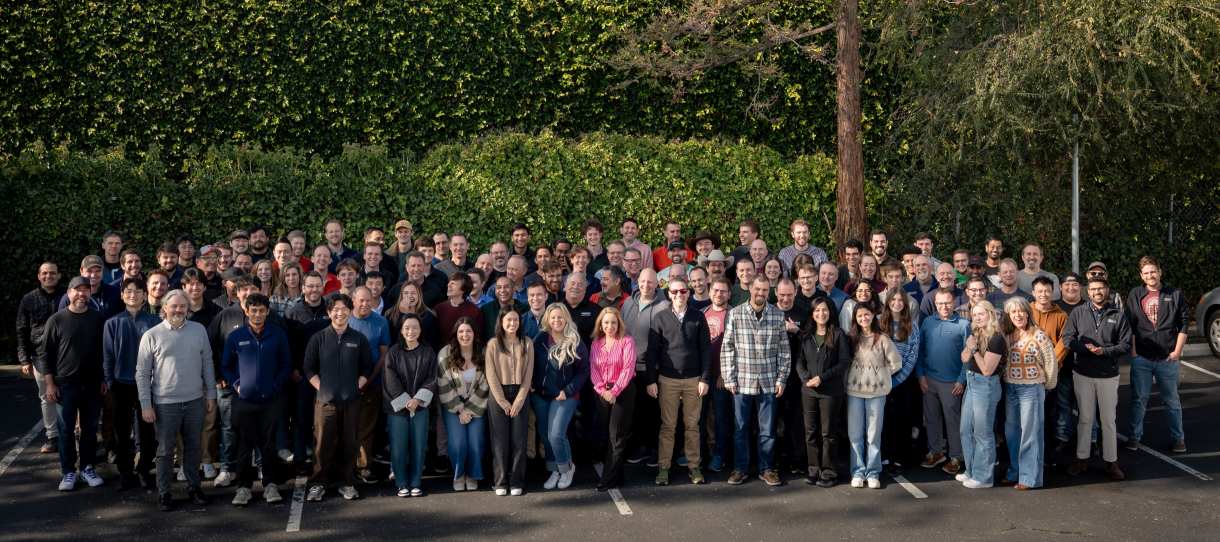
Reliable Robotics Team