Qualcomm to begin global layoffs as CEO pushes performance overhaul, internal memo shows
 Daniel Levi
Posted On October 20, 2026
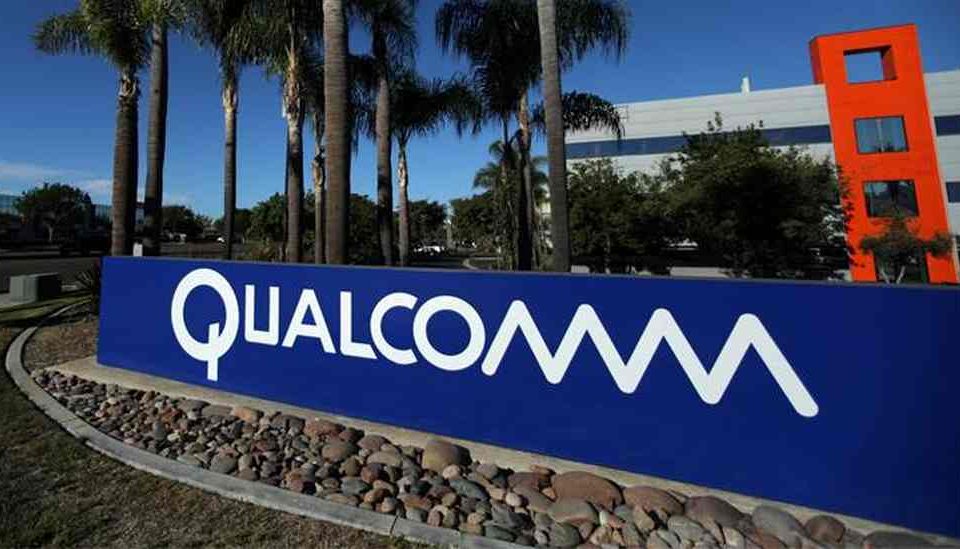
Qualcomm is preparing to lay off employees worldwide starting in November as CEO Cristiano Amon moves to tighten performance standards across the chipmaker. The planned job cuts, disclosed in an internal memo reviewed by Reuters, come as the company faces slowing smartphone demand, rising costs, and mounting pressure to deliver growth beyond its traditional mobile chip business.
In the memo sent to employees Monday, Amon described the upcoming layoffs as a “performance-focused reduction” following the company’s annual employee reviews. He said the cuts are intended to create “a stronger performance culture” and address areas where Qualcomm “has consistently fallen short of expectations.”
“Qualcomm will cut jobs globally in a ‘performance-focused reduction’ following its annual employee reviews,” Reuters reported, citing an internal memo CEO Cristiano Amon sent to staff on Monday.
The company has not disclosed how many employees will lose their jobs or which regions and departments will be most affected. Qualcomm employed approximately 52,000 people worldwide as of September 2025, making the planned reductions a potentially significant development for its global workforce.
According to Reuters, affected employees will begin receiving notifications in November. Qualcomm did not immediately respond to the news agency’s request for comment.
The announcement comes at a difficult moment for one of the world’s largest smartphone chip suppliers. Qualcomm has spent years building its business around mobile processors and wireless technology, but weakening consumer electronics demand is putting pressure on its core market.
Soaring memory prices have made smartphones and other electronic devices more expensive, weighing on demand in key markets. At the same time, Qualcomm is facing a faster-than-expected decline in revenue from Apple, which has been developing more of its own modem technology.
The pressure is showing up in the stock market.
Qualcomm shares have gained just 1.5% in 2026, significantly trailing the S&P 500’s advance of more than 12% and the Philadelphia Semiconductor Index’s nearly 60% surge. The company’s stock slipped about 1% in premarket trading Tuesday.
That performance gap reflects a growing divide in the semiconductor industry. Companies benefiting directly from the AI infrastructure boom have attracted significant investor interest, but chipmakers tied to consumer devices face a tougher sales environment.
Qualcomm’s layoffs come amid a bigger shift beyond smartphones
The planned layoffs arrive as Qualcomm attempts one of the biggest business transitions in its history.
In July, the company forecast quarterly profit below Wall Street expectations and warned that revenue from Apple products would decline faster than previously anticipated.
Qualcomm is betting that AI data centers, automotive technology, and other businesses can compensate for those losses. The company expects most of its chip sales to come from markets outside smartphones in fiscal 2027.
At its June investor day, Qualcomm outlined plans to generate more than $15 billion in annual data center revenue by fiscal 2029, part of a broader goal of reaching $40 billion in revenue from non-handset businesses.
The strategy presents a new challenge for Qualcomm’s workforce. Expanding into AI infrastructure and other computing markets requires different technical skills and business priorities from those that supported its smartphone business.
Amon acknowledged that shift in the internal memo.
“As we have expanded the business, so have the competencies and skills we require,” he wrote. “We must have the right people in the right roles so they can perform at their best and the company can continue to succeed.”
According to the memo, Qualcomm will consider business priorities, organizational requirements, employee skills, and expertise when determining which positions to eliminate.
The company has not indicated whether the layoffs will be accompanied by additional hiring in AI, data centers, or other growth areas.
For employees, the immediate concern is whether their jobs will survive the upcoming review process. For Qualcomm, the bigger question is whether restructuring its workforce can help close the gap between its slowing smartphone business and its ambitious plans for AI infrastructure.
The November cuts will offer an early indication of how aggressively Amon intends to reshape the company as it prepares for its next growth phase.