XRlabs raises $8.4M in seed funding to bring AI surgical co-pilots to operating rooms
 Daniel Levi
Posted On October 19, 2026
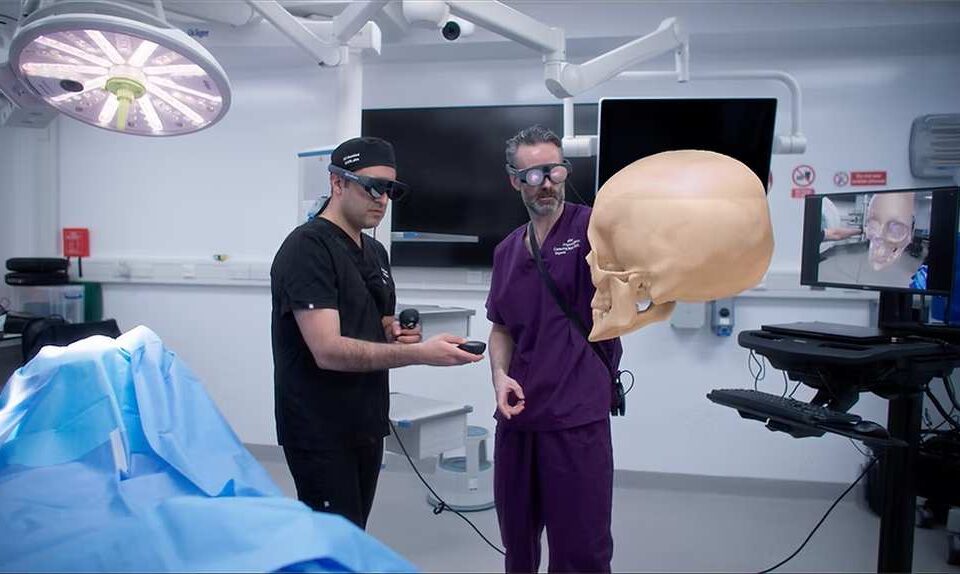
London-based startup XRlabs wants to give surgeons something they’ve never had before: an AI co-pilot that can interpret what’s happening inside the operating room as surgery unfolds. Today, XRlabs announced it has raised $8.4 million in seed funding to advance that vision, betting that artificial intelligence can help surgical teams make better use of the vast amounts of data generated during medical procedures.
The round was led by Playground Global, with participation from Eka Ventures. The funding will support the development and clinical deployment of XRlabs’ AI-powered surgical platform, which works with existing hospital equipment rather than requiring hospitals to purchase entirely new systems.
Founded by practicing neurosurgeon Dr. Ali Haddad, XRlabs is headquartered in London, with offices in Palo Alto, California. The startup is developing software that uses computer vision and deep learning to analyze live surgical video, helping medical teams see anatomical structures, interpret operating conditions, and access relevant information during procedures.
The idea is straightforward: modern operating rooms generate enormous amounts of information, yet much of it remains scattered across cameras, imaging systems, and surgical navigation equipment. XRlabs wants to bring those data streams together and make them useful in real time.
Its platform combines live surgical footage with navigation data and preoperative CT and MRI scans, giving surgical teams a consolidated, anatomy-aware view of an operation. The software can work with 4K 3D surgical scopes and existing navigation systems, potentially reducing the need for hospitals to replace expensive equipment.
According to the company, its technology has been used in more than 100 surgical cases across three continents.
“Our conviction is that the operating room is the next frontier for physical AI,” said Dr. Haddad, CEO of XRlabs. “Surgery generates extraordinary data, yet almost none of it becomes intelligence in the moments that matter most. This financing lets us change that at scale, moving Surgical Intelligence from landmark first cases to foundational infrastructure in every operating room.”
From experimental neurosurgery to AI-assisted operating rooms
XRlabs has already participated in several unusual medical technology projects.
The company reports completing a first-in-human application of physical AI in cranial neurosurgery under research conditions, integrating its software with the ORBEYE 4K 3D exoscope.
Its technology contributed to an AI-designed, patient-specific implant used during the successful separation of craniopagus twins, a procedure involving children born with their skulls joined together. The project was conducted in partnership with UK charity Gemini Untwined and documented by BBC News.
XRlabs has since been named a global NVIDIA partner in robotics, working with NVIDIA Jetson Thor and NVIDIA Isaac for Healthcare technologies to develop real-time surgical perception, instrument tracking, and automation capabilities.
Its XRlabs SIM technology received recognition in TIME’s Best Inventions of 2025.
The company is now turning its attention to clinical expansion and regulatory approvals in the United Kingdom, Europe, and the United States. It has secured access to computing resources through the UK government’s AI Research Resource, which will support further model development and testing.
XRlabs is bringing in experienced healthcare leadership to help guide that expansion. Former Medtronic chairman and CEO Omar Ishrak has joined as chair of its board of directors. Ishrak previously chaired Intel and currently serves on the boards of Amgen and Cleveland Clinic.
His appointment gives the young startup a connection to the medical device industry at a time when hospital adoption, clinical evidence, and regulatory clearance may matter as much as the underlying AI.
The bigger question is whether XRlabs can demonstrate that its software improves surgical decision-making and patient outcomes across different procedures and hospital environments. More than 100 surgical cases provide early experience, but they do not establish broad clinical effectiveness.
For now, XRlabs is pursuing a different approach to surgical AI: instead of building another surgical robot, it wants to make the equipment already inside operating rooms more intelligent.
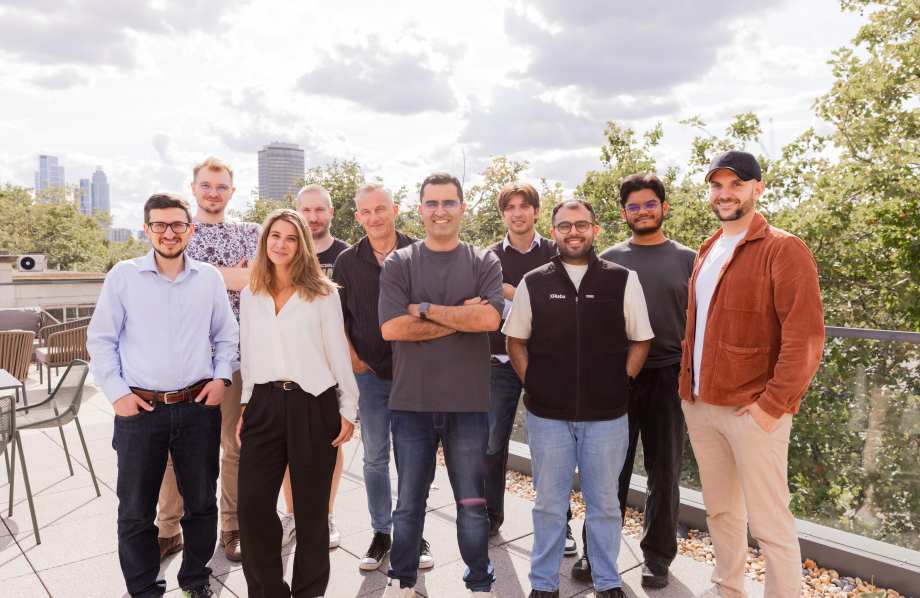
XRlabs Team