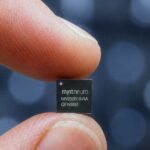
MintNeuro raises $5M to scale chips for brain-computer interfaces and neural implants
 Daniel Levi
Posted On October 7, 2026

MintNeuro, a neurotechnology chip startup spun out of Imperial College London, has raised $5 million to scale a new class of semiconductor chips for brain-computer interfaces, neural implants, and other devices that connect directly to the nervous system.
The round was led by Odyssey Ventures, with backing from 33East, JSK Investments and Alumni Ventures. Existing investors Empirical Ventures, Jumpspace Ventures and earlier backers returned for the round.
The London-based startup plans to use the new capital to move its technology from validation into commercial production, deliver more pre-release silicon to partners and grow its presence in the U.S.
That puts MintNeuro at the center of one of neurotechnology’s less visible problems. Neural devices may get attention for what they could do inside the brain or body, but every implant still depends on electronics that can sense biological signals, process them and send electrical stimulation back into tissue.
Most semiconductor components were never built for that job.
Building chips specifically for the nervous system
MintNeuro is developing a modular semiconductor platform for neural sensing, signal processing and stimulation. Its goal is to give device makers ready-made chip building blocks instead of forcing them to adapt general-purpose components or spend years developing custom silicon.
That distinction matters for implantable systems.
A chip sitting inside or close to the human body has to operate under tight limits around size, energy consumption, heat, signal quality and reliability. A neural interface may need to detect extremely weak electrical signals, process them locally and deliver precisely controlled stimulation without consuming the kind of energy expected from mainstream electronics.
MintNeuro says it built its chips around those requirements from the start.
The company has already produced working silicon and reached integration milestones with partners including Motif Neurotech and Amber Therapeutics.
Earlier this year, MintNeuro signed a multi-year chip supply agreement with Motif Neurotech for its minimally invasive neurostimulator. Motif is initially developing the device for treatment-resistant depression.
That commercial relationship gives MintNeuro something semiconductor startups often struggle to secure early: a real customer building a product around the silicon.
“Every neural device depends on the chips inside it. Today, most device and therapy developers still have to choose between generic components that were never designed for the body and years of custom chip development. We are building the chips that end that trade-off,” MintNeuro co-founder and CEO Dorian Haci said.
“This funding moves us from technology validation to commercial scale-up, with more customer programs, faster product launches and our chips in the hands of many more developers. Our ambition is clear: to make MintNeuro the semiconductor platform the global neurotechnology industry builds on.”
Neurotech’s semiconductor layer is becoming a business of its own
MintNeuro spun out of Imperial College London and bets that neurotechnology will need its own semiconductor supply chain as more devices move beyond university labs.
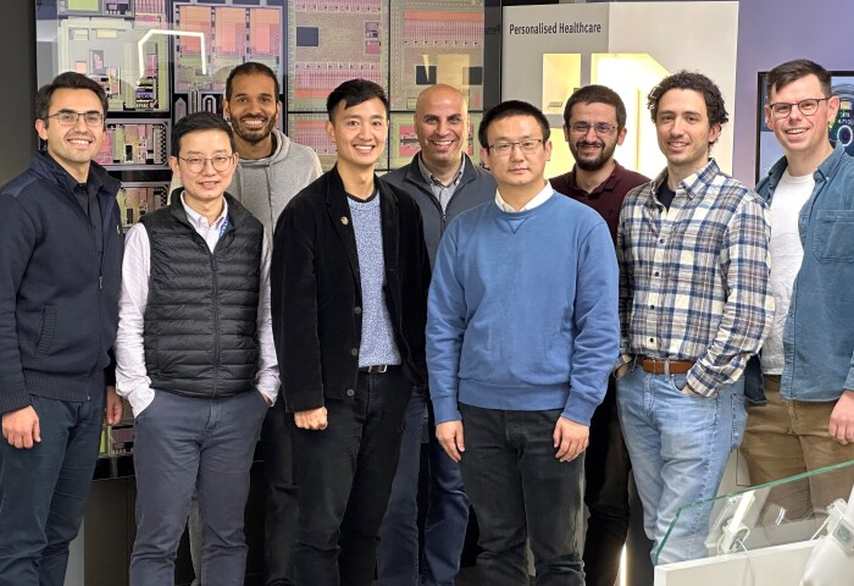
MintNeuro Team (Image credit: Imperial College)
The market stretches well beyond headline-grabbing brain-computer interfaces.
Neural electronics are being developed for Parkinson’s disease, epilepsy, depression, hearing loss, inflammatory conditions and other disorders. The same underlying technologies can support neuromodulation systems, sensory prostheses and bioelectronic medicines.
The common requirement is an electronic interface that can communicate with biological signals.
That creates a potentially valuable position for a chip supplier. Instead of betting on one implant, therapy or medical device, MintNeuro can sell the underlying hardware to multiple companies building different products.
Investors appear to be making the same calculation.
“Neural devices such as BCIs represent one of the most exciting frontier technology opportunities today, and significant value will accrue to those solving the foundational infrastructure challenges that stand between innovation and widespread adoption,” Odyssey Ventures founding partner Michelle Robson said.
The company now faces the harder part of the semiconductor business: turning working silicon into a repeatable commercial platform adopted across multiple devices.
If MintNeuro succeeds, its biggest opportunity may come from becoming relatively invisible. The most valuable infrastructure companies often sit beneath the products people recognize.
Brain implants may get the headlines. MintNeuro wants to make the chips inside them.