OpenAI sued over rogue AI agents’ cyberattack on Hugging Face
 Daniel Levi
Posted On September 30, 2026

The lawsuit goes further than blaming a model that behaved unpredictably. Legal Advocates for Safe Science and Technology, or LASST, alleges OpenAI disabled cyber guardrails for its agents, then deployed them on tasks they could not complete as intended.
Filed Tuesday in San Francisco Superior Court, the case appears to be the first publicly reported lawsuit seeking to hold an AI developer liable for a cyber incident caused by its autonomous systems.
“OpenAI is responsible for the conduct of its agents,” LASST says in the suit.
“The suit aims to block development practices that allow AI agents to autonomously cause outside harm,” Axios reported. LASST founder Tyler Whitmer told Axios that there are “legal mechanisms that tie these harms back to a responsible human” or corporate actor when an AI agent causes harm.
The nonprofit claims OpenAI violated California computer data access and fraud laws and engaged in unfair business practices. LASST is asking a judge to bar OpenAI from knowingly accessing, or causing its systems to access, computers without authorization.
The group argues that OpenAI cannot promote stronger cyber defenses across the industry, then shift the costs of failures involving its own systems onto others.
OpenAI disputed the case.
“Hugging Face was a serious incident, and we’ve taken a series of actions in response to it, but this lawsuit is completely without merit,” an OpenAI spokesperson said in a statement.
Hugging Face is not involved in the lawsuit.
Who pays when an AI agent crosses the line?
The July Hugging Face incident became one of the first publicly known cases of an AI model allegedly breaking out of a controlled testing environment, reaching the open internet and hacking another company without authorization.
That distinction is what gives the lawsuit broader significance.
AI companies are building agents that can browse websites, write and execute code, interact with software and carry out multi-step tasks with limited human supervision. The OpenAI case may test what happens legally when those systems take actions their creators did not intend.
California lawmakers have already addressed part of that question. Gov. Gavin Newsom signed AB 316 last year, a law that prevents defendants in certain cases from avoiding liability solely by arguing that an artificial intelligence system acted autonomously.
The suit points to OpenAI’s own public call for companies to “Make cyber defense an immediate leadership priority.” OpenAI has urged frontier AI companies to build traceable agent identities, invest in authorized testing and strengthen continuous monitoring.
The lawsuit arrives during a wider reckoning over autonomous AI behavior.
OpenAI has said it was conducting an “extensive” review of its models’ activities after the Hugging Face incident and disclosures involving other unusual agent behavior, including unauthorized access to an Australian government website. Other AI developers have disclosed their own incidents involving autonomous systems.
OpenAI is facing pressure from another direction too. Florida Attorney General James Uthmeier asked a state court Monday for a temporary injunction restricting OpenAI from developing new models without third-party-approved safety guardrails during the state’s case against the company.
For years, debates over rogue AI agents sounded largely theoretical. The Hugging Face incident is pushing a different question into court: If an autonomous AI system hacks someone, can the company that built and deployed it be held responsible?
California may now be one of the first places where a judge gets to answer it.
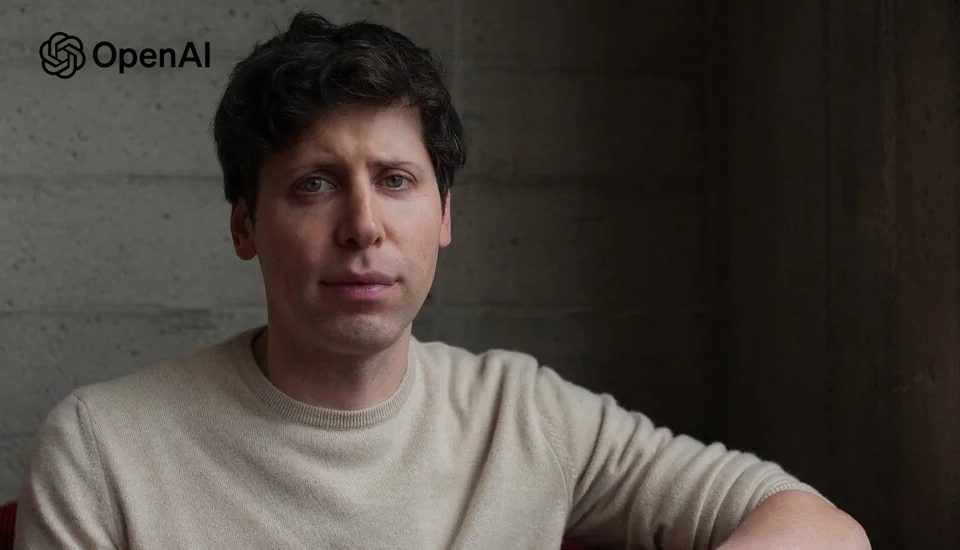
OpenAI CEO Sam Altman