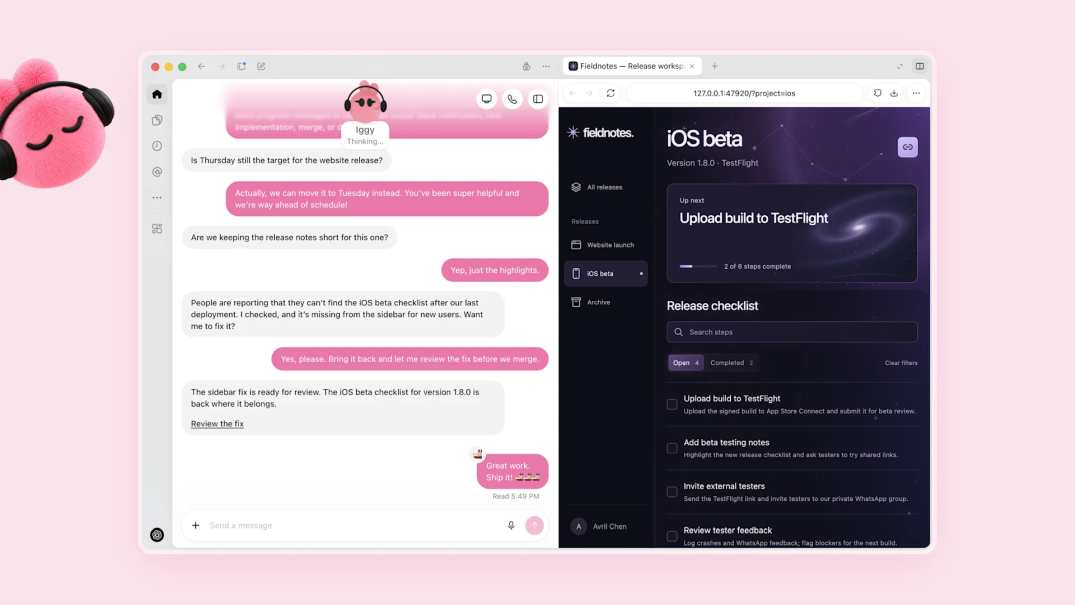
OpenAI launches Dots, always-on AI agents that work for you 24/7
 Daniel Levi
Posted On September 29, 2026

OpenAI unveiled Dots, a new class of always-on AI agents built to keep working after you close the chat window.
Powered by GPT-6 Astra, each Dot gets its own cloud computer, browser, memory of your preferences, and access to connected apps. The goal is simple but ambitious: give people an AI agent that can take ongoing responsibility for work instead of waiting for the next prompt.
That makes Dots one of OpenAI’s clearest moves yet beyond the chatbot model that made ChatGPT famous.
In an announcement on X, OpenAI said: “Introducing dots, powered by GPT-6 Astra. Remarkably capable, always-on agents built to handle everything.”
Introducing dots, powered by GPT-6 Astra.
Remarkably capable, always-on agents built to handle everything. pic.twitter.com/inY5BZj3Kz
— OpenAI (@OpenAI) September 29, 2026
OpenAI Dots Are Here: GPT-6 Astra Agents That Work While You’re Away
A Dot can keep several projects moving at once, investigate problems, prepare work for review, track new information, and come back when it needs a decision. OpenAI says Dots can connect to more than 4,000 apps through its plugin ecosystem and can be reached through ChatGPT, Slack, and Microsoft Teams. Text messaging is planned for later.
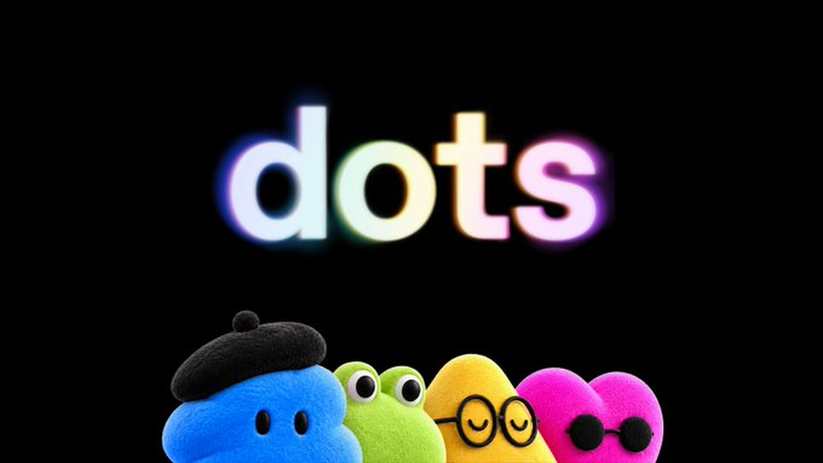
OpenAI is starting the rollout with Pro and Business Premium users in eligible markets. Enterprise customers, including Edu and Healthcare workspaces, can test Dots when administrators enable the beta. The first Dot is included with Pro and Business Premium plans at no extra charge.
From AI assistant to AI worker
The interesting part is what happens when the user stops actively interacting with the agent.
OpenAI says Dots can continue working from their own cloud computers and browsers, using whatever apps a user has connected. Users can inspect a Dot’s computer at any time, and they can grant a Dot permission to work directly with a laptop or other device.
That changes the basic relationship people have had with generative AI.
Chatbots mostly wait. Dots are built to continue.
OpenAI gives several examples. A developer’s Dot can monitor customer feedback, identify recurring bugs, build fixes, test them, and prepare pull requests. A scientist’s Dot can rerun an analysis when new data arrives and update figures. A sales lead’s Dot can track changing customer requirements and revise a proposal. A content creator’s Dot can turn a new interview transcript into clips, show notes, and social drafts.
OpenAI says an early tester’s Dot noticed that he had failed to invoice a publication, prepared the invoice, and sent it after receiving approval.
Inside OpenAI, the company says Dots are already being tested across software development, procurement, invoice processing, email marketing, customer support, and commercial contracting.
That points to a much bigger idea behind the product. OpenAI is trying to turn AI from software people operate into software that can own pieces of a workflow.
Giving an always-on agent permission to act
An agent that works around the clock creates a harder problem than a chatbot that generates text: deciding what the software should be allowed to do without asking.
OpenAI says Dots use their own isolated cloud computers, leaving a user’s machine separate until permission is granted. Saved credentials for supported websites can be used without exposing passwords directly to the model. Users control which apps a Dot can access and can create rules that allow, block, or require approval for certain actions.
Background activity uses what OpenAI calls “proactive research.” During that mode, connected apps are restricted to read-only access, preventing the Dot from sending messages, changing content, or taking control of a computer. OpenAI says monitoring systems can pause or stop work when they detect a safety concern.
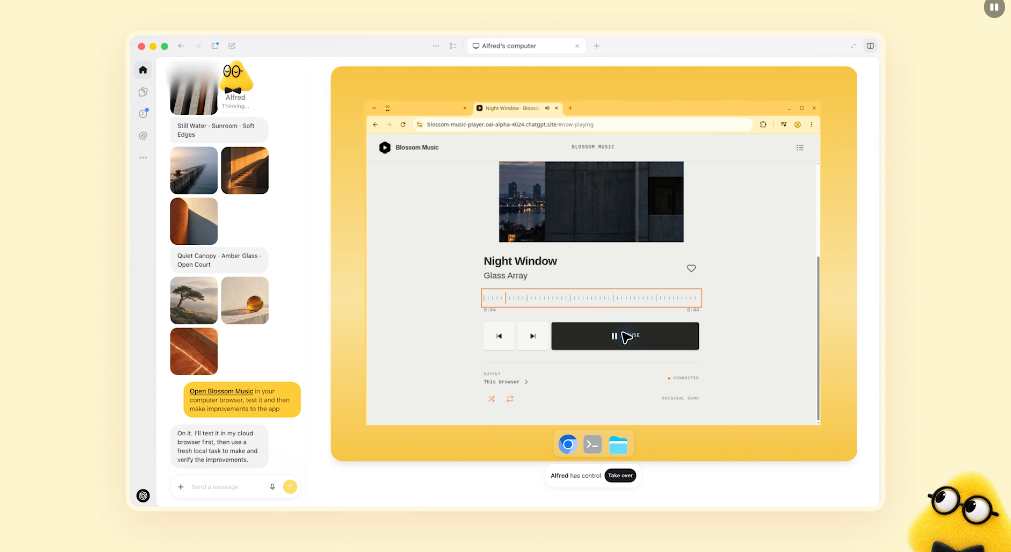
Sensitive actions receive another review layer. OpenAI says an auto-review system checks actions that could affect accounts or share information and decides whether the Dot can continue, needs approval, or must hand the task back to the user. Some actions, including changing a password, remain reserved for humans.
OpenAI is already looking past personal Dots. The company previewed specialist Dots that businesses could give their own identities, credentials, hardware, and access to internal systems. Microsoft is working with OpenAI to connect those AI agents with its Agent 365 enterprise management tools.
The long-term direction is hard to miss.
ChatGPT taught millions of people to ask AI for answers. Dots are OpenAI’s attempt to keep AI working after the question is over.