Anthropic loses Pentagon blacklist appeal as battle over AI military guardrails escalates
 Daniel Levi
Posted On September 25, 2026
Daniel Levi
Posted On September 25, 2026
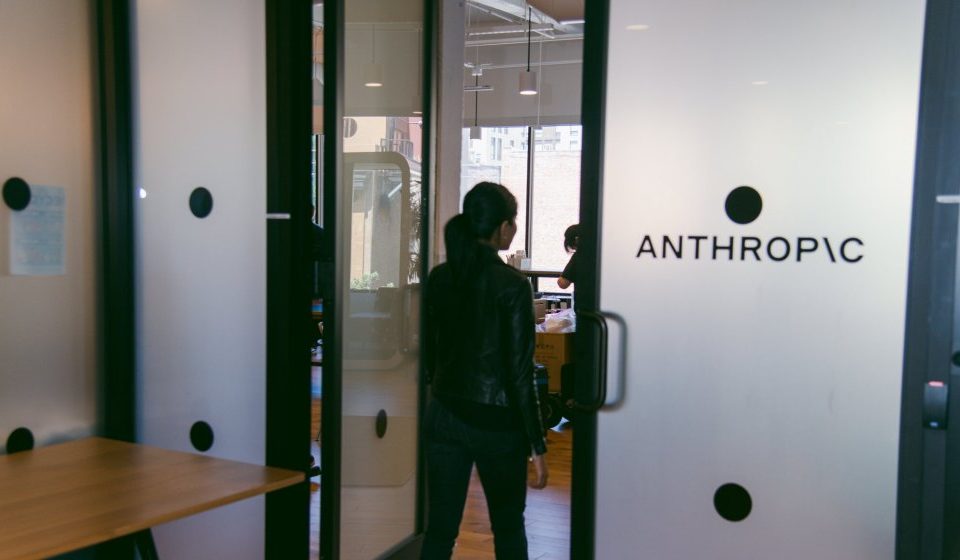
Anthropic has lost a major round in its escalating fight with the Pentagon after a US appeals court on Friday allowed the Defense Department to keep the Claude maker on a national security blacklist, extending a remarkable clash over how far the military should be allowed to go with frontier AI.
The ruling leaves Anthropic designated a national security supply-chain risk, restricting its role in military contracts and reversing momentum the AI startup gained in August when a federal judge ruled the Pentagon’s action “illegal and baseless.”
“A US appeals court on Friday upheld the Pentagon’s decision to blacklist Anthropic from military contracts, affirming the AI lab’s designation as a national security supply-chain risk and extending a months-long standoff over military access to its frontier models,” Reuters reported.
At the center of the fight is a question that could shape far more than Anthropic’s government business: Who gets the final say on how the US military uses commercial AI models?
The Pentagon has pushed AI companies to make their models available across lawful military use cases. Anthropic drew two red lines. The company said Claude should not be used for lethal autonomous warfare without human oversight or for mass surveillance of Americans, arguing that its models had not been tested enough for those uses.
That disagreement turned a $200 million Pentagon relationship into one of the sharpest confrontations yet between Washington and an American AI company.
From Pentagon partner to national security risk
The dispute erupted in late February after Defense Secretary Pete Hegseth met Anthropic CEO Dario Amodei and pressed the company to loosen its restrictions. Reuters reported that Anthropic was given an ultimatum: accept the Pentagon’s terms or face measures that could include removal from the defense supply chain.
Anthropic refused.
President Donald Trump soon directed federal agencies to stop using Anthropic technology, and Hegseth moved to designate the company a supply-chain risk to national security. The designation was unusual. Reuters reported that it marked the first public use of the measure against a US company under a procurement statute intended to protect military systems from hostile infiltration or sabotage.
Federal agencies began cutting ties. The State Department moved its internal StateChat system from Anthropic to OpenAI, and Treasury and Health and Human Services began ending their use of Claude.
Anthropic went to court, arguing that the government had retaliated against the company for its views on AI safety and had denied it due process.
The Pentagon offered a different account. Government lawyers said the dispute stemmed from Anthropic’s refusal to accept contract terms, not retaliation over the company’s opinions. Officials argued that restrictions imposed by a private AI supplier could create uncertainty over whether critical technology would remain available during military operations.
The legal fight produced conflicting results.
US District Judge Rita Lin temporarily blocked the blacklisting in March. In August, she issued a permanent ruling against the Pentagon, calling its designation “illegal and baseless.”
“The empty invocation of national security is not a blank check to punish and retaliate against government critics,” Lin wrote, according to Reuters’ report.
Friday’s appeals court decision puts the Pentagon’s designation back in force.
A fight bigger than Anthropic
The case is becoming a test of how much control AI companies can retain once their models enter classified military systems.
OpenAI’s response exposed the tension. Just after the Anthropic confrontation erupted, OpenAI announced its own agreement to deploy AI on Pentagon classified networks. The company said its contract barred using its technology for mass domestic surveillance, directing autonomous weapons systems, and certain high-stakes automated decisions. OpenAI publicly opposed labeling Anthropic a supply-chain risk.
The Anthropic relationship with Washington has grown stranger since then.
Parts of the government continued using newer Anthropic models, and relations between the company and White House officials began thawing over the summer. Reuters reported in June that Anthropic and administration officials were holding more discussions as the company prepared for a possible IPO.
That creates an unusual split: Washington can regard Anthropic as valuable enough to use its technology for sensitive government work yet risky enough for the Pentagon to blacklist it.
For Anthropic, Friday’s ruling keeps billions of dollars in potential government and contractor business in question. For the wider AI industry, the stakes run deeper.
The fight is no longer just about Claude. It is becoming a precedent-setting contest over whether an AI company can impose its own safety limits on military customers, and what happens when those limits collide with the government’s demand for control over technology it considers strategically important.

Anthropic founders