Elon Musk calls on rival AI labs and Chinese companies to test each other’s models amid calls for AI slowdown
 Daniel Levi
Posted On September 15, 2026
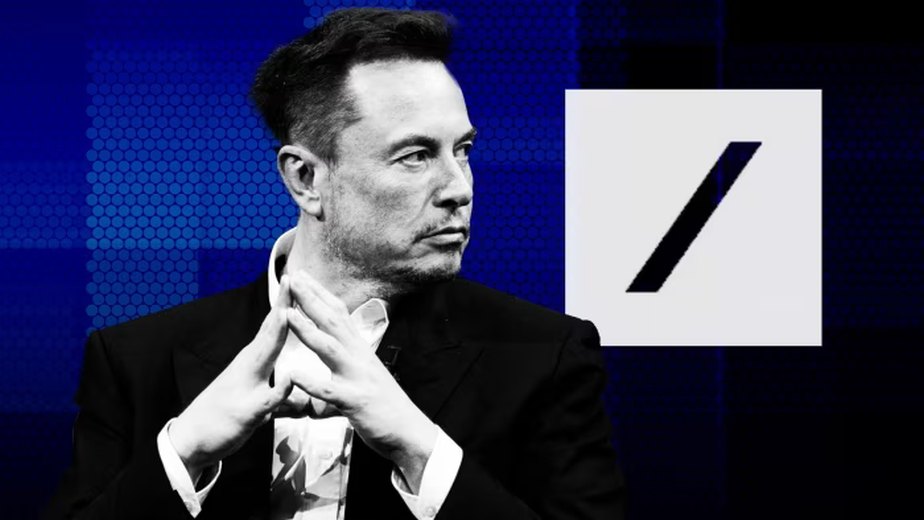
Elon Musk wants the companies racing to build the smartest AI systems to do something unusual: try to break each other’s models before those systems reach the public.
Speaking Monday at the All-In Summit in Los Angeles, Musk proposed a peer-review system that would give leading AI companies access to a shared “test harness” to evaluate competitors’ models. He named OpenAI, Anthropic, Google, Meta and “three or four of the leading Chinese companies” as potential participants.
“So, you know, instead of grading your own homework, you would at least have competitors grading your homework and raising the alarm if they see concerns,” Musk said.
The proposal would turn commercial rivalry into a safety mechanism. A company preparing a new frontier model could face scrutiny from competitors whose researchers have every incentive to find weaknesses that its own team missed.
Musk conceded that the system would hardly settle every question around AI safety.
“The odds that you will find issues are dramatically greater,” he said.
No rival lab has agreed to the plan, Musk acknowledged.
The timing gives the idea more weight. AI executives who normally compete over models, talent, customers and computing infrastructure have spent the past several days finding unexpected common ground over whether frontier AI is moving too quickly.
Anthropic CEO Dario Amodei set off the latest debate with an essay calling for the industry to pace frontier AI development. His proposal includes giving independent evaluators deep access to advanced systems so they can examine safety practices and model behavior, CNBC reported. OpenAI CEO Sam Altman and Musk subsequently backed parts of Amodei’s push.
The warnings have spilled beyond executive suites. Jacob Coxon, a former OpenAI researcher who recently left Anthropic, said leading AI labs are “gambling with our lives.” Anthropic alignment researcher Evan Hubinger backed Coxon publicly, writing: “Jacob is correct here—we really do earnestly believe AI could kill all humans! I personally think it is >10% within the next decade.”
AI safety is colliding with the race against China
Any voluntary slowdown faces a problem that no American AI company can solve alone: China.
If U.S. labs deliberately slow frontier development and Chinese competitors keep going, Washington risks surrendering a technological advantage it considers strategically significant. Amodei himself described the China question as the “toughest dilemma” surrounding his proposal.
China has pushed back against calls to slow development, with critics arguing that such a move could protect the lead of established U.S. companies at the expense of challengers.
Musk thinks mutual testing could offer a less drastic route.
“What I’m suggesting here is it’s a step in the right direction, and it’s something that we do quickly,” Musk said. “I think it’s probably something that China would agree to.”
The debate has reached Washington and Wall Street. President Donald Trump has rejected recent AI danger warnings, and administration officials have argued that industry should take the lead in addressing safety concerns. Investors are wrestling with a different question: whether slowing frontier development could eventually mean slower growth in the enormous infrastructure spending behind the AI boom. AI-linked stocks fell Monday after industry leaders raised their warnings.
That leaves Musk’s proposal sitting between two camps. It stops short of asking governments to dictate how quickly models can advance, yet goes further than asking AI companies to police themselves behind closed doors.
The biggest obstacle may be the same rivalry Musk hopes to exploit. OpenAI, Anthropic, Google, Meta, Musk’s SpaceXAI and China’s leading AI developers are competing for technological leadership.
It’s easy to picture them attacking one another’s models.
Getting them to trust one another enough to do it may be much harder.