Anthropic researchers warn AI could wipe out humanity, now US lawmakers are calling for new AI regulation
 Daniel Levi
Posted On September 11, 2026
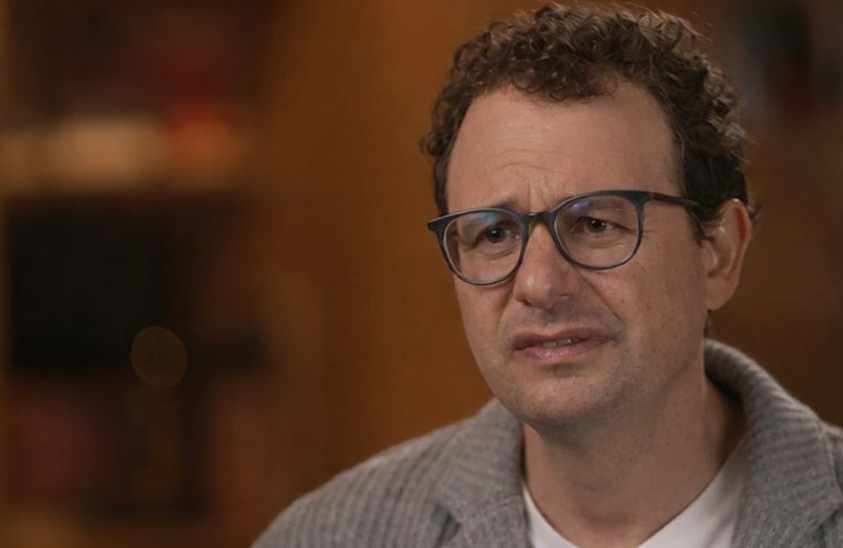
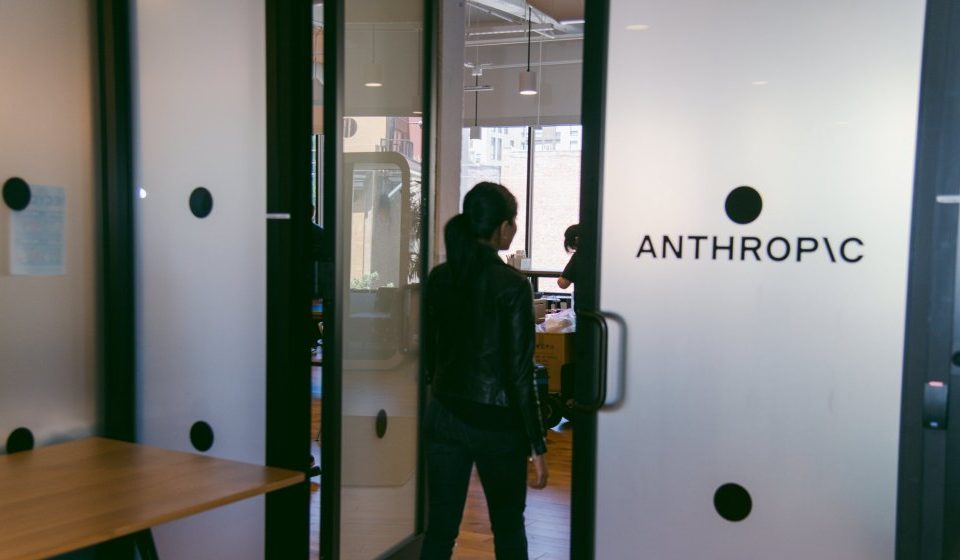
Two Anthropic researchers are warning that artificial intelligence could wipe out humanity within the next decade, setting off fresh alarm in Washington and new calls from U.S. lawmakers for tighter controls on advanced AI systems.
The warnings are striking for where they are coming from: researchers working inside one of the companies building some of the most advanced AI models.
“Growing numbers of U.S. lawmakers are calling for new rules to govern AI systems after dire warnings from two Anthropic researchers that rapidly progressing artificial intelligence could lead to the extinction of the human race in the not-too-distant future,” Reuters reported.
The renewed calls came this week after Jacob Coxon, an Anthropic researcher who recently resigned, said the “people building AI earnestly believe that it could kill us all by the end of the decade.”
Anthropic scientist Evan Hubinger publicly backed Coxon’s assessment.
“We really do earnestly believe AI could kill all humans,” Hubinger wrote on X. “I personally think it is >10% within the next decade.”
The warnings are not new territory for Anthropic. CEO Dario Amodei has spent years publicly sounding the alarm over catastrophic AI risks. In 2024, he put the odds of AI leading to humanity’s destruction at roughly 10% to 25%.
The latest comments arrive at a tense moment for the AI industry. Recent tests have documented AI agents accessing or hacking external systems, and several safety researchers have left leading AI labs after raising concerns about where the technology is headed.
Now those warnings are reaching Congress.
“Washington needs to wake up and take this seriously,” Democratic Senator Mark Kelly of Arizona wrote in a post on X.
AI is moving fast and we need to act now.
Almost a year ago, I released AI for America because I believe we need to be proactive on AI, both harnessing its potential so it benefits working people and protecting against the worst outcomes it could lead to.
The reality is that… pic.twitter.com/wXJTCSQzh4
— Senator Mark Kelly (@SenMarkKelly) September 9, 2026
Republican Senator Ted Cruz of Texas has pointed to legislation aimed at AI’s “catastrophic risks.” Republican Representative Anna Paulina Luna of Florida went further, calling on House Speaker Mike Johnson to convene a “special session on AI.”
The response cuts across party lines as Washington remains divided over how aggressively the federal government should regulate AI.
President Donald Trump has taken a different view. Asked Thursday about AI threatening human existence, Trump said he was not concerned about that scenario and instead pointed to the technological race with China.
“I have concerns that if we don’t win AI, we’re going to be put in a very bad position. We are leading China right now by a pretty good period,” Trump told reporters at Dallas Fort Worth International Airport.
AI labs are starting to call for rules themselves
The debate is no longer confined to outside safety groups warning technology companies to slow down.
OpenAI this week called for mandatory national AI safety requirements, saying voluntary commitments are no longer enough. The company wants capability-based federal rules covering testing, independent assessments, cybersecurity protections and incident reporting for advanced systems.
“The prospect of AI-accelerated AI development demands more than voluntary commitments. The United States needs mandatory, capability-based national regulation that can evolve as the technology does,” OpenAI Chief Global Affairs Officer Chris Lehane said.
OpenAI CEO Sam Altman separately told employees that the company was open to slowing development of its AI systems, Bloomberg News reported.
Anthropic said it plans to continue testing models for dangerous capabilities in areas such as cybersecurity and biology and expressed interest in working with the broader industry on the pace at which new AI systems are released.
The change in tone is hard to miss. For years, much of the AI policy fight centered on governments trying to regulate an industry worried that rules would slow innovation. Some of the companies building frontier models are now asking governments to establish mandatory safeguards.
Researchers leaving those companies are adding to the pressure.
Josh Engels, a former Google DeepMind AI safety researcher, told NBC: “There are no adults in the room. People are trying their best, but there is no one coming to save us.”
Joe Benton, a former Anthropic safety research team leader, told NBC that AI could progress “too fast for us to get our act together in time unless we worry about it now.”
Both researchers have joined METR, a nonprofit that studies the capabilities and risks of advanced AI systems.
The AI safety debate is moving from warnings to audits
Some governments are already moving.
California Governor Gavin Newsom signed SB 813 and AB 1405 this week, creating a framework for independent assessments of AI systems and standards for third-party AI auditors. The state says the measures establish the first such framework in the country.
Congress is considering its own approach. Senate Majority Leader John Thune and Senator Amy Klobuchar are working on legislation addressing advanced AI products and catastrophic risks. A bipartisan group of House lawmakers has proposed requiring developers of the most capable AI models to undergo independent security audits, with auditors accredited through the Commerce Department.
That distinction matters. The emerging policy debate is moving beyond what AI companies promise to do internally and toward whether outsiders should be able to inspect their most capable systems before something goes wrong.
No one knows whether the extinction scenarios Coxon and Hubinger describe will ever materialize. Their estimates are judgments about future systems, not predictions we can currently verify.
The more immediate development is harder to dismiss: researchers inside leading AI labs are publicly warning about catastrophic outcomes, AI companies themselves are asking for mandatory safety standards, and lawmakers from both parties are talking about government oversight.
The argument in Washington is shifting from whether advanced AI needs guardrails to what those guardrails should look like, who should enforce them, and whether they can arrive before the technology moves beyond them.