Oracle cuts 21,000 jobs, citing AI adoption amid broader tech layoff wave
 Daniel Levi
Posted On June 23, 2026
Daniel Levi
Posted On June 23, 2026
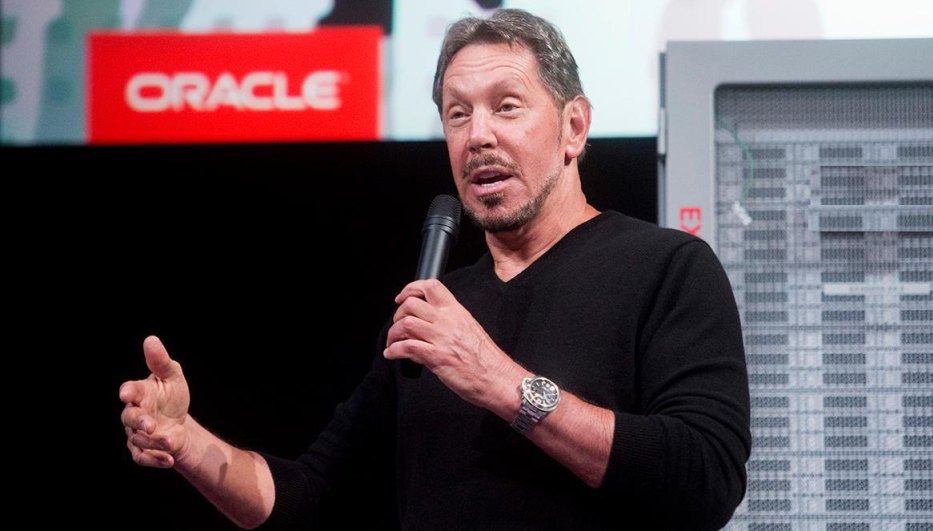
Oracle is cutting thousands of jobs and telling investors exactly why. The software giant said in its annual filing Monday that it reduced its workforce by 21,000 roles over the past year, bringing its full-time headcount down to 141,000 as of May 2026 from 162,000 a year earlier. That works out to nearly 13% of its workforce, one of the clearest signs yet of how the AI boom is reshaping the balance between labor and capital across Big Tech.
The disclosure comes three months after Oracle began another round of layoffs, with employees reporting 6 a.m. termination emails as the company ramped up spending on AI infrastructure.
“Oracle shed 21,000 jobs, almost 13% of its workforce, in the past year, as tech giants carry out sweeping layoffs as a result of AI. The company’s total workforce stands at 141,000 full-time employees as of May 2026, it said in its annual regulatory filing on Monday,” CNBC reported.
Oracle did not bury the reason in vague corporate language. It linked the cuts directly to how AI is being rolled out within the company.
“The adoption and deployment of AI technologies across our operations have resulted, and may continue to result, in reductions to our workforce,” Oracle said in the filing.
The cuts come at a time when Oracle is spending at a pace that would have been hard to imagine for a legacy enterprise software company just a few years ago. Capital expenditures jumped 162% in the last fiscal year to $55.7 billion as Oracle pushed deeper into cloud infrastructure and AI. Free cash flow fell to negative $23.7 billion, a reminder that the race to build AI capacity is putting enormous pressure on balance sheets across the tech sector.
Oracle’s restructuring bill tells the same story. The company spent $1.8 billion on restructuring costs, including severance and other exit expenses, up sharply from $374 million the year before. That kind of jump suggests this was not a routine headcount trimming. It was a large and expensive reset tied to a broader shift in how Oracle plans to build and run its business.
The company acknowledged that this kind of upheaval carries risks beyond the immediate financial hit. In the filing, Oracle warned that workforce changes can be disruptive and may drag on productivity. It said restructurings can create shortages of skilled workers in some roles, erase institutional knowledge, and hurt morale and retention across the organization.
Oracle struck a more forward-looking tone in a statement shared with CNBC, framing the cuts as part of a longer realignment around cloud and AI.
“As our cloud and AI businesses grow, we will continually balance our resources and restructure our development group to help ensure we have the right people delivering the best cloud and AI products to our customers around the world,” the company said.
That explanation aligns with what Oracle signaled earlier this year. In March, the company told employees it was cutting thousands of jobs amid investor pressure over the level of debt it was taking on to finance its AI infrastructure push. In January, Oracle announced plans to raise $50 billion in debt and equity, a striking figure even in a market accustomed to massive AI spending announcements.
Oracle is far from alone. Across the tech industry, companies are trying to fund a once-in-a-generation infrastructure buildout without letting operating costs spiral out of control. Meta, Microsoft, Google, and Amazon have all laid out aggressive capital spending plans tied to AI data centers, chips, and cloud capacity. Combined, those commitments are expected to reach into the hundreds of billions of dollars this year.
That spending spree is now colliding with a second reality: companies still need to show investors that margins matter. One way to square that circle is to automate more work, flatten teams, and redirect cash from payroll to servers, chips, networking gear, and energy-hungry data centers.
Oracle’s latest filing puts that tradeoff in plain view. The company is spending billions to expand its AI footprint, incurring restructuring costs to reshape its workforce, and openly warning that AI adoption may continue to reduce headcount. For employees, that is a stark message. For investors, it is a signal that Oracle sees AI infrastructure as too important to slow down, even if the human cost keeps rising.
The market reaction was muted but negative. Oracle shares were down 2.6% shortly after the opening bell on Monday and have fallen 15.4% since the start of the year, a slide that has come amid a broader tech sell-off. That drop reflects a tension investors are still trying to price in across the sector. AI promises long-term growth, but the bill for getting there is arriving right now.
Oracle’s workforce reduction falls within a much larger pattern. Meta laid off 8,000 employees, or about 10% of its workforce, in May. Microsoft began offering voluntary buyouts to a portion of its U.S. workforce in April. AI-related job cuts have spread across software, cloud, enterprise IT, and back-office functions as companies seek to fund the next wave of infrastructure without sacrificing financial discipline.
Oracle’s filing makes one thing hard to ignore. The AI boom is not just producing new products and new revenue streams. It is changing who gets hired, who gets cut, and where the money goes. For the biggest tech companies, AI is no longer just a growth story. It is a workforce story, a capital allocation story, and increasingly a test of how much disruption companies are willing to absorb in pursuit of the next platform shift.