SpaceX tops $2 trillion valuation after shares surge 17% in historic market debut on Nasdaq
 Daniel Levi
Posted On June 12, 2026
Daniel Levi
Posted On June 12, 2026
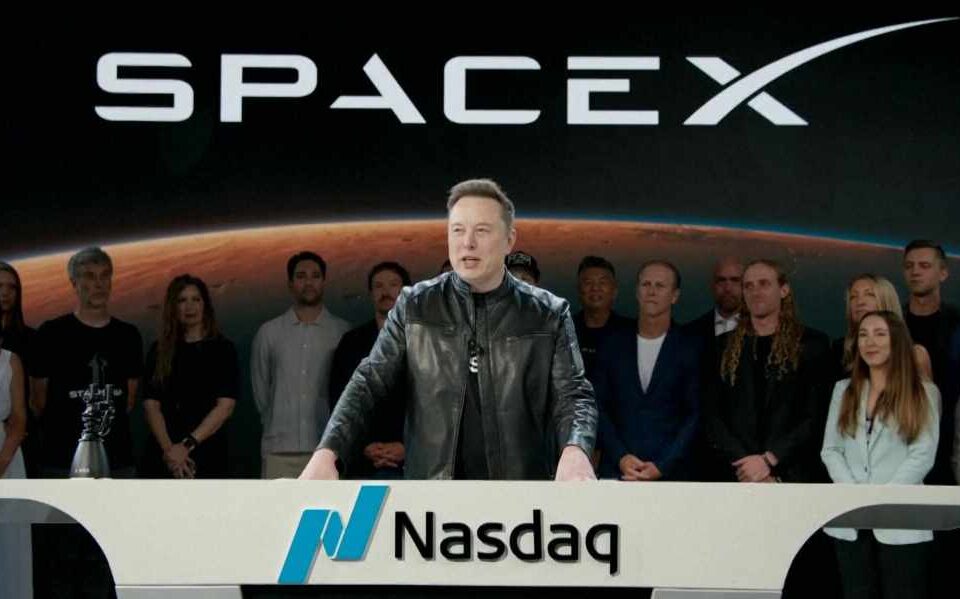
SpaceX’s long-awaited arrival on public markets is already rewriting the record books.
Shares of Elon Musk’s rocket company jumped 17% as trading began Friday, lifting SpaceX’s valuation above $2 trillion and turning its Nasdaq debut into one of the biggest wealth-creation events Silicon Valley has ever seen. The stock opened well above its IPO price of $135 per share after the company raised $75 billion in the largest initial public offering in history.
“SpaceX shares gain 17% as trading begins, valuing Elon Musk’s rocket company at more than $2 trillion,” CNBC reported.
SpaceX opened at $150 a share, up about 11% from its IPO price of $135. The opening was strong, though it fell short of the $175 level some trading desks had seen in early indications of investor demand.
The strong debut pushed SpaceX’s market value beyond the $1.77 trillion valuation assigned at pricing and closer to the ranks of the world’s most valuable publicly traded companies.
The market’s response reflects years of investor demand for a company that has largely remained inaccessible to public shareholders. SpaceX has grown from a startup challenging established aerospace contractors into a dominant force in commercial launches, satellite communications, and space infrastructure.
The rally is creating a new challenge far from launch pads and rocket factories: helping thousands of newly wealthy employees manage fortunes that, in many cases, were built almost entirely on SpaceX stock.
SpaceX Surges Past $2 Trillion Valuation After Record $75 Billion IPO
According to CNBC, more than 100 SpaceX employees with combined assets ranging from $1 billion to $5 billion have joined together to negotiate discounted wealth management services ahead of the company’s public debut. The group selected registered investment advisor Choreo to manage assets at fees below traditional industry rates.
The arrangement highlights the scale of wealth generated by the IPO. Many employees who spent years accumulating restricted stock suddenly find themselves holding life-changing sums of money.
“This is a unique transformational event,” Choreo CEO Jason Van de Loo told CNBC. “We don’t see events like this often. Most investors have decades to build wealth. When you get a moment like this, it’s almost more like a large inheritance, or like winning a lottery ticket. It’s not easy to wrap your head around the transactional components of that event.”
The competition for those assets has become intense. Wealth management firms, private banks, trust companies, and financial advisors have been hosting events and meeting with employees across California, Texas, and Florida to win new clients.
For many SpaceX employees, the biggest question is whether to sell shares or continue holding them.
Jamie Battmer, chief investment officer at Creative Planning, said many SpaceX employees have as much as 90% of their wealth tied to company stock. Financial advisors often encourage diversification after major liquidity events, particularly when a single stock dominates a client’s net worth.
Yet many SpaceX employees remain deeply committed to the company’s future and are reluctant to reduce their holdings. Advisors are helping clients explore tax-efficient strategies, estate planning structures, charitable giving plans, and other ways to manage concentrated positions without triggering unnecessary tax consequences.
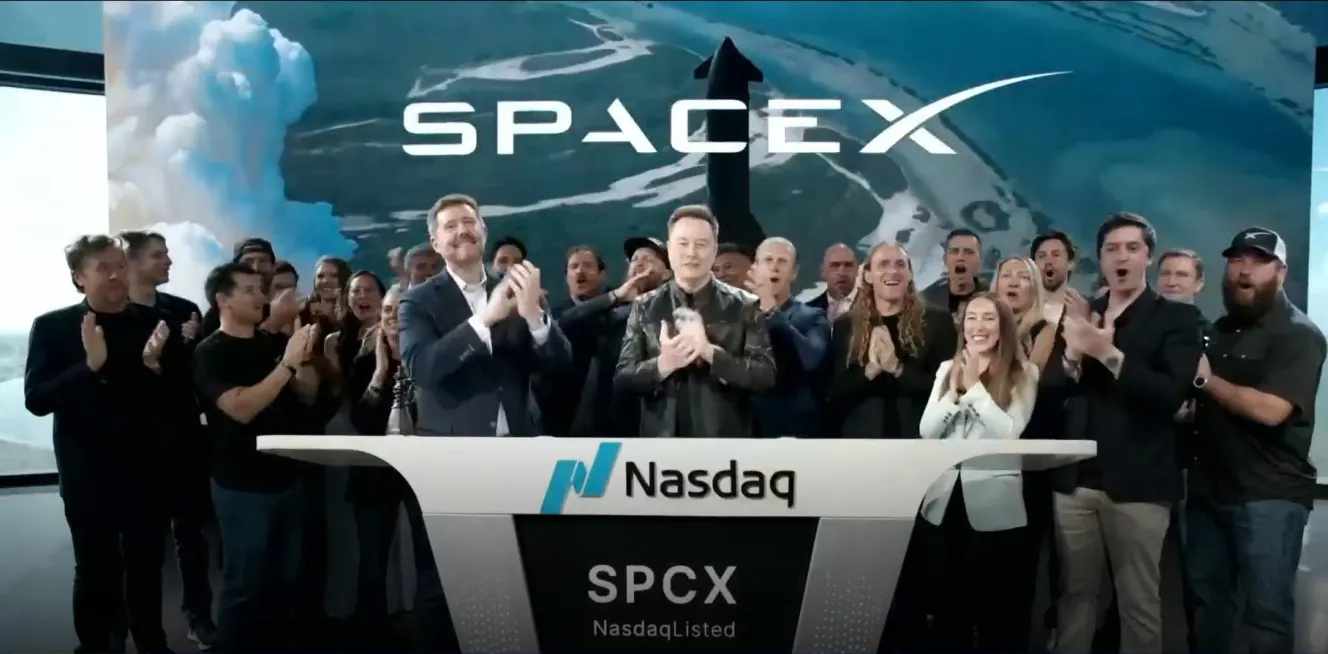
The culture inside SpaceX is shaping how employees approach those decisions.
Many workers come from engineering and technical backgrounds and tend to treat financial planning as another problem to solve. Advisors say employees frequently compare notes with colleagues, examine different scenarios together, and scrutinize recommendations in extraordinary detail.
“Because it’s a group of engineers, these are individuals who do a better job of dotting every ‘i’ and crossing every ‘t,’” Battmer said. “But the vulnerabilities that come with just a seismic shift in your net worth are very dangerous and need to be navigated. Oftentimes highly skilled professionals can make the wrong decisions.”
Artificial intelligence is becoming part of those conversations, too.
Advisors say many employees arrive at meetings with recommendations generated by OpenAI’s ChatGPT or Anthropic’s Claude. Financial professionals are increasingly finding themselves reviewing AI-generated advice alongside traditional planning discussions.
“What’s been interesting to us so far is we’re finding creative ways to leverage AI as a part of those conversations,” Van de Loo said. “I think naturally for this employee cohort, the first instinct is to go ask Claude, ‘What should I do?’”
AI answers can provide useful starting points. Advisors say the real value comes from helping employees distinguish between generic recommendations and strategies that fit their specific financial situation.
SpaceX’s blockbuster debut marks a milestone for public markets, private company investors, and the broader aerospace industry. It has created thousands of new millionaires overnight and unlocked a wave of wealth that financial institutions are already competing to manage.
For SpaceX employees, the challenge now shifts from building rockets to making decisions that could shape their financial future for decades.