Standard Bots raises $200M at $1 billion valuation to bring AI-powered manufacturing back to the U.S.
 Daniel Levi
Posted On June 9, 2026
Daniel Levi
Posted On June 9, 2026
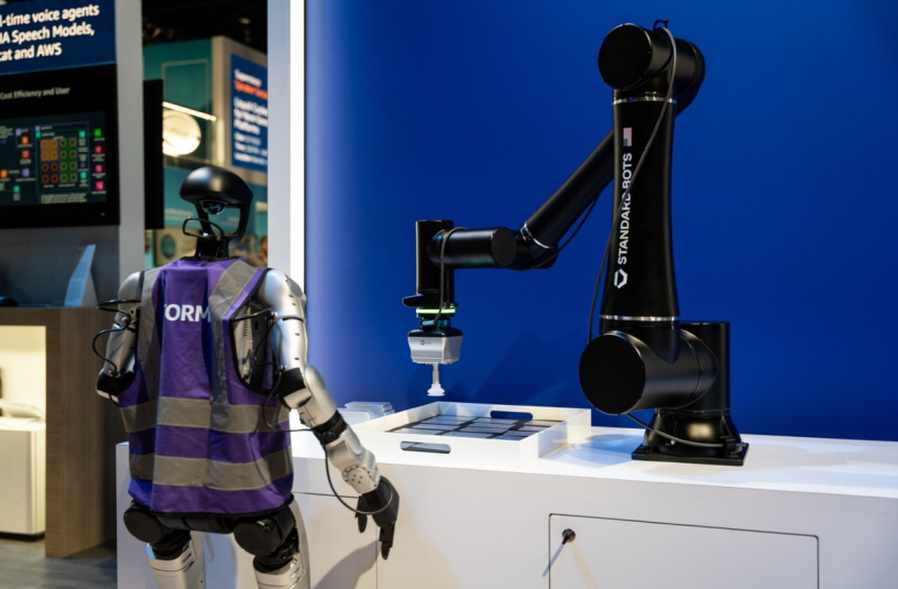
America’s manufacturing comeback may depend on more than tariffs, subsidies, or trade policy. It may depend on robots.
Standard Bots, the New York-based robotics company building AI-native industrial robots, has raised $200 million in Series C funding at a $1 billion valuation. The round was led by RoboStrategy, with participation from existing investors including General Catalyst. The funding comes as U.S. manufacturers face mounting pressure to increase productivity and compete against countries that have spent years investing heavily in factory automation.
The milestone arrives at a time when manufacturing has become a national conversation. The sector supports roughly one-third of the U.S. economy when suppliers and related services are included, and millions of workers still rely on factory jobs to build middle-class careers. Yet the country employs far fewer manufacturing workers than it did decades ago. The United States had about 20 million manufacturing workers in 1979. Today, that figure stands closer to 13 million.
One reason is automation. Another is the uneven pace of automation adoption.
China installed nine times as many industrial robots as the United States last year, according to figures cited by the company. In total, China deployed more industrial robots than the rest of the world combined, widening a gap that has become increasingly difficult for American manufacturers to ignore.
Standard Bots believes the answer is making industrial robots easier to use.
America Lost 7 Million Factory Jobs. This AI Robotics Startup Just Raised $200M to Help Bring Them Back
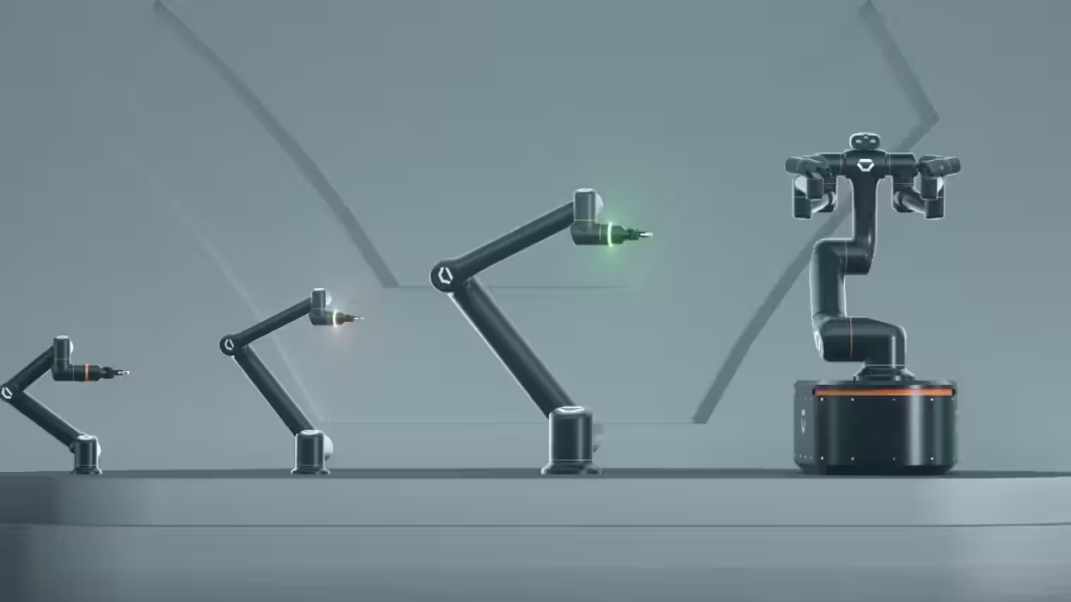
The company builds AI-native robot arms and industrial humanoids that can be trained through demonstration rather than traditional programming. Instead of requiring engineers to write code for every task, workers can show the robot what to do and allow the system to learn from observation. The approach aims to make automation accessible to manufacturers that lack large robotics teams or specialized expertise.
That pitch appears to be gaining traction.
Standard Bots says its systems are already deployed at hundreds of companies across nearly every state, serving industries that include aerospace, automotive, oil and gas, logistics, defense, and data centers. Customers include Amazon, Lockheed Martin, NASA, the U.S. Army, and Sunoco, as well as hundreds of small and midsize manufacturers.
The company is now betting that demand for industrial AI will continue to rise.
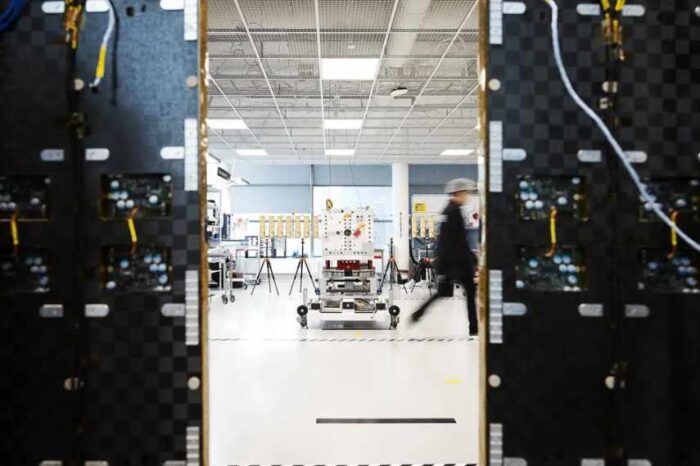
To support that growth, Standard Bots is expanding its manufacturing facility in Glen Cove, New York, to 70,000 square feet. The site will support a vertically integrated production model where the company designs, assembles, and tests most of its products domestically. Standard Bots says it expects to account for 10% of new U.S. industrial robot deployments by next year.
“AI-native robots are the essential power tool of the 21st century – the tool that will grow American manufacturing and help every worker to be a force at work,” said Evan Beard, co-founder, CEO, and Chief Engineer of Standard Bots. “AI will allow industrial robots to do 100x more tasks with full autonomy. You just show your robot how it’s done, and it learns through demonstration. The quickest way to get to full autonomy is through deployments, collecting real-world data, and iterating as fast as possible. Standard Bots is the furthest along in that regard with the most vertically integrated, onshore production process, and this new capital just accelerates all of that.”
The company’s ambitions extend beyond selling robots.
Meet the Startup Building AI Robots for Amazon, NASA, and the U.S. Army
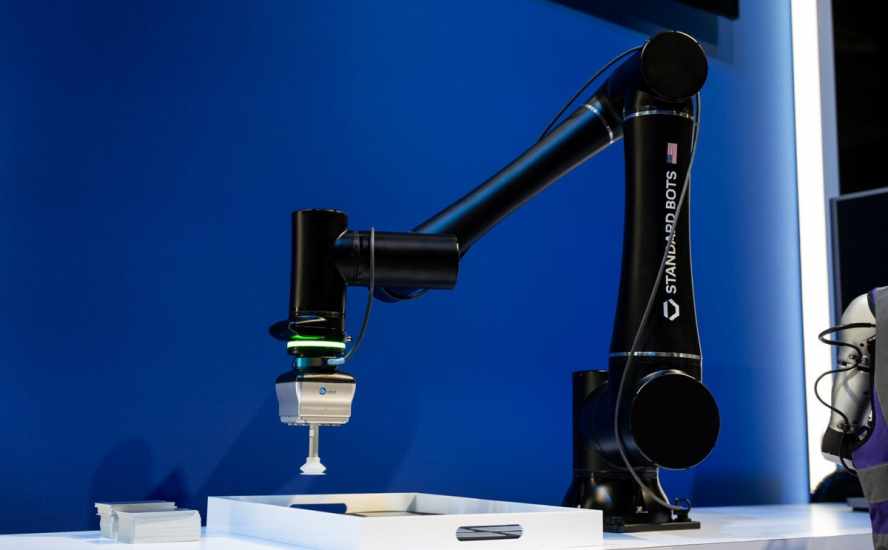
Image credit: Standard Bots
Standard Bots has become an active participant in discussions around a national robotics strategy. Company executives have testified before Congress and advised policymakers on steps they believe could strengthen domestic manufacturing. Among the recommendations are financial incentives for manufacturers adopting robotics and restrictions on Chinese-made industrial robots and key robotics components.
Investors see Standard Bots as part of a broader shift taking place across factory floors.
“Across our portfolio, we’re seeing a clear shift from experimental robotics to systems that can deliver immediate, real-world value,” said Andrew Kang, CEO at RoboStrategy. “Standard Bots stands out because they’ve solved one of the hardest problems in industrial automation: making robots that are not only powerful, but actually usable on the factory floor without specialized programming. Their approach to physical AI—teaching robots through demonstration—dramatically expands the range of tasks that can be automated. Combined with their commitment to building and scaling manufacturing in the U.S., we believe Standard Bots is uniquely positioned to define the next generation of industrial robotics.”
General Catalyst partner Max Rimpel views the company through a similar lens.
“The democratization of robotics is no longer a slogan; it’s happening on factory floors across America,” Rimpel said. “For years, robotics’ potential to bring manufacturing back home has been held back by cost and complexity. Evan and the Standard Bots team are helping remove those barriers, giving manufacturers of all sizes access to automation that was once out of reach. We believe they’ll be instrumental in building the next generation of American manufacturing.”
The funding round places Standard Bots among a growing group of robotics companies attracting significant investor attention as AI moves beyond software and into the physical economy. Investors have poured billions into startups building robots for factories, warehouses, logistics operations, and defense applications.
For Standard Bots, the opportunity is straightforward. If the company can make industrial robots cheaper, easier to deploy, and simple enough for everyday factory workers to train, it could help close an automation gap that has widened for decades.
The bigger question is whether American manufacturers will move quickly enough to catch up.