Impulse Space raises $500M at $4.3B valuation to build the ‘last-mile’ infrastructure of space
 Daniel Levi
Posted On June 2, 2026
Daniel Levi
Posted On June 2, 2026
Launching a satellite into orbit is no longer the hardest part of spaceflight. Getting it where it actually needs to go may be the bigger challenge. That idea is attracting serious investor attention. Impulse Space, the spacecraft startup founded by one of SpaceX’s earliest architects, has raised $500 million in a Series D funding round, pushing the company’s valuation to $4.26 billion.
The funding round was co-led by 137 Ventures and Banner VC, bringing the company’s total funding to more than $1 billion.
Founded by Tom Mueller, SpaceX’s first employee and the propulsion engineer behind the rocket engines that helped transform SpaceX into the world’s dominant launch provider, Impulse Space is focused on a problem that has become increasingly important as access to orbit becomes cheaper and more common.
For years, the commercial space industry concentrated on launch vehicles. Companies raced to reduce the cost of sending payloads into space. That race produced reusable rockets, lower launch costs, and a surge in satellite deployments.
Now a new bottleneck is emerging.
Many spacecraft still face long journeys after reaching orbit. Satellites often spend months slowly maneuvering themselves into their final positions. Missions headed farther into space face even longer timelines.
Impulse wants to change that.
“Launch has pretty much been solved. The challenge now is getting everywhere else beyond low Earth orbit,” Mueller told Reuters.
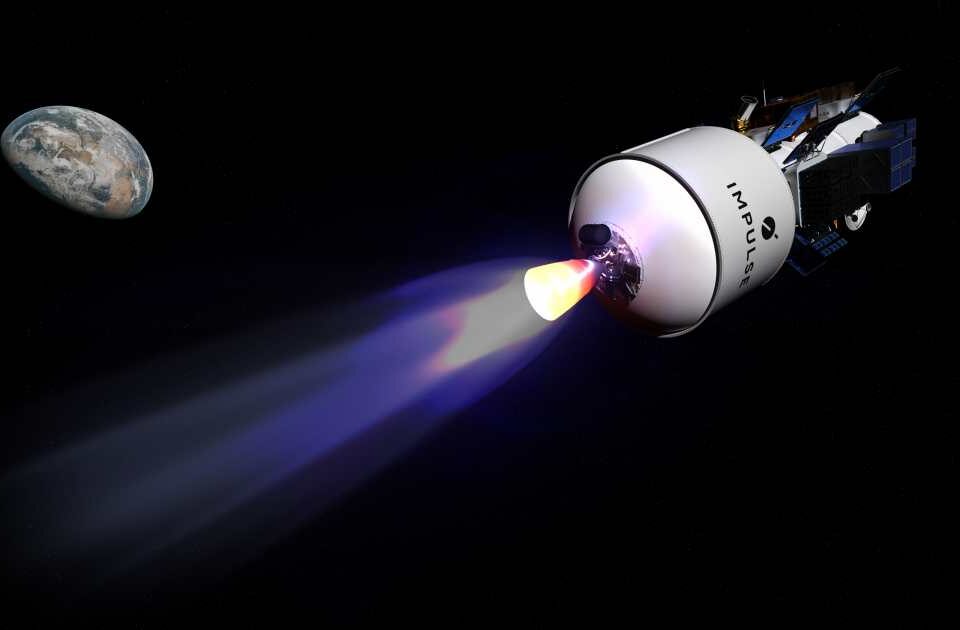
The company’s spacecraft act like orbital transportation systems, moving satellites and payloads after launch and delivering them to their intended destinations much faster than traditional approaches.
Its flagship products include Mira, an orbital transfer vehicle already operating in space, and Helios, a larger spacecraft scheduled for its first mission in 2027.
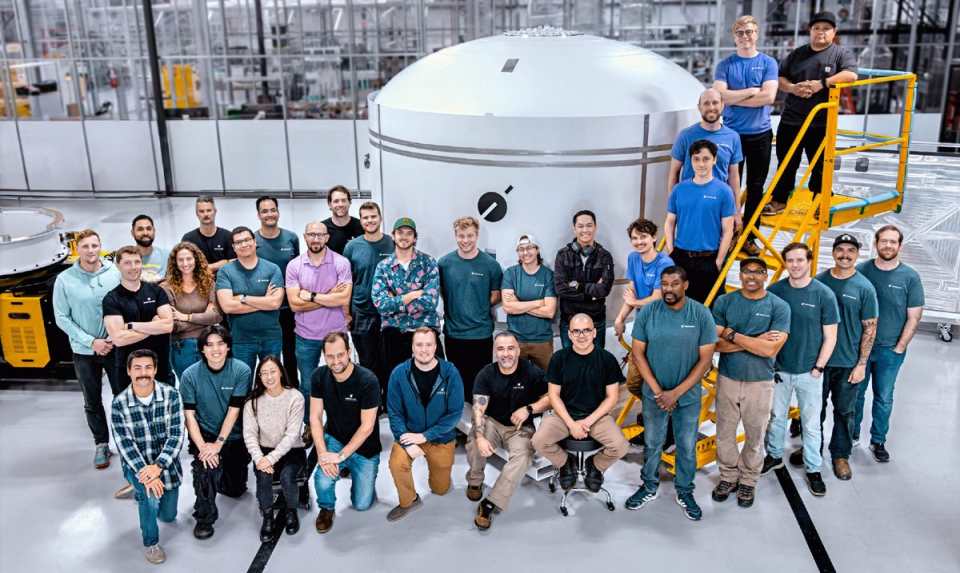
TechStartups first covered Impulse Space almost exactly a year ago when the company raised $300 million to accelerate development of its orbital transportation systems. At the time, Impulse was betting that the next frontier in space would not be launching payloads into orbit, but moving them once they arrived there. The company’s latest funding round suggests investors are increasingly buying into that vision.
“For Helios, commercial customers can launch on a Falcon 9 and take six, eight or 10 months to reach their final orbit. Our pitch is: ‘launch with Helios, and we’ll get you there the same day,'” said Impulse President and COO Eric Romo.
The company’s vision places it in a growing segment of the space economy, often described as orbital logistics. The concept is simple: launching something into space is only the first step. Spacecraft still need transportation services once they arrive there.
That opportunity has become more attractive as satellite constellations grow larger and governments increase spending on national security and space-based infrastructure.
Impulse says it has already completed three missions and secured hundreds of millions of dollars in customer contracts.
The SpaceX Effect Fuels a New Investment Wave
The funding round arrives at a moment when investor interest in space startups is climbing again.
A major catalyst has been SpaceX’s recent filing for what could become one of the largest public offerings in history. The filing highlighted the company’s ambitions across Starlink, artificial intelligence infrastructure, and Starship development, drawing fresh attention to the broader commercial space market.
The renewed excitement is spilling over into startups founded by former SpaceX executives and engineers.
Investors increasingly view these founders as uniquely positioned to build the next generation of space infrastructure companies, much as former PayPal employees helped create a wave of successful technology startups after PayPal’s sale to eBay.
Impulse Space appears to be one of the biggest beneficiaries of that trend.
The latest round included participation from Founders Fund, Lux Capital, and Linse Capital, underscoring growing confidence that the next major opportunity in space may not be launching rockets.
It may be building the transportation network that moves everything after launch.
As access to orbit becomes cheaper and more routine, companies like Impulse are betting that the future of space will depend on what happens after the rocket leaves the launch pad.
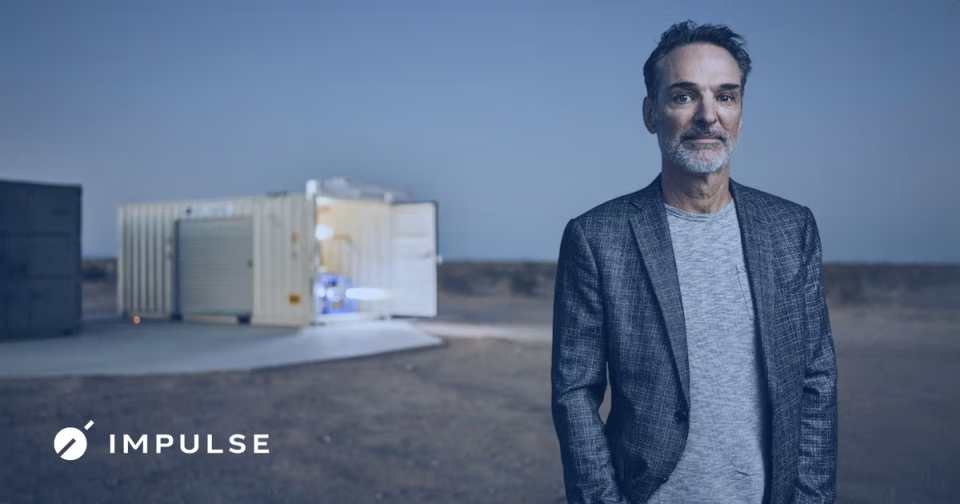
Impulse Space Founder and CEO