Swiss neurotech startup Neurosoft raises $7.5M to build AI-powered stretchable brain-computer interfaces
 Nickie Louise
Posted On May 20, 2026
Nickie Louise
Posted On May 20, 2026
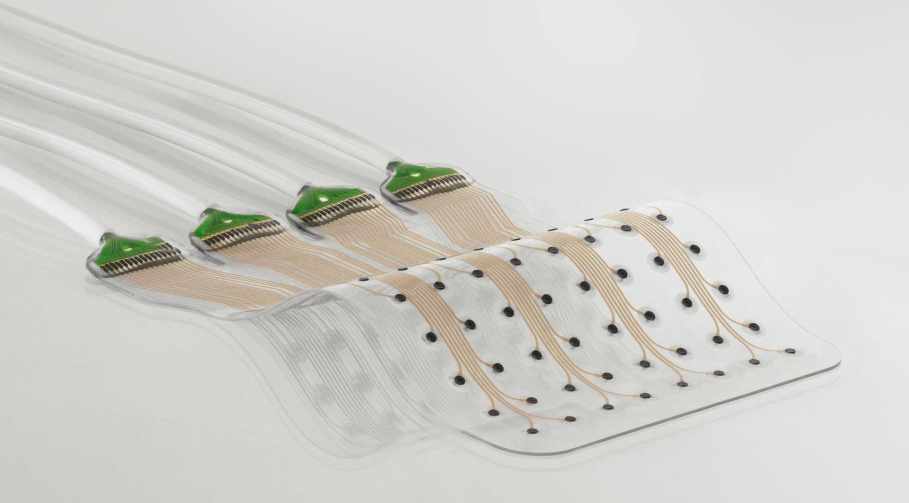
Swiss neurotech startup Neurosoft Bioelectronics is betting that the future of brain-computer interfaces may look a lot softer and far less invasive than today’s implants.
The company announced Tuesday it has raised an oversubscribed $7.5 million seed round to develop stretchable brain-computer interfaces that sit on the surface of the brain without penetrating tissue. The funding round was led by Skybound Venture Capital, with participation from PL Capital, IAG Capital Partners, Connecticut Innovations, and other investors.
The latest raise brings Neurosoft’s total funding to more than $20 million, as investors continue to pour money into brain interface startups racing to connect humans and machines through AI-driven neural systems.
Founded as a spinout from Switzerland’s EPFL, Neurosoft is developing soft neural implants to treat neurological conditions such as epilepsy and severe tinnitus. The company says its electrodes are up to 1,000 times more compliant than materials used in existing flexible neural interfaces and can cover up to 30 times more cortical surface area than current brain-computer interface systems.
That matters in a field where companies compete to collect cleaner, larger volumes of neural data without damaging delicate brain tissue.
With $7.5M in funding, Neurosoft Bioelectronics aims to turn brain signals into the next interface between humans and machines
Neurosoft’s platform takes a different approach from many invasive brain implant systems by avoiding penetration into the brain itself. Its stretchable electrodes are placed on the brain’s surface via a minimally invasive procedure, giving surgeons access to broad regions of the cortex while reducing tissue disruption.
The startup has already tested its system in 10 patients across ongoing clinical trials at UTHealth Houston in the United States and UMC Utrecht in the Netherlands. One of those studies involved a 64-channel soft, stretchable brain interface used to guide epilepsy surgery.
The company says its long-term ambition extends beyond medical devices.
Neurosoft is building what it describes as a neural data platform that could eventually support a foundation model trained on large-scale cortical recordings. The concept mirrors how large language models are trained on massive datasets, except Neurosoft wants to train AI systems using neural activity captured directly from the human brain.
“Our soft electrode platform, paired with a streamlined regulatory pathway, gives us access to neural data at a quality and scale no other approach can safely match today,” said Nicolas Vachicouras, PhD, CEO and Co-Founder of Neurosoft Bioelectronics. “That data is the foundation for improved clinical outcomes, and a cortical foundation model that will help shape the next generation of brain interfaces. The investor support we’ve seen in this round validates that we’re on the right path.”
Interest in brain-computer interfaces has surged over the past two years as advances in AI, semiconductor design, and neural engineering push the field closer to commercial reality. Elon Musk’s Neuralink remains the most visible player in the sector, though a growing number of startups are pursuing less invasive alternatives that avoid drilling deep into brain tissue.
Earlier this year, Neurosoft announced a partnership with Science Corp, the neurotechnology startup founded by former Neuralink president Max Hodak. The collaboration is expected to accelerate development of Neurosoft’s brain-computer interface platform.
“Neurosoft isn’t just building a medical device; they are building the definitive interface between the human mind and the digital world. Their stretchable, sub-millimeter electrodes are a feat of engineering that finally allows us to interface seamlessly with the brain without damaging it. We are proud to lead this investment to accelerate their mission of treating devastating conditions like severe tinnitus and epilepsy, while simultaneously gathering the unprecedented neural data required to map and decode the human cortex at scale,” said George Varvarelis, GP at Skybound Venture Capital.
Neurosoft says the new funding will support its next milestones, including minimally invasive deployment in human patients and commercialization of its first brain interface product in the United States.
The company operates from Geneva, with a U.S. subsidiary in New York, and currently holds more than 25 patents related to its neural interface technology.
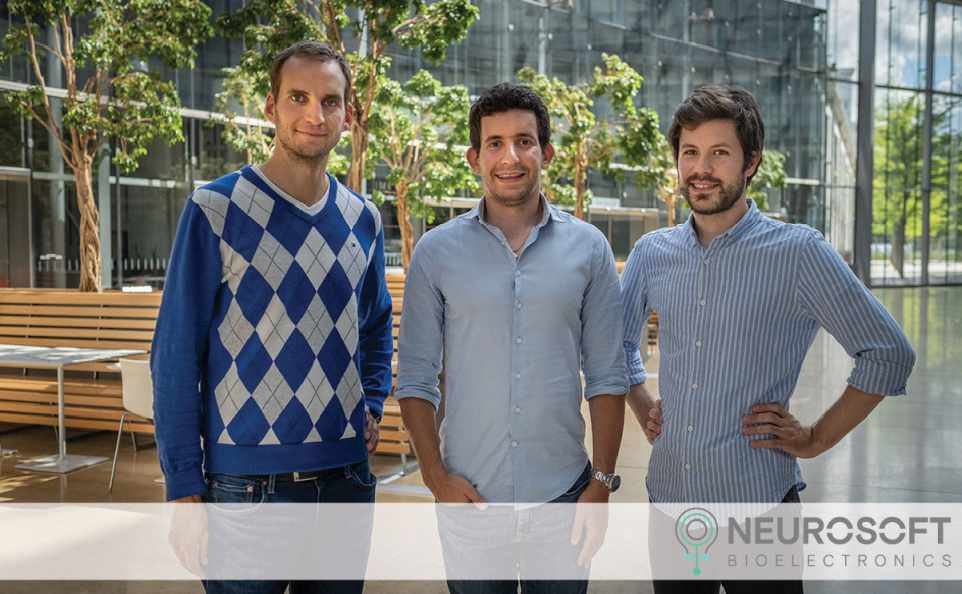
Neurosoft Bioelectronics Team (Image credit: Neurosoft)