Elon Musk loses case against OpenAI after just two hours of jury deliberations
 Daniel Levi
Posted On May 18, 2026
Daniel Levi
Posted On May 18, 2026
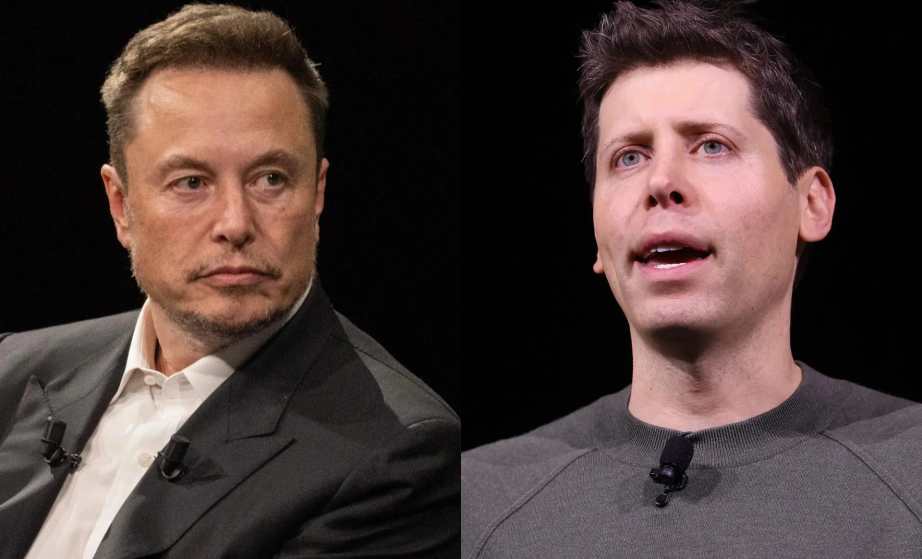
Elon Musk’s long-running fight against OpenAI just hit a major wall in court. A federal jury in Oakland on Monday ruled against Musk in his lawsuit accusing OpenAI of abandoning its original mission and turning into a profit-driven AI giant backed by Microsoft.
The unanimous verdict handed a major win to OpenAI CEO Sam Altman and his company at a time when the AI industry is under growing scrutiny over money, influence, and who controls the future of artificial intelligence.
Jurors needed less than two hours to reach a decision after an 11-day trial that pulled some of Silicon Valley’s biggest names into a public clash over power, trust, and billions of dollars, according to the Financial Times report.
The jury found that Musk waited too long to bring the case.
Following the verdict, U.S. District Judge Yvonne Gonzalez Rogers signaled Musk could face serious challenges if he appeals.
“There’s a substantial amount of evidence to support the jury’s finding, which is why I was prepared to dismiss on the spot,” Rogers said in court.
The lawsuit, filed by Musk in 2024, accused OpenAI, Altman, and OpenAI President Greg Brockman of betraying the nonprofit principles on which the company was founded in 2015. Musk claimed OpenAI convinced him to contribute roughly $38 million during its early years, then shifted course by building a for-profit structure and accepting massive investments from Microsoft and other backers.
Musk described the move as “stealing a charity.”
The case became one of the most closely watched legal battles in AI, partly due to what it represented beyond the courtroom. At its center sat a question hanging over the entire industry: should artificial intelligence serve the public first, or investors first?
OpenAI argued Musk’s claims arrived years too late and painted the billionaire entrepreneur as someone frustrated that he no longer had influence inside the company he helped launch.
“Mr. Musk may have the Midas touch in some areas, but not in AI,” OpenAI attorney William Savitt told jurors during closing arguments.
OpenAI was founded in 2015 by Altman, Musk, Brockman, and several others as a nonprofit focused on developing safe artificial intelligence for humanity’s benefit. Musk left OpenAI’s board in 2018. A year later, OpenAI created a for-profit arm that later attracted tens of billions of dollars in backing, most notably from Microsoft.
That partnership helped turn OpenAI into one of the most valuable AI companies in the world. The company is reportedly preparing for an IPO that could value it at up to $1 trillion.
Microsoft, which faced an aiding-and-abetting claim in the lawsuit, welcomed the verdict.
“The facts and the timeline in this case have long been clear, and we welcome the jury’s decision to dismiss these claims as untimely,” a Microsoft spokesperson said, according to a Reuters report.
Inside the courtroom, the trial often shifted from legal arguments to personal credibility battles between Musk and Altman. Lawyers for both sides accused the other camp of chasing money under the banner of serving humanity.
Musk’s attorney Steven Molo repeatedly attacked Altman’s honesty during closing arguments, telling jurors that multiple witnesses had questioned the OpenAI CEO’s credibility.
“Sam Altman’s credibility is directly at issue,” Molo said. “If you don’t believe him, they cannot win.”
OpenAI pushed back hard, arguing Musk’s concerns over AI safety were tied closely to competition. Musk now runs xAI, his own artificial intelligence company, which recently became part of SpaceX. SpaceX itself is reportedly preparing for an IPO that could rival OpenAI’s future public offering in size.
The trial unfolded as AI systems become increasingly woven into everyday life, from education and healthcare to legal research and financial advice. At the same time, fears around deepfakes, job displacement, and concentrated corporate control continue to grow.
That tension helped turn the lawsuit into more than a contract dispute. It became a public fight over who gets to shape the AI era and profit from it.
For OpenAI, Monday’s verdict removes a major legal threat just as the company pushes deeper into commercial AI services and enterprise deals. For Musk, the loss marks another setback in his attempt to challenge the company he once helped build into the center of the global AI race.