Lunar Outpost raises $30M to fast-track moon rover for NASA Artemis missions
 Daniel Levi
Posted On May 7, 2026
Daniel Levi
Posted On May 7, 2026

The race to build NASA’s next moon rover just picked up speed, and investors are pouring money into the effort.
Colorado space startup Lunar Outpost has raised $30 million in a new funding round to accelerate development of Pegasus, a smaller lunar rover the company hopes can land on the moon by 2027 as part of NASA’s Artemis program. The round was led by Industrious Ventures, with participation from Type One Ventures, Eniac Ventures, and Promus Ventures.
The funding comes at a pivotal moment for NASA’s lunar ambitions. The agency has been pushing contractors to move faster and simplify hardware plans as it works to establish a long-term human presence on the moon. That shift forced several companies competing for NASA’s Lunar Terrain Vehicle contract to rethink their timelines and vehicle designs.
Lunar Outpost’s original rover, called Eagle, was designed to support astronaut missions later this decade. Now the company is pivoting to Pegasus, a leaner rover built to match NASA’s push for quicker deployment.
NASA administrator Jared Isaacman shook up the Artemis program earlier this year after the agency asked companies to submit simpler rover concepts that could reach the lunar surface sooner. NASA is expected to select a design this month.
Lunar Outpost unveiled Pegasus on Thursday, framing it as its answer to NASA’s accelerated timeline. The company now expects Pegasus to launch in 2027, pushing the larger Eagle rover to a later phase around 2030.
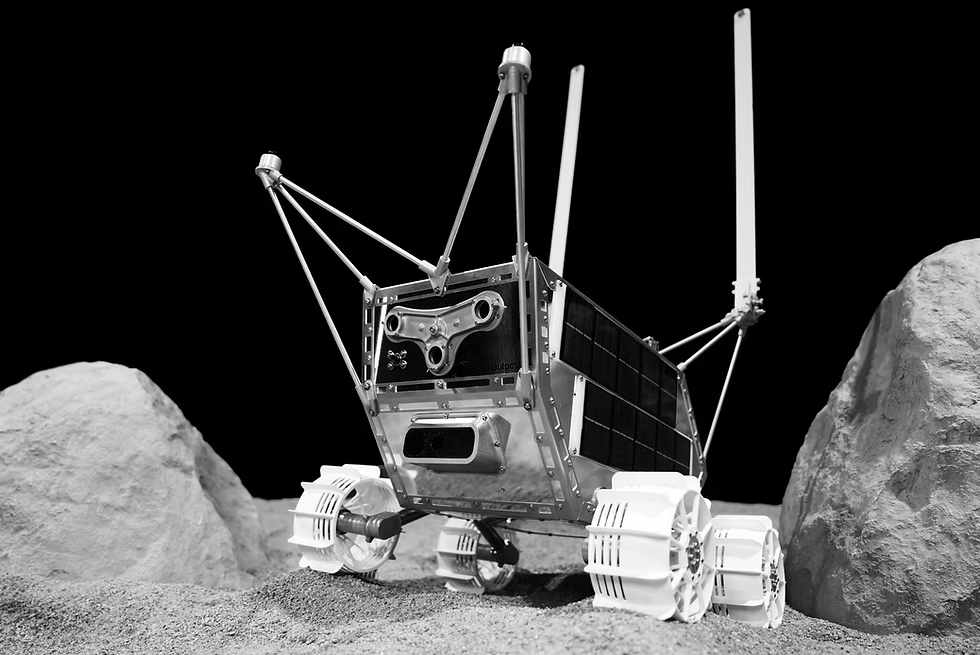
Lunar Outpost (Credit: Lunar Outpost)
“In response to NASA saying, ‘Hey, we want to get this done and we want to get it done now,’ we decided to open a quick fundraise,” CEO Justin Cyrus told Reuters in an interview.
Cyrus said the round drew far more interest than the company planned to accept. According to him, investors expressed interest worth roughly $90 million, though Lunar Outpost capped the raise at $30 million to stay focused on near-term lunar operations.
The surge in investor appetite reflects a broader shift happening across the commercial space sector. For years, startups targeting cislunar infrastructure struggled to attract large pools of capital due to long development cycles and uncertain government demand. Artemis changed that equation.
“One thing that’s been a constraint so far for companies looking to operate in cislunar space has been capital. That no longer exists,” Cyrus said.
Cislunar space refers to the region between Earth and the moon, an area NASA and private companies increasingly view as the next major economic zone for space activity.
Lunar Outpost is competing against Astrolab and Intuitive Machines to build the rover NASA astronauts could eventually drive across the lunar surface during Artemis missions. Future contracts tied to the program could be worth billions of dollars over the next decade.
NASA’s Artemis strategy, first introduced during President Donald Trump’s first administration, aims to establish permanent infrastructure on the moon, including habitats, vehicles, and systems that support recurring astronaut missions. The agency expects the broader effort to cost more than $30 billion over the coming years.
NASA launched its second Artemis mission in April, sending four astronauts around the moon and back in preparation for the first crewed lunar landing since Apollo 17 in 1972.
For Lunar Outpost, the message from NASA appears clear: get to the moon faster, or risk falling behind.