SpaceX files $55B Terafab chip factory plan in Texas as Musk doubles down on AI chips
 Nickie Louise
Posted On May 6, 2026
Nickie Louise
Posted On May 6, 2026
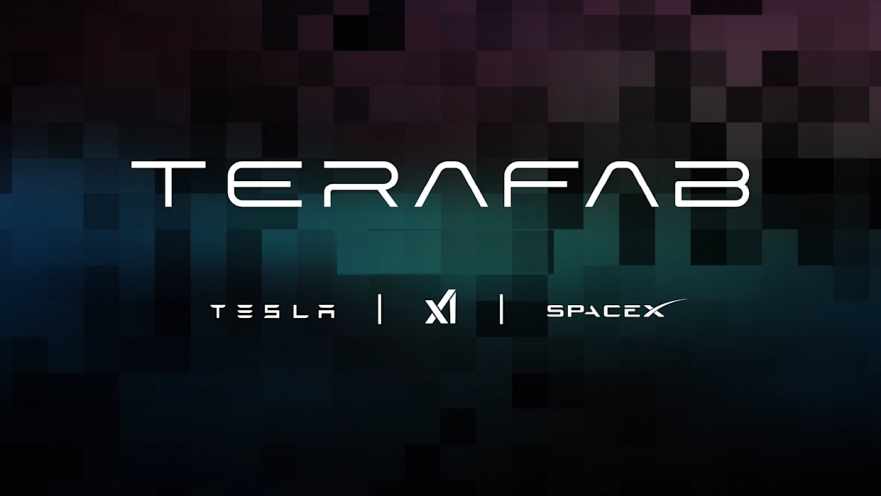
SpaceX has filed plans to invest $55 billion in a new semiconductor facility in Texas, a project called Terafab that could grow into a $119 billion buildout if later phases move forward. The filing, made public on Wednesday, outlines an unusually ambitious push to bring chip production inside Elon Musk’s expanding network of companies, as he takes a direct shot at one of the biggest bottlenecks in AI: chips.
The proposed site sits in Grimes County, where local officials are expected to review a property tax abatement tied to a newly created reinvestment zone, Reuters reported. If approved, the facility would anchor a multi-phase manufacturing and advanced computing complex aimed at boosting chip production in the United States at a time when supply chains remain under pressure.
Terafab is more than a factory. It reflects a broader shift across Musk’s businesses, where demand for compute has surged. The project ties together Tesla, SpaceX, and xAI under one umbrella, with a clear goal: build the chips they can’t get fast enough elsewhere.
That urgency shows up in the details. SpaceX flagged plans to “manufacture our own GPUs” as part of “substantial capital expenditures” outlined in its S-1 registration. The company acknowledged it still depends heavily on outside suppliers and lacks long-term agreements with many of them, a vulnerability that has become more visible as demand for AI hardware climbs.
The move places SpaceX alongside companies trying to reduce reliance on established chipmakers such as Samsung Electronics and Taiwan Semiconductor Manufacturing Company. Musk has already signaled that Terafab will lean on external expertise where needed. During Tesla’s first-quarter earnings call, he said the facility would use Intel’s 14A process to produce chips.
The scale of the project stands out even in an industry used to large numbers. SpaceX estimates the initial phase at $55 billion, with the full buildout potentially more than doubling that figure. Analysts point out that reaching the capacity Musk has outlined would require sustained investment well beyond the first phase.
The timing is not accidental. SpaceX is targeting a June IPO that could value the company at roughly $1.75 trillion, adding pressure to show how it plans to secure the infrastructure needed for its next chapter. Earlier this year, SpaceX moved to tighten its AI strategy by acquiring xAI in a deal centered on building space-based data centers. The combined entity was valued at $1.25 trillion.
Terafab sits at the center of that strategy. The facility is expected to supply chips for Tesla’s self-driving systems, humanoid robots, and large-scale AI data centers. It reflects how quickly compute demand is rising across Musk’s ecosystem, from cars to rockets to software.
There are still open questions. SpaceX’s filing cautions that there is no guarantee the company will meet its Terafab goals within expected timelines, or at all. Execution risk remains high in semiconductor manufacturing, where delays and cost overruns are common.
The bigger picture is clear. The United States is pushing to expand domestic chip production amid geopolitical tensions that are reshaping global supply chains. Terafab fits squarely into that effort, with one of the most aggressive private-sector bets on chip independence yet.
If the project moves ahead as planned, SpaceX will no longer be just a consumer of advanced chips. It will be competing to build them.
Trending Now
Top Tech News Today, April 17, 2026