Moment Energy raises $40M to turn used EV batteries into power for AI data centers
 Nickie Louise
Posted On May 5, 2026
Nickie Louise
Posted On May 5, 2026
The rush to build AI is starting to hit a physical limit. It is not chips or models this time. It is electricity. Across the U.S. and Canada, data centers are drawing more power than grids were built to handle. New capacity takes years to come online. Utilities are under pressure. Developers are hunting for anything they can deploy faster.
Austin, Texas-based Moment Energy thinks the answer is already sitting in parking lots and garages.
The startup has raised $40 million in a Series B round to turn retired electric-vehicle batteries into large-scale energy-storage systems for data centers and industrial users. The new funding brings the total capital raised to more than $100 million.
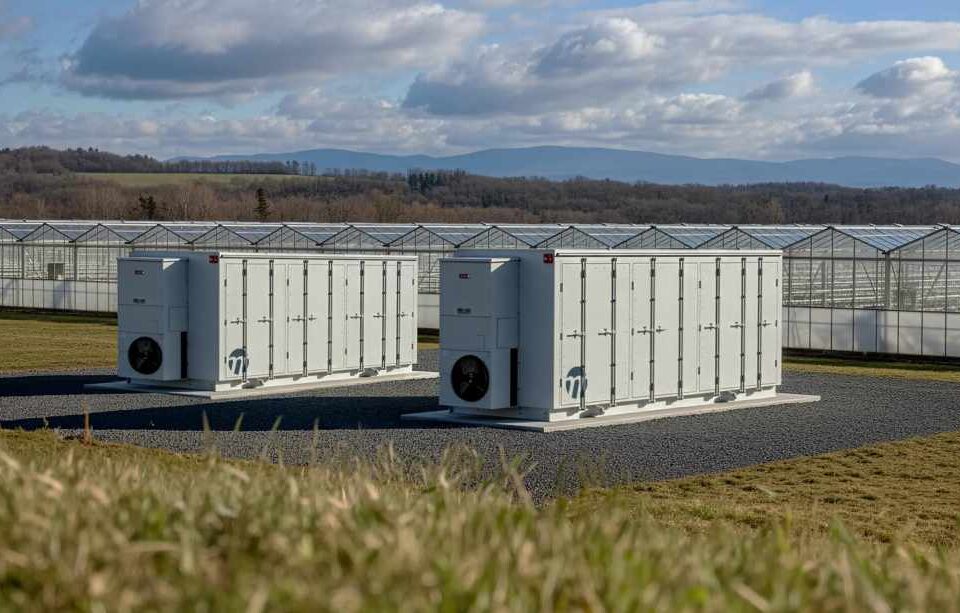
The pitch is simple. Millions of EV batteries still hold significant capacity after they are no longer fit for cars. Instead of sending them straight to recycling, Moment Energy repackages them into storage systems that can support the grid or sit directly alongside energy-hungry facilities like data centers.
The timing is not accidental. Demand from AI workloads is climbing, and power availability is starting to shape where new data centers can be built. In some regions, projects are being delayed or scaled back after running into grid constraints. That gap has opened the door for alternatives that can be deployed faster and at a lower cost.
Moment Energy’s approach leans on a growing supply of used batteries already on the road. The company positions this as a domestic resource, one that avoids long manufacturing lead times and reduces exposure to global supply chain risks tied to new battery production.
“As energy demand continues to increase, Moment Energy is focused on one mission: improving grid resilience and reducing energy costs,” said Edward Chiang, Co-Founder and CEO of Moment Energy. “We are building a new generation of energy infrastructure that can be deployed rapidly, manufactured domestically, and powered by existing battery resources.”
The company has moved past small pilot projects and into commercial deployment. It has secured safety certifications, including UL 1974 and UL 9540A, which allow its systems to be installed in buildings without special exemptions. That removes a key barrier that has held back second-life battery projects in the past.
Under the hood, the company uses a pack-swapping architecture that extends the lifespan of its systems to around 30 years. Traditional battery storage systems often last around 15 years. Stretching that timeline changes the economics. Moment Energy says it can cut costs by up to three times, with energy storage priced as low as about 3 cents per kilowatt-hour for industrial users.
Density is another part of the equation. The company claims its systems can deliver up to 164 megawatt-hours per acre. That matters in places where space is limited, including urban data center sites where every square foot carries a premium.
The funding will go toward expanding manufacturing across North America, including a large-scale facility in Texas that the company describes as the biggest second-life battery factory of its kind. It plans to scale production to meet demand from utilities, industrial operators, and data center developers looking for faster ways to secure energy capacity.
Investors are betting that this is more than a niche. The round was led by Evok Innovations, with participation from Liberty Mutual Investments, W23 Global Fund, and Acario, the venture arm of Tokyo Gas. Existing backers include Amazon’s Climate Pledge Fund, Voyager Ventures, and In-Q-Tel.
For now, the broader question is how far this model can scale. The supply of used EV batteries will grow over time, but its growth depends on the pace of electric vehicle adoption and retirement cycles. At the same time, demand from AI infrastructure is rising now, not years from now.
That tension may work in Moment Energy’s favor in the near term. Data center operators are under pressure to move quickly, and solutions that can be deployed without waiting on new grid infrastructure are getting attention.
If the bet holds, yesterday’s car batteries could become a key piece of tomorrow’s AI stack.
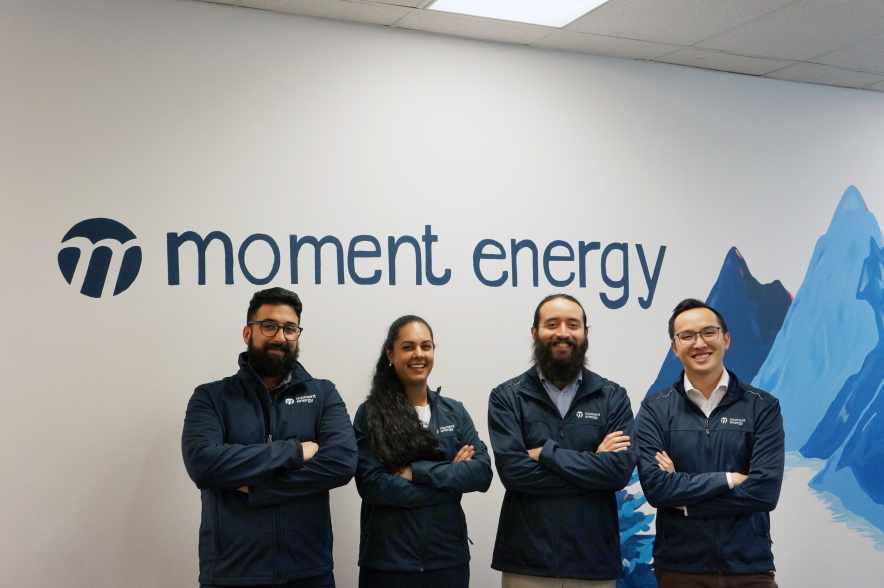
Moment Energy Team (Courtesy: Moment Energy)