Bret Taylor’s AI startup Sierra raises $950M at $15.8B valuation as demand for AI agents surges
 Nickie Louise
Posted On May 4, 2026
Nickie Louise
Posted On May 4, 2026
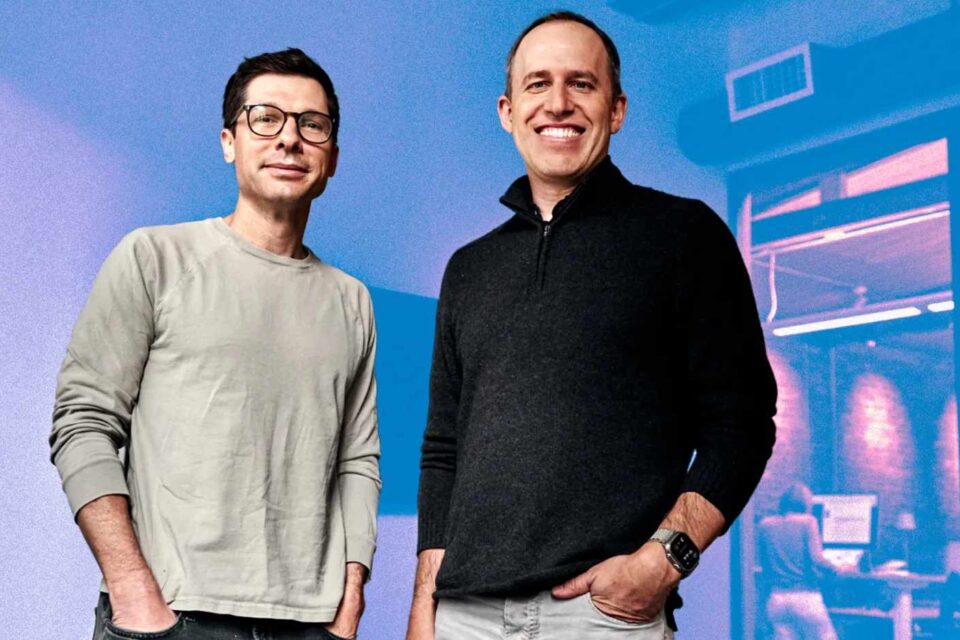
Sierra, the AI startup founded by Bret Taylor, has raised $950 million in new funding at a $15.8 billion post-money valuation, according to CNBC. The raise lands in the middle of a deal surge, as investors race to back companies they believe can define the next phase of AI.
The San Francisco-based company was launched three years ago by Taylor and Clay Bavor, a longtime Google leader who oversaw virtual reality efforts and Google Labs. Taylor’s track record spans leadership roles at OpenAI, Salesforce, and Facebook, and he served as Twitter’s chairman during Elon Musk’s acquisition. The two founders first crossed paths at Google, where Taylor helped build Google Maps, and Bavor led some of the company’s more experimental initiatives.
Sierra is focused on AI-powered customer service agents, a category gaining traction as companies look to replace traditional call centers with software that can handle conversations at scale. The company builds on foundation models from OpenAI and Anthropic, layering its own fine-tuned systems on top. Taylor describes the approach as a “constellation of models,” combining multiple systems to deliver more reliable responses.
Growth has been swift. Sierra crossed $150 million in annual recurring revenue in just eight quarters, a pace rarely seen in enterprise software. That trajectory points to a shift already underway inside large organizations.
From $4.5B to $15.8B: Sierra’s rapid rise in under two years
TechStartups first covered Sierra in October 2024, when the company secured $175 million at a $4.5 billion valuation, offering an early look at a startup that has since accelerated into one of the fastest-growing players in enterprise AI.
“There’s a really big addressable market and immediate opportunity,” Taylor told CNBC. “We’ve sort of digitized the last remaining analog channel, which is the telephone line — it’s a better experience. You don’t need to wait on hold. These agents are naturally multilingual.”
Taylor estimates that companies spend roughly $400 billion each year on customer service. A growing share of that budget is moving toward AI-driven systems that can handle calls, chats, and support requests without human agents on every interaction.
The new round, led by Tiger Global and Google’s GV, includes participation from Benchmark, Sequoia, and Greenoaks. It gives Sierra fresh capital to stay ahead in a field that’s getting crowded. AI coding tools such as Cursor and Replit have drawn attention, though Taylor sees customer service agents as the next major wave.
“There’s just a lot of competition. We are multiples larger than the next biggest and are trying to invest aggressively so that we can continue to expand our lead,” Taylor said.
Sierra’s customer list leans heavily toward large enterprises, including Prudential, Cigna, Blue Cross Blue Shield, and Rocket Mortgage. The company says it works with more than 40 percent of the Fortune 500, a sign that even traditionally slow adopters are moving quickly on AI.
Benchmark partner Peter Fenton, an early backer, pointed to the speed of Sierra’s revenue growth compared to earlier generations of software companies.
“It’s ridiculous how quickly that happened,” Fenton said. “Sierra is by all measures the winner in the ‘customer experience’ category, if measured by objective facts like scale of revenue and quality of customer base.”
He added that the size of the funding round gives Sierra room to keep pushing ahead as rivals enter the space.
“You’re seeing some industries that historically have been slower to adopt realize that a watchful, waiting approach in AI is a path to extinction.”
Taylor, who sits at the center of the current AI boom through his role at OpenAI, views this period as similar to the early internet era, when new leaders emerged and reshaped entire industries. He expects a shakeout over the next couple of years as capital tightens and weaker players fall away.
“When there’s this much authentic excitement about a market, you end up with too much capital, and too many companies,” Taylor said, forecasting a “culling effect” where capital dries up for all but the market leaders.
For now, Sierra plans to stay private. An IPO remains on the horizon, though Taylor sees value in holding off as the company scales and the market sorts itself out.
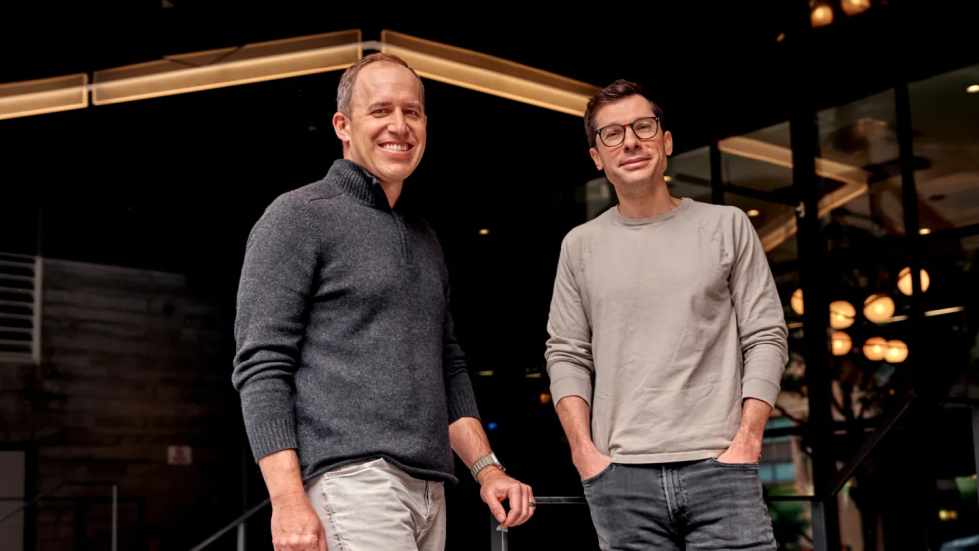
Sierra founders Bret Taylor, Left, launched Sierra, a conversational AI platform for businesses, with former Google executive Clay Bavor, right.
Trending Now
Top Tech News Today, April 17, 2026