OpenAI misses revenue and user targets ahead of IPO, raising questions about its $100B AI spending
 Daniel Levi
Posted On April 28, 2026
Daniel Levi
Posted On April 28, 2026
OpenAI fell short of internal revenue and user growth targets in recent quarters while racing toward a potential initial public offering (IPO), The Wall Street Journal reported. The miss lands at a critical moment, with the company committing tens of billions to secure the computing infrastructure needed to stay ahead in the AI race.
The shortfall comes as OpenAI ramps up spending on data centers and talent to support its most advanced models, raising fresh questions about how quickly that investment can translate into sustainable growth as it approaches its expected market debut.
“OpenAI recently missed its own targets for new users and revenue, stumbles that have raised concern among some company leaders about whether it will be able to support its massive spending on data centers. Chief Financial Officer Sarah Friar has told other company leaders that she is worried the company might not be able to pay for future computing contracts if revenue doesn’t grow fast enough,” the Wall Street Journal reported, citing people familiar with the matter.
Can OpenAI Turn Heavy AI Investment Into Profitable Growth Before Its IPO?
The gap between growth expectations and actual performance is starting to draw attention inside and outside the company. Finance chief Sarah Friar has raised concerns about the sustainability of that spending if revenue does not accelerate. She is now working with leadership to rein in costs, with the board taking a closer look at large-scale compute agreements that have defined OpenAI’s strategy.
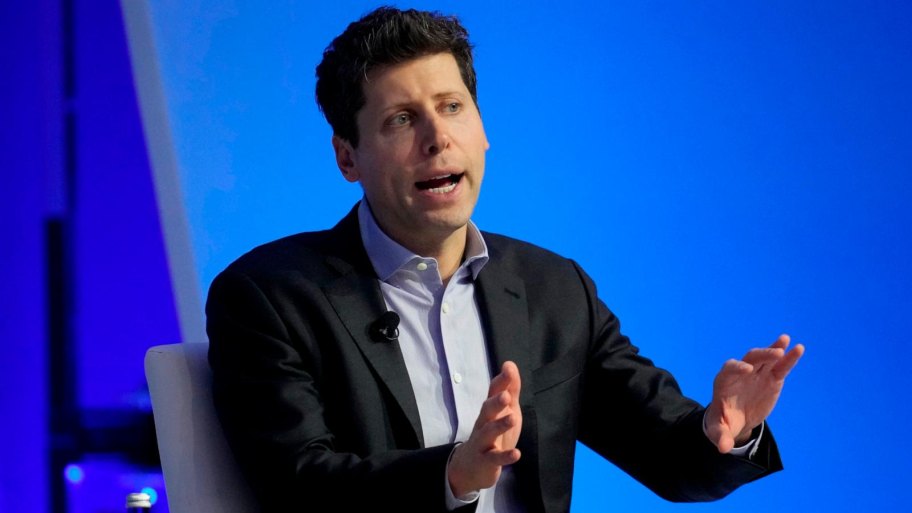
At the same time, CEO Sam Altman is signaling no slowdown in ambition. “This is ridiculous,” OpenAI CEO Sam Altman and Friar said in a joint statement to CNBC. “We are totally aligned on buying as much compute as we can and working hard on it together every day.”
That tension—between aggressive investment and slower-than-expected growth—is starting to ripple across the market. Shares of major tech and chip players, including Oracle, dipped following the report, reflecting how closely many of these companies have become tied to OpenAI’s spending.
The scale of those commitments is hard to ignore. OpenAI has locked in massive infrastructure deals to fuel its models, including a reported $300 billion, five-year agreement with Oracle. NVIDIA has committed billions more to support the ecosystem. The company recently expanded a major partnership with Amazon and added another $100 billion to an existing $38 billion arrangement tied to computing capacity.
At the same time, OpenAI is reshaping its long-standing relationship with Microsoft, which has invested more than $13 billion since 2019. The updated terms cap revenue-sharing payments and loosen Microsoft’s exclusive access to OpenAI’s intellectual property. That shift signals a broader move toward independence as the company prepares for life as a public entity.
All of this is unfolding against the backdrop of an IPO that could set the tone for how the market values AI companies built on heavy infrastructure spending. OpenAI’s strategy depends on scaling faster than its costs rise. The recent shortfall raises a simple question investors will be watching closely: Can the company turn massive demand for AI into sustainable financial performance before it steps onto the public stage?