Afresh raises $34M to bring AI to grocery supply chains and cut food waste
 Nickie Louise
Posted On April 21, 2026
Nickie Louise
Posted On April 21, 2026

Afresh just pulled in $34 million at a moment when grocery retailers are under pressure to fix one of their oldest problems: fresh food doesn’t wait.
Every day, grocers make millions of calls on what to order, how much to stock, and what to put on shelves. In a global industry worth roughly $10 trillion, those calls carry real consequences. Get it wrong, and shelves go empty, or food gets tossed. Margins are thin, and waste adds up fast. Software has helped with packaged goods for years. Fresh items like produce, meat, and seafood have remained harder to manage.
That gap is where Afresh has spent the past several years building its business. The company, which develops AI software for grocery operations, said Tuesday it raised $34 million in a new funding round co-led by Just Climate, part of Generation Investment Management, and High Sage Ventures, with participation from existing backers.
AI Meets Grocery: Afresh Raises $34M to Tackle Waste and Supply Chain Chaos
The pitch is straightforward: bring real-time decision-making into parts of the store that still rely on guesswork. Fresh food behaves differently from shelf-stable inventory. Demand shifts with weather, local events, and timing. Shelf life can be measured in days. Data is often incomplete or out of sync across systems. Afresh’s platform is built with those constraints in mind, feeding store-level and supply chain decisions with constantly updated signals.
“We’ve spent nearly a decade building AI to solve the complexity of grocery, and we’re now seeing that approach scale across the industry,” said Matt Schwartz, CEO and Co-Founder, Afresh. “The decisions AI makes in grocery aren’t about optimizing pixels on a screen — they’re about physical products with shelf lives measured in days, moving through a supply chain that feeds billions of people. Our platform orchestrates those decisions at scale, so buyers, store teams, and merchandisers can spend less time on routine execution and more time on the strategy and judgment that drive outcomes.”
Afresh’s software is already deployed across more than 12,500 departments in 40 states. Its customer list includes large U.S. grocery operators such as Albertsons, Meijer, and Wakefern. The company says retailers using its system have seen up to a 25% drop in shrink, a 3% lift in sales, and a 7% improvement in inventory turnover.
The timing of the raise reflects a broader shift inside grocery chains. Many retailers spent the past few years testing AI in limited pilots. Now, more are moving those tools into day-to-day operations across stores and distribution centers. Afresh says more than 60% of its lifetime order volume has come in the past year, a sign that adoption is accelerating as customers roll out the software at scale. The company reports 70% year-over-year revenue growth over that same period as it expands from fresh food into a wider set of use cases, including full-store ordering, production planning, and supply chain coordination.
“HighSage has been invested in Afresh for many years, and our conviction has only grown,” said Owen Wurzbacher, Chief Investment Officer at High Sage Ventures. “Afresh has an exceptional team, a happy and rapidly growing list of customers, and a differentiated platform. Their best days lie ahead. This was an easy moment to grow our investment.”
Food waste sits at the center of the problem Afresh is trying to address. Roughly 30% to 40% of food is lost across the broader system. For grocers, that loss shows up in missed sales and thinner margins. The impact goes further. Decisions made at the store level ripple back through farms, processors, and logistics networks. Ordering too much or too little affects what gets grown, shipped, and ultimately discarded.
“Food waste is one of the most critical and overlooked drivers of emissions in the food system,” said Libby Spalding, Director at Generation Investment Management. “Afresh’s AI platform strengthens the demand signal at the retail and distribution center levels, which have outsized upstream consequences. The results mean stronger margins for retailers and lower emissions for the system.”
Afresh says its platform has already helped prevent more than 200 million pounds of food from going to waste. The new funding will go toward deeper rollouts with existing customers and continued work on its next-generation AI systems.
TechStartups previously covered Afresh in 2020 after the San Francisco-based startup raised $12 million in Series A follow-on funding to accelerate its push to cut food waste and improve grocery margins, bringing its technology to more retail partners.
The company’s broader bet is that better day-to-day decisions inside grocery stores can add up to meaningful gains across the entire food system. For an industry built on perishable goods and tight margins, that shift is starting to move from theory into practice.
The company’s broader bet is that better day-to-day decisions inside grocery stores can add up to meaningful gains across the entire food system. For an industry built on perishable goods and tight margins, that shift is starting to move from theory into practice.
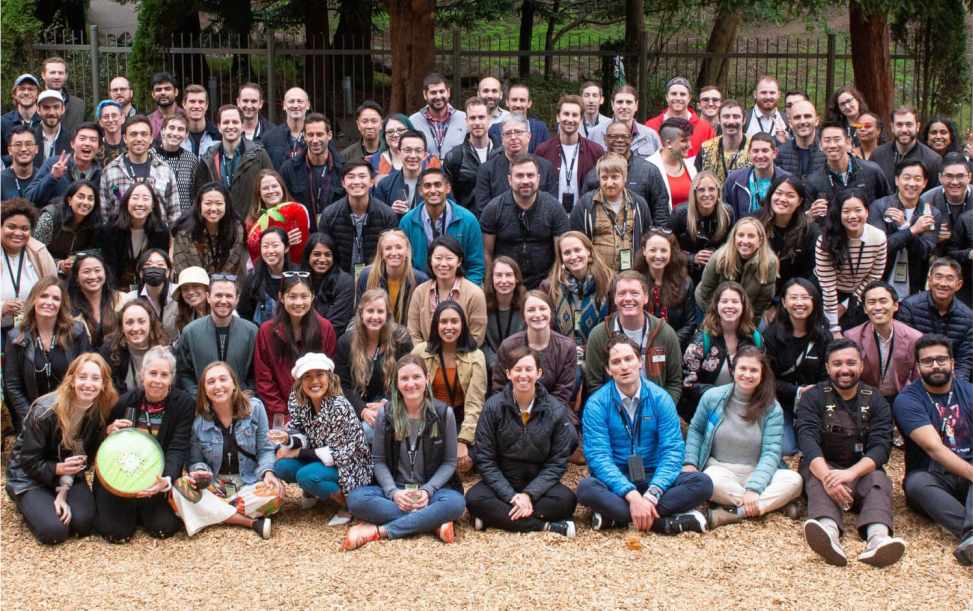
Afresh Team