Elon Musk tightens grip on SpaceX with $1.4B share buy ahead of historic IPO
 Daniel Levi
Posted On April 21, 2026
Daniel Levi
Posted On April 21, 2026
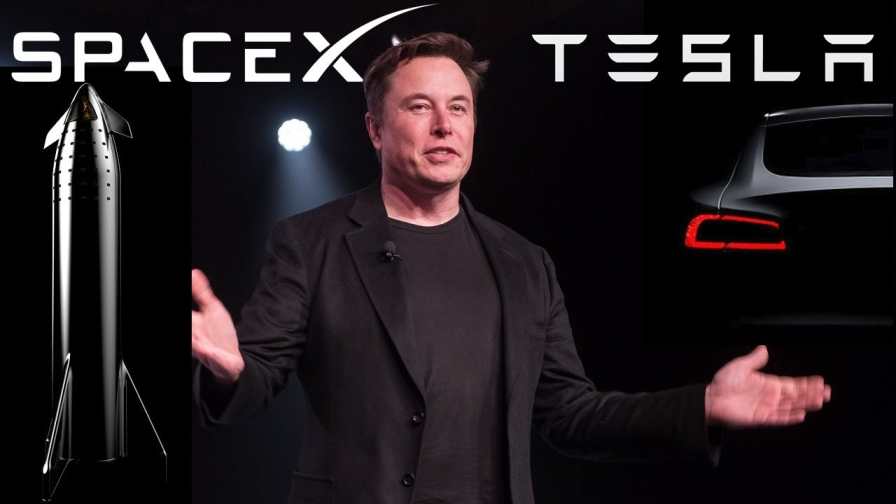
Elon Musk is putting more of his own money into SpaceX just as the company edges closer to a public debut that could rewrite IPO history. The billionaire quietly purchased $1.4 billion worth of SpaceX shares from current and former employees last year, a move disclosed in a draft of the company’s confidential IPO prospectus, according to an exclusive report by The Information.
The transaction didn’t involve new shares issued by the company. Instead, Musk bought directly from employees seeking liquidity, tightening his grip on ownership at a moment when outside investors are about to enter the cap table.
“Elon Musk increased his stake in SpaceX last year by purchasing $1.4 billion of stock from current and former employees, part of a series of moves leading up to the company’s initial public offering that increased his sway over the company,” The Information reported.
“The large secondary stock purchase was made through the mega-billonaire’s trust. It was disclosed in a draft of SpaceX’s confidential IPO prospectus reviewed by The Information. The document also revealed a new plan to award Musk with tens of millions of shares if SpaceX’s market cap increases to as high as $6.6 trillion.”
The timing is hard to ignore. SpaceX is laying the groundwork for what could become the largest IPO ever, and Musk appears intent on walking into that moment with as much control as possible.
The same filing reveals a new compensation plan that raises the stakes even further. SpaceX’s board approved a performance-based award that could grant Musk up to 60 million additional shares. The catch: the company’s valuation would need to climb from roughly $1.1 trillion to as high as $6.6 trillion. The shares would vest in stages, unlocking every $500 billion in added market value, tied to a sweeping initiative to build data centers in orbit for AI developers.
It’s a bold bet that links SpaceX’s future to one of the most lucrative trends in tech. The idea of running high-performance computing in space may sound ambitious, yet it fits Musk’s long pattern of pushing into areas others avoid. If the plan works, SpaceX would sit at the intersection of satellite infrastructure and AI demand, two markets already pulling in massive capital.
Inside Musk’s $1.4B Power Move to Control SpaceX Before Its Biggest IPO Yet
Musk’s position inside the company is already formidable. Since founding SpaceX in 2002, he has built it into one of the most valuable private companies in the world. He owns roughly 42 to 43 percent of the equity and controls close to 80 percent of the voting power through a dual-class structure. The recent share purchase helps him maintain that balance as more shares circulate ahead of the IPO.
The company’s rise has been driven by a mix of engineering wins and commercial traction. Its Falcon rockets reshaped launch economics, Starlink turned satellite internet into a global business, and Starship continues to push the limits of heavy-lift spaceflight. Each piece feeds into a broader story that investors are now being asked to buy into at a scale rarely seen in public markets.
Behind the scenes, SpaceX has already begun courting Wall Street. Analysts have been invited to tour the company’s Starbase launch site in Texas and a major data center in Tennessee. Executives are aiming for a capital raise in the range of $75 billion, with reports suggesting a significant allocation of shares could be set aside for retail investors, including those outside the United States.
The valuation talk is just as striking. A target near $1.75 trillion has circulated ahead of a possible late-June 2026 debut. That figure alone would place SpaceX among the most valuable companies on the planet on day one. Supporters point to the company’s track record and its ability to turn long-shot ideas into operating businesses. Critics question whether revenue, still in the tens of billions, can justify numbers that high.
For Musk, the strategy looks familiar. Increase ownership, lock in voting control, and tie personal upside to aggressive growth targets. It’s a playbook he has used before, now applied to a company that sits at the center of aerospace, defense, and the next wave of AI infrastructure.
For employees who sold shares, the deal offered a chance to cash out after years of building a private company with limited liquidity. For Musk, it was something else entirely: a way to reinforce his position before the public markets weigh in.
The roadshow is expected to kick off soon. When it does, investors won’t just be evaluating rockets and satellites. They’ll be deciding whether Musk’s latest vision—linking space infrastructure with the future of AI—can support a multi-trillion-dollar bet.