Zum raises $100M from TPG at $1.7B valuation to fix America’s broken school transportation system
 Nickie Louise
Posted On April 16, 2026
Nickie Louise
Posted On April 16, 2026
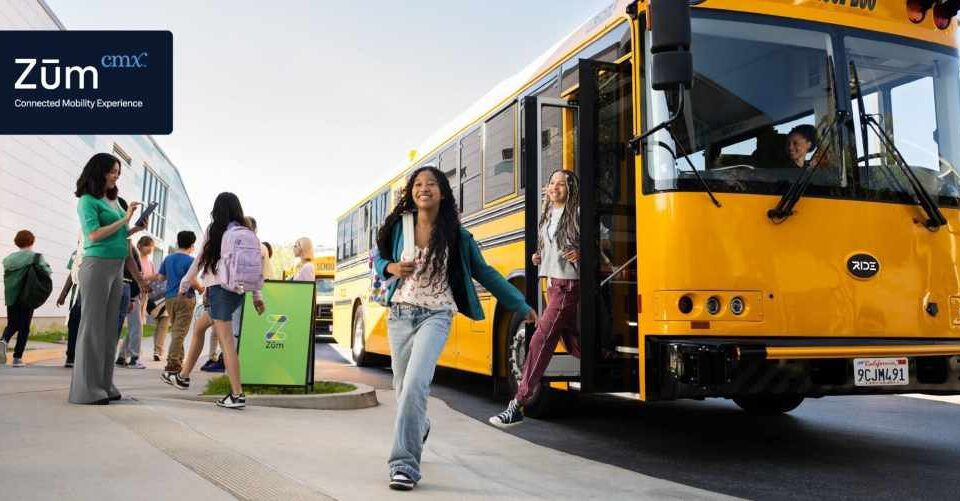
Every morning, millions of families rely on a system that still runs as it did decades ago—late buses, missing updates, and little visibility into where children are or when they’ll arrive. Zum is betting that doesn’t have to be the case.
The student transportation startup has secured a $100 million investment from TPG, pushing its valuation to $1.7 billion and bringing total funding to $430 million. The deal comes through TPG’s Rise Funds, its impact-focused investment arm, and adds Managing Partner Steve Ellis to Zum’s board.
The timing matters. Zum recently rolled out its Connected Mobility Experience platform, or CMX, built to replace a patchwork system that still relies on siloed routing, dispatch, and communication tools. New research tied to the launch puts a number to the problem: more than half of parents say their children feel anxious about school transportation, and the ripple effects add up to an estimated $15 billion in lost learning each year.
Founded in 2016 by Ritu Narayan, Zum is trying to bring software discipline to one of the country’s most overlooked infrastructure layers. Its platform combines route optimization, fleet management, driver coordination, and real-time tracking into a single system. The company pairs that software with electric buses and data-driven operations to reduce inefficiencies across school districts.
“Our ultimate goal is to bring (Zum) to all 26 million students who are taking the student transportation platform every single day,” Narayan told Reuters in an interview.
With $100M from TPG, Zum aims to tackle the $50B student mobility market
The company’s footprint has grown quickly. Zum now works with more than 4,500 schools across 17 states, including major districts like Los Angeles, Boston, San Francisco, Omaha, and Kansas City. It reached breakeven on an adjusted EBITDA basis, a milestone that supported its valuation jump from $1.3 billion at its 2024 Series E round.
The pitch to investors is straightforward. Student transportation is a $50 billion market, yet most of it still runs on outdated systems that were never built for real-time coordination. That gap creates room for a modern platform to take hold.
“This business … is operating in a very large, $50-billion, highly fragmented market,” said Ellis. “None of the existing legacy operators have built a modern, fully integrated technology stack … It creates a real right to win.”
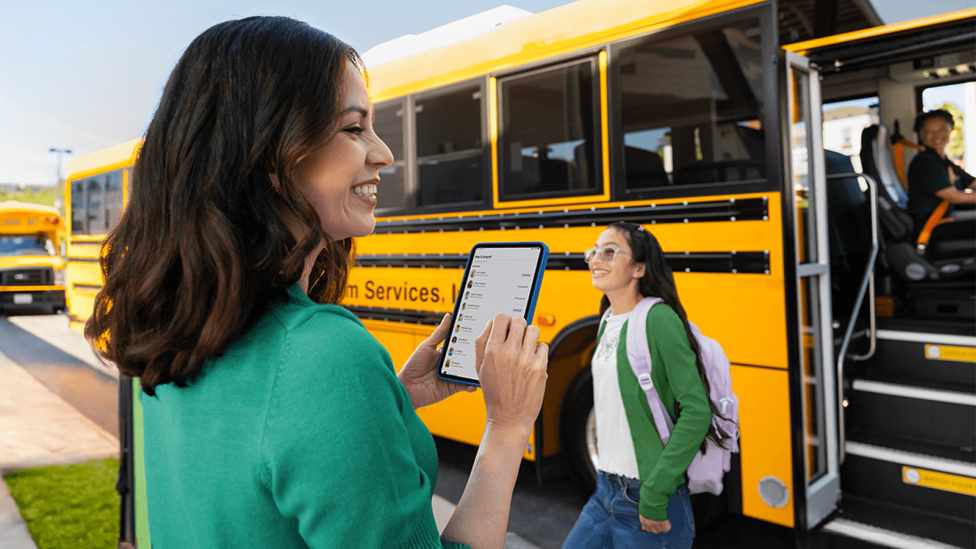
Zum’s CMX platform is already showing measurable results across districts. Schools using the system report higher on-time arrival rates, fewer buses needed per route, and stronger parent satisfaction scores. In San Francisco, the company says districts have cut annual transportation costs by up to 10%.
Narayan frames the problem in broader terms than logistics.
“And the school districts see reduced absences and improved learning outcomes … We’d consider that student transportation is not just about transportation. It’s about access to education,” she said.
That framing is starting to resonate with investors who see transportation as a missing piece in education outcomes. Daily commutes shape attendance, stress levels, and students’ preparedness when they reach the classroom. A system that runs late or fails to communicate affects more than just schedules.
The new funding will help Zum expand into additional states, scale its CMX platform, and continue building out its AI-driven coordination systems. The company is open to acquisitions, though Narayan says organic growth remains the priority. An IPO remains a possibility down the line.
“Every day, millions of students depend on systems that were never designed to work in real time,” said Narayan, Founder and CEO of Zum. “Zum CMX is our answer — a system we have been building and refining across 4,500 schools that brings visibility, coordination, and reliability to daily mobility. This funding allows us to accelerate what we know works and bring it to every student in America.”
Zum isn’t just selling software. It’s trying to reset expectations for how a critical public service should work in real time. If it succeeds, the biggest shift may not be in transportation itself, but in how schools think about the link between infrastructure and learning.
Courtesy: Zum