NanoTech raises $29.4M Series A to protect U.S. infrastructure from extreme heat and wildfires
 Daniel Levi
Posted On April 15, 2026
Daniel Levi
Posted On April 15, 2026
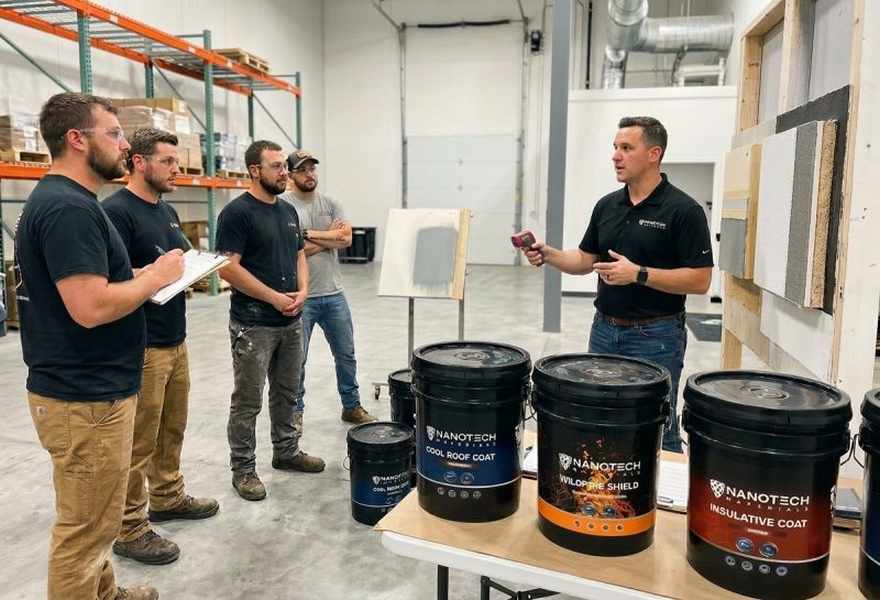
Extreme heat is no longer a seasonal inconvenience. It’s becoming a structural problem for buildings, roads, and public assets across the U.S. At the same time, wildfire risk continues to climb, pushing infrastructure owners to rethink how they protect what they’ve already built. That pressure is creating an opening for companies developing materials that can exceed baseline standards.
NanoTech Materials is stepping into that moment with fresh capital. The Texas-based advanced materials startup has closed a $29.4 million Series A round led by HPI Real Estate & Investments, with participation from Goose Capital and Milliken & Company. The new funding brings its total raised to $34.4 million and gives the company room to scale production and push deeper into commercial and public-sector markets.
The company operates out of a 43,000-square-foot manufacturing facility in Katy, Texas, where it produces coatings built around its patented Insulative Ceramic Particle (ICP) technology. The pitch is straightforward: reduce heat transfer, lower cooling costs, and protect structures exposed to extreme temperatures without sacrificing durability.
“We’re addressing one of the pressing and urgent challenges facing infrastructure owners today: controlling energy costs and extending asset life,” said Mike Francis, CEO and co-founder of NanoTech Materials. “This financing marks a transformative moment for us. It allows us to rapidly scale production and bring our high-performance materials to market faster, while delivering measurable cost savings and redefining what resilience looks like in today’s built environment.”
The timing lines up with a growing energy burden across the country. Buildings account for roughly 37% of U.S. energy consumption, with heating and cooling driving the largest share. NanoTech says its coatings can cut cooling loads by up to 50% in certain deployments by limiting the amount of heat that penetrates roofs and exposed surfaces.
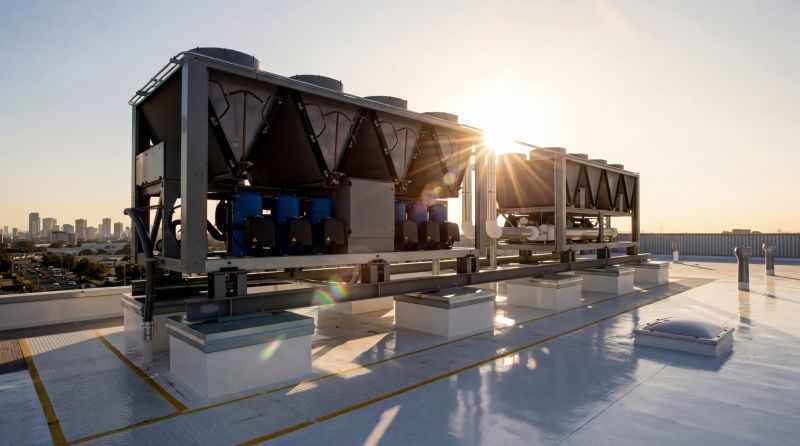
That kind of efficiency is gaining attention from property owners and operators who are seeing energy bills climb alongside temperatures. The company’s product lineup, which includes Cool Roof Coat and Insulative Coat: Cool Touch, is built around that promise of lowering operating costs without requiring major structural changes.
Fire risk is pulling equal focus. Wildfires have already caused billions in losses across Western states, pushing agencies and private operators to invest in protective materials. NanoTech’s Wildfire Shield is engineered to withstand temperatures up to 3,272°F without releasing toxic byproducts. The company has worked with the California Department of Transportation on multiple projects and is involved in developing wildfire protection standards for road infrastructure.
The mix of energy savings and fire resistance is what caught investor interest. D. Kent Lance, Partner at HPI, framed it as a shift in expectations for building materials. “Today’s built environment demands materials that don’t just meet code, but can also outperform the extreme conditions we’re now facing,” he said. “NanoTech Material’s ability to reduce operating costs by strengthening critical infrastructure is exactly the kind of performance-driven innovation this market needs.”
Existing backers are doubling down as the company scales. “We were early investors in Nanotech Materials and are pleased to continue supporting the company as it becomes a leader in breakthrough materials science and technology,” said John D. Chaney, Investor at Goose Capital and Board Member at NanoTech. “NanoTech’s ability to elevate fire resilience and energy efficiency in the built environment is critical for strengthening and hardening infrastructure. Its pioneered approach is transforming current building standards and making our lives safer.”
Milliken, a long-established player in materials science, sees the technology as a practical extension of its own focus. “Innovation is a core value at Milliken, and this investment reflects our belief that materials science and advanced manufacturing can deliver real-world impact,” said Halsey Cook, President and CEO at Milliken. “NanoTech’s differentiated technology brings new capabilities to critical infrastructure challenges where performance and resilience matter most.”
NanoTech is pairing the funding with leadership expansion, adding Todd Overbergen and D. Kent Lance to its board. The move signals a push into its next phase, one focused on scaling manufacturing, securing more government contracts, and broadening adoption across commercial real estate and industrial operators.
The company’s bet is simple: as heat intensifies and wildfire risk spreads, infrastructure owners will pay for materials that reduce long-term costs and prevent catastrophic damage. NanoTech is positioning itself as a supplier for that shift, one coating layer at a time.
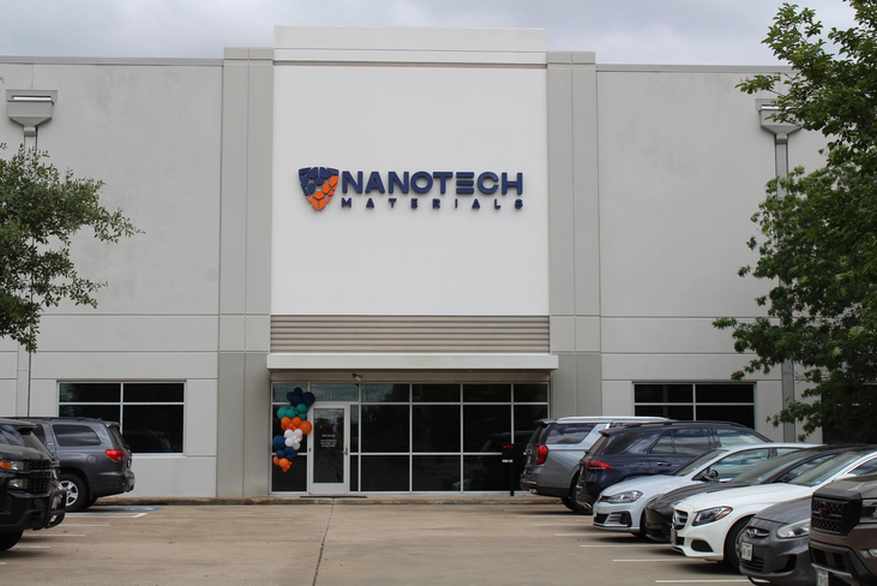
NanoTech Materials (Courtesy: NanoTech Materials)
Trending Now

Top Tech News Today, March 25, 2026