Perplexity revenue surges 50% as AI startup shifts from search to autonomous AI agents
 Nickie Louise
Posted On April 8, 2026
Nickie Louise
Posted On April 8, 2026

Perplexity isn’t just about answering questions anymore. It’s starting to do the work.
The San Francisco AI startup has posted a sharp revenue jump, with annualized recurring revenue climbing past $450 million in March 2026. That marks a 50% increase in a single month, according to figures first reported by the Financial Times. The spike tracks closely with a strategic shift that has been building for months: moving beyond AI-powered search into autonomous agents that can complete real tasks.
At the center of that shift is a new product called the Computer. It’s not a chatbot. It’s an orchestration layer that taps into up to 19 models from providers such as OpenAI, Anthropic, and Google to execute multi-step workflows. The pitch is simple: instead of asking AI for answers, users assign outcomes to it.
“Perplexity revenue jumps 50% in pivot from search to AI agents. San Francisco-based start-up surges from push into more complex and potentially more lucrative AI services,” The Financial Times reported.
Perplexity Computer can review documents, plan campaigns, adjust ad spend on the fly, and generate full U.S. federal tax filings. Perplexity has already started pushing into vertical use cases with features like “Computer for Taxes,” signaling that this isn’t a one-size-fits-all assistant but a system designed to handle specific, high-value tasks.
Perplexity AI’s Pivot Pays Off: Revenue Surges 50% as ARR Crosses $450M on Agent Push
That shift comes with a new pricing model. Perplexity now charges based on usage, with clear token rates, spending limits, and optional control over which sub-models are used. The company’s $200-per-month Max plan includes credits, after which customers pay at near-direct model costs. No markup. It’s a departure from flat subscriptions and reflects the reality that agent-driven workflows demand far more compute.
Early signs suggest customers are willing to pay. In one internal test, a single deployment replaced a $225,000 annual marketing stack over a weekend. That kind of result points to a different category of value—less about convenience, more about cost displacement.
The growth didn’t come out of nowhere. Perplexity has been on a steep trajectory since its 2022 launch under CEO Aravind Srinivas. The company crossed roughly $10 million in ARR in early 2024, approached $100 million by March 2025, and reached about $148 million by mid-2025, according to Sacra estimates. The latest jump to over $450 million in less than a year reflects both rising consumer adoption and deeper enterprise penetration.
User growth has kept pace. Perplexity now reports more than 100 million monthly active users. Computer, which first rolled out to Max subscribers in late February, is expanding to Pro and enterprise tiers, widening the funnel for higher-value workloads.
Investors have been quick to follow. The company’s valuation climbed from $9 billion in late 2024 to $14 billion, then $18 billion, and reached $20 billion by September 2025. Total funding stands at roughly $1.5 billion. The bet is clear: AI agents, not chat interfaces, will define the next phase of the market.
That view is starting to show up across the industry. Gartner projects that 40% of enterprise applications will include task-specific agents by the end of 2026, up from less than 5% a year earlier. Forecasts from Fortune Business Insights suggest the agentic AI market could grow from $9.14 billion in 2026 to $139 billion by 2034.
Perplexity has made another notable move along the way. In February, the company dropped advertising entirely, citing concerns that ads could erode trust in AI-generated outputs. That decision sets it apart from traditional search players and signals a focus on subscription and usage revenue tied directly to performance.
The competitive landscape is shifting with it. Perplexity is no longer just up against search engines. Its new direction puts it in closer competition with enterprise software platforms like Microsoft and Salesforce, where automation, workflow execution, and measurable ROI define success.
Looking ahead, the company had set an internal target of $656 million in ARR by the end of 2026. That once looked aggressive. Now it looks within reach.
The broader story here is less about one company’s revenue spike and more about where AI is heading. The value is shifting away from retrieving information and toward completing tasks. Perplexity’s latest numbers suggest that customers are ready for that shift—and willing to pay for it.
Perplexity, founded in 2022 by former Google and OpenAI engineers, markets itself as an “answer engine” that draws on online sources to provide people with quick, citation-based responses. Backed by more than $1.5 billion from investors including IVP, New Enterprise Associates, and Nvidia, the startup has positioned itself as a challenger to traditional search.
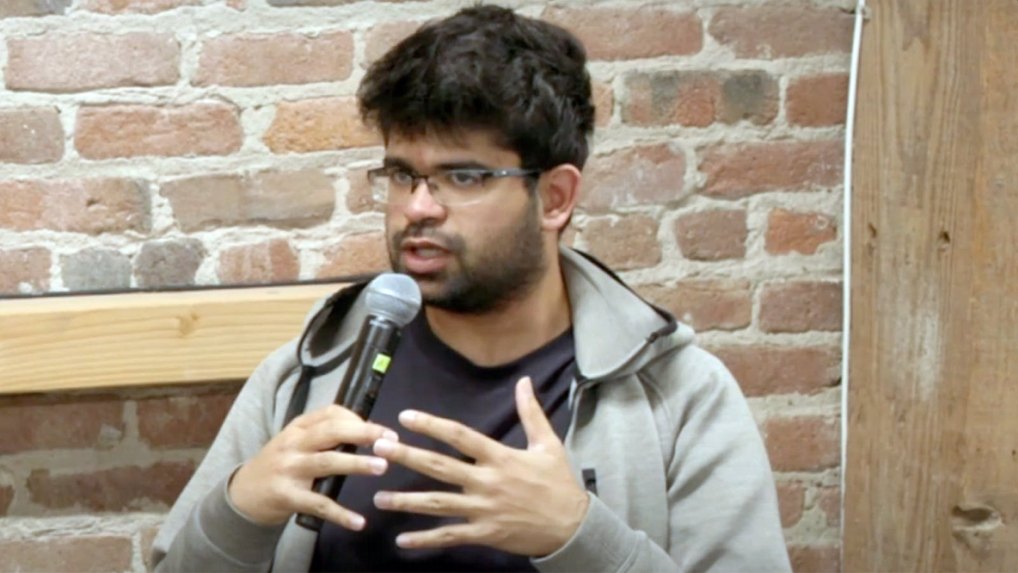
Perplexity Founder and CEO