Nvidia invests $2B in Marvell to power custom AI chips and expand its AI infrastructure ecosystem
 Daniel Levi
Posted On March 31, 2026
Daniel Levi
Posted On March 31, 2026
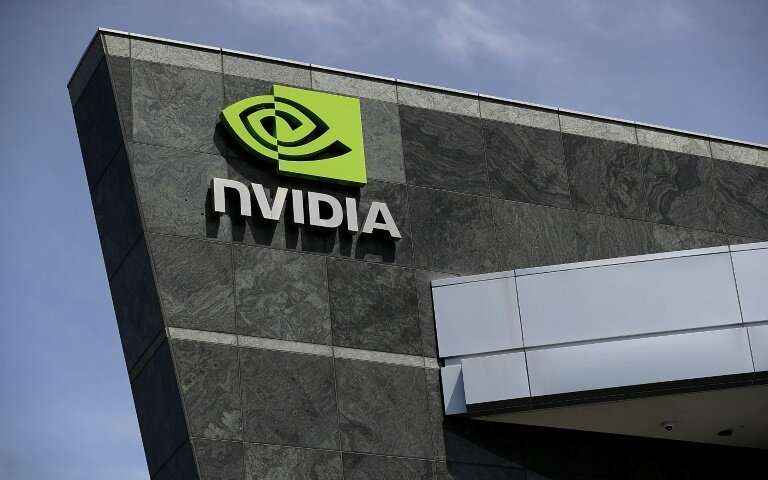
Nvidia just made another decisive move in the race to control the future of AI infrastructure. The chip giant is investing $2 billion in Marvell Technology, tightening its grip on a market that is quickly shifting toward custom-built silicon and specialized networking.
The reaction was immediate. Marvell shares jumped more than 9% in premarket trading on Tuesday, according to CNBC. Nvidia ticked up around 1.5%. The market read the signal clearly: this is about more than a partnership. It’s about positioning.
At a time when major customers are exploring alternatives to standard GPUs, Nvidia is moving to stay embedded at the core of those decisions. The deal links Marvell’s custom chip design capabilities to Nvidia’s broader stack, enabling customers to build specialized AI systems without leaving Nvidia’s ecosystem.
“Through the deal, Nvidia aims to ensure it remains central to meeting the growing computing needs required by AI tools at a time when some companies are opting for custom processors instead of its pricey processors, Reuters reported.
“Together with Marvell, we are enabling customers to leverage Nvidia’s AI infrastructure ecosystem and scale to build specialized AI compute,” said Nvidia CEO Jensen Huang.
Inside Nvidia’s push to stay at the center of the $630B AI infrastructure race
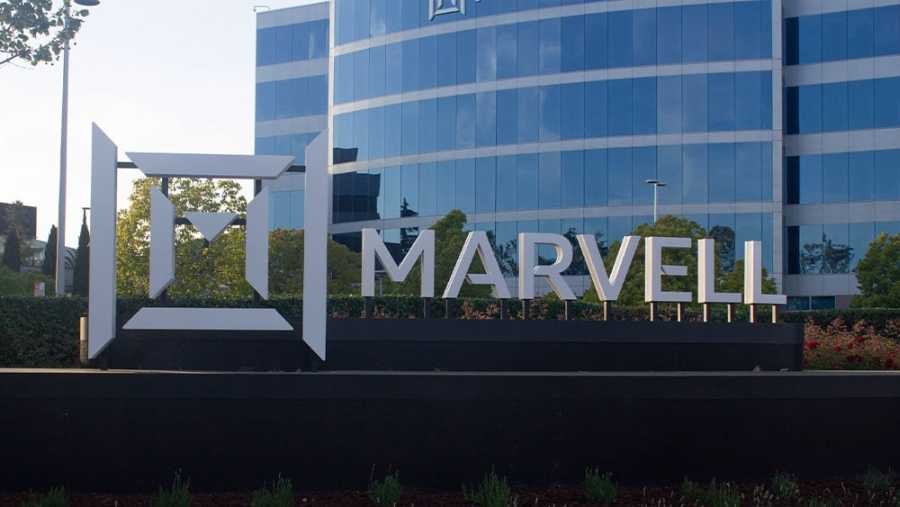
The partnership centers on advanced networking, a critical layer that often gets less attention than GPUs but plays a defining role in how AI systems perform at scale. The two companies will work on optical interconnects and silicon photonics, technologies that enable data to be transmitted faster and more efficiently across massive data center clusters.
Marvell brings custom silicon and networking gear designed to plug into Nvidia’s NVLink Fusion. Nvidia contributes its CPUs, network interface cards, and interconnect technologies. The goal is straightforward: tighter integration, faster performance, and fewer bottlenecks as AI workloads grow more demanding.
“The inference inflection has arrived. Token generation demand is surging, and the world is racing to build AI factories,” said Jensen Huang, founder and CEO of NVIDIA. “Together with Marvell, we are enabling customers to leverage NVIDIA’s AI infrastructure ecosystem and scale to build specialized AI compute.”
“Our expanded partnership with NVIDIA reflects the growing importance of high-speed connectivity, optical interconnect and accelerated infrastructure in scaling AI,” said Matt Murphy, Chairman and CEO of Marvell. “By connecting Marvell’s leadership in high-performance analog, optical DSP, silicon photonics and custom silicon to NVIDIA’s expanding AI ecosystem through NVLink Fusion, we are enabling customers to build scalable, efficient AI infrastructure.”
The timing lines up with a surge in global spending. Alphabet and Meta, along with other large tech companies, are expected to pour at least $630 billion into AI infrastructure this year. That level of investment is reshaping supply chains and pulling companies like Marvell into the spotlight.
Marvell is already riding that wave. The company expects revenue to climb close to 40% and approach $15 billion by fiscal 2028. Tuesday’s announcement added fuel to that outlook.
The news comes just three months after Marvell acquired XConn Technologies in a $540 million deal, as the race to build faster AI data centers intensifies.
“Marvell is a marvelous investment,” Huang told CNBC’s “Squawk on the Street.” “Been dying to say that.”
Beyond the headline number, the deal fits into a broader pattern. Nvidia has been writing $2 billion checks across the AI stack, backing companies such as Synopsys, CoreWeave, Coherent, Lumentum, and Nebius Group. Each investment ties another piece of the ecosystem closer to Nvidia’s platform.
Huang framed it in simple terms. “We’re also smart investors,” he said. “We’ve expanded the [total addressable market] for both of us as a result of this partnership, and we want to be an investor in that.”
The Marvell tie-up leans heavily into semi-custom ASICs, chips built for specific workloads. Hyperscalers are moving in that direction as they seek greater control over performance and costs. Nvidia’s answer is clear: stay involved, even when the silicon isn’t fully its own.
For Marvell, the upside is immediate. The company gains capital, deeper integration with the dominant AI platform, and a faster path into large-scale deployments.
“This just helps turbo-charge our growth and our opportunity, and gives us an infusion of capital that actually allows us to go do that,” CEO Matt Murphy said. “We were doing great on our own, but this is a way for Marvell to actually just really take a leap forward.”
AI has already turned Nvidia into one of the biggest winners on Wall Street, powered by its GPUs that run large language models. This deal shows the next phase of that strategy. Nvidia isn’t waiting for customers to choose between standard chips and custom ones. It’s making sure it plays a role in both.