Mistral raises $830M in funding to build and scale Nvidia-powered AI data centers in Europe
 Nickie Louise
Posted On March 30, 2026
Nickie Louise
Posted On March 30, 2026
Europe’s push to loosen its dependence on U.S. tech giants just picked up serious momentum. Mistral AI has secured $830 million in its first-ever debt financing, according to the Financial Times, marking a turning point for one of Europe’s most closely watched AI startups.
The funding signals growing demand from governments and enterprises that want greater control over their AI infrastructure—and less dependence on companies like Microsoft, Amazon, and Google.
The Paris-based company is moving quickly. It has already laid out plans to invest €4 billion in AI infrastructure, with projects underway in France and Sweden. Its first major facility, located in Bruyères-le-Châtel near Paris, is expected to go live before the end of June. The site will house 13,800 Nvidia GB300 AI chips, making it among the more advanced AI installations in the region, the Financial Times reported.
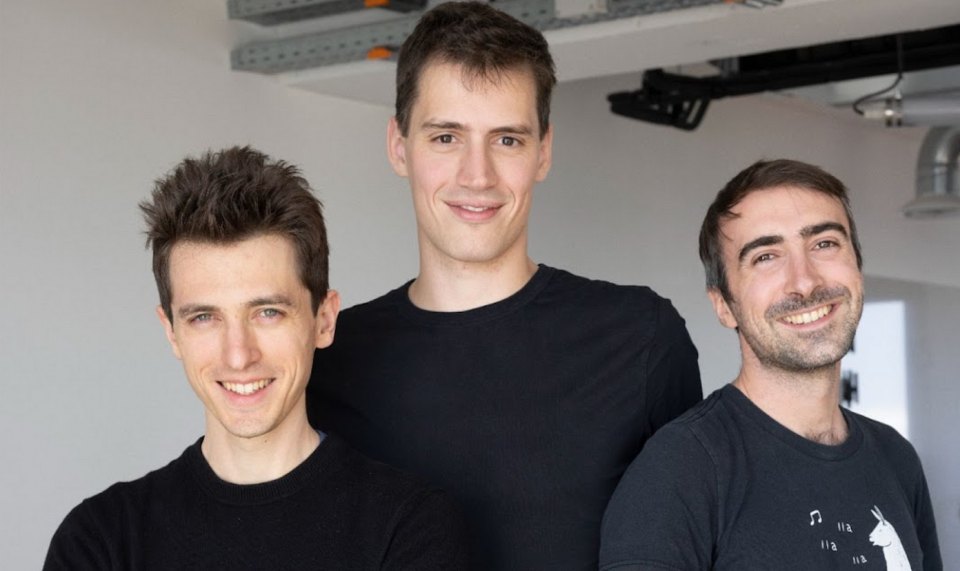
Founded in 2023 by former DeepMind and Meta researchers Arthur Mensch, Guillaume Lample, and Timothee Lacroix, Mistral has moved at a breakneck pace since its launch. The Paris-based startup is best known for its open-source large language models and “Le Chat,” a chatbot built with European audiences in mind.
“Scaling our infrastructure in Europe is critical to empower our customers and to ensure AI innovation and autonomy remain at the heart of Europe,” said chief executive Arthur Mensch.
“We will continue to invest in this area, given the surging and sustained demand from governments, enterprises and research institutions seeking to build their own customised AI environment, rather than depend on third-party cloud providers.”
Europe’s AI race heats up as AI startup Mistral raises $830M in debt funding to build Nvidia-driven data centers
The timing is no accident. European demand for “sovereign AI” has picked up sharply over the past year, driven by geopolitical tensions and concerns about relying on foreign cloud platforms. Mistral has positioned itself as a full-stack provider, offering both AI models and the infrastructure needed to run them. That pitch is resonating. Just over half of its revenue already comes from Europe.
The financing comes at a moment when even the largest tech companies are turning to debt markets to fund AI infrastructure. Amazon, Google, and Meta have each raised tens of billions of dollars in recent months to keep up with demand for compute capacity. The scale of investment required has started to outpace even their sizable cash flows.
That spending spree has raised questions about how quickly these data centers will pay off. Some analysts warn that the pace of construction could lead to excess capacity if demand slows or shifts. For now, the appetite remains strong.
Mistral’s latest financing was backed by a group of largely French banks, including Bpifrance, BNP Paribas, HSBC, and MUFG. The company plans to secure 200 megawatts of AI computing capacity across Europe by 2027, a scale that would put it firmly in the region’s top tier of infrastructure providers.
Its expansion is already taking shape beyond France. A €1.2 billion data center project in Sweden, announced last month, will deliver 23 megawatts of computing power and is expected to come online next year. Mensch said the facility could generate more than €2 billion in revenue over five years, pointing to strong demand from customers willing to commit early.
Mistral’s rise has been swift. The company reached a valuation of nearly €12 billion last year after raising €1.7 billion in equity funding led by ASML. It is on track to surpass $1 billion in annual recurring revenue by the end of this year, according to Mensch.
Even so, the company still trails U.S. rivals like OpenAI and Anthropic in both scale and infrastructure. Europe has relatively few players building frontier AI models, which makes Mistral one of the region’s most closely watched startups.
That gap has sparked a broader push across the continent. In Paris, Yann LeCun, former chief AI scientist at Meta, recently raised more than $1 billion for a new venture focused on advanced AI research.
For Europe, the message is clear. Control over AI is no longer just about software. It’s about who owns the infrastructure—and who gets to set the rules.
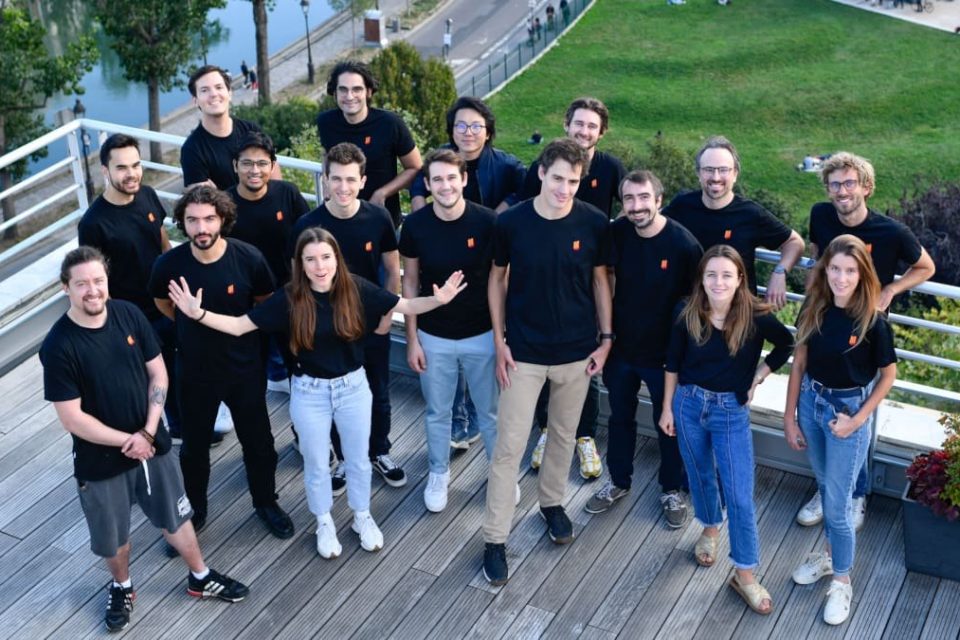
Mistral AI Team