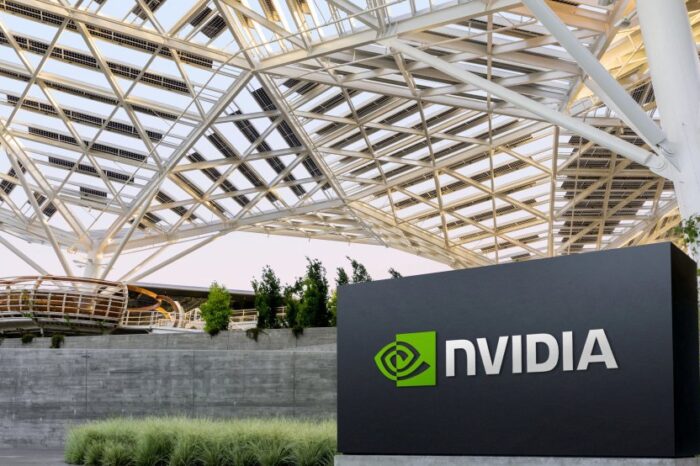
Nvidia-backed startup Reflection eyes $2.5B round at $25B valuation as U.S. open-source AI push takes on China
 Daniel Levi
Posted On March 26, 2026
Daniel Levi
Posted On March 26, 2026

Reflection, the New York-based AI startup founded in 2024 by former Google DeepMind researchers Misha Laskin and Ioannis Antonoglou, is in talks to raise $2.5 billion at a $25 billion valuation, according to a report in The Wall Street Journal citing people familiar with the matter. If completed, the deal would rank among the largest funding rounds ever tied to an open-source AI effort.
“Reflection, a startup backed by chip giant Nvidia NVDA that is leading an effort to create freely available U.S. AI systems, is in talks to raise $2.5 billion at a valuation of $25 billion,” The Wall Street Journal reported, citing people familiar with the matter.
Behind the numbers is a bigger play. Reflection is one of a small group of startups backed by Nvidia working to build a network of open AI models that companies, research labs, and universities can freely use and adapt. The goal is clear: create a U.S.-led alternative that runs efficiently on Nvidia’s chips and stands up to fast-moving competitors overseas.
From $8B to $25B: Reflection’s Rapid Rise Signals Investor Urgency
That context matters. China’s DeepSeek has already shaken assumptions about cost and performance. Its R1 model delivered results comparable to GPT-4, with a training budget of just $6 million, and was released under an MIT license. Moves like that have pushed the entire market toward cheaper, more accessible AI systems.
Reflection sits right in the middle of that shift—and it has powerful backers leaning in. NVIDIA invested roughly $800 million in a previous round, valuing the company at $8 billion. Now, just months later, Reflection is seeking a valuation more than three times higher, even as it has yet to generate meaningful revenue.
JPMorgan Chase is in talks to join the round through its Security and Resiliency Initiative, a program launched in December to support companies tied to national security and critical infrastructure. The bank said it plans to invest up to $10 billion into venture-backed startups through the initiative. Existing investor Disruptive is expected to participate as well.
Reflection declined to comment.
The company’s core focus is automating software development with AI—building systems that can write, test, and maintain code at scale. That focus comes at a moment when enterprises are shifting from experimentation to deployment, seeking tools that can plug directly into real workflows.
At the same time, the competitive field is getting crowded. Meta Platforms has pushed its Llama models into wide circulation, with hundreds of millions of downloads. Mistral AI has carved out a foothold in regulated industries across Europe, raising more than $1 billion. Each company is advancing a different strategy—efficiency, scale, or specialization.
Reflection aims to combine all three.
The open-source approach offers clear advantages: lower costs, faster iteration, and broader adoption across industries. It carries risk as well. Researchers at Cisco recently uncovered vulnerabilities in DeepSeek’s R1 that could be exploited via algorithmic jailbreaking, highlighting the security challenges associated with widely accessible models.
For Reflection, the next phase will come down to execution. The capital is lining up. The backing is strong. The expectations are even higher.
To justify a $25 billion valuation, the company will need to show it can deliver systems that match DeepSeek’s efficiency, keep pace with Meta’s reach, and meet the performance demands that have helped Mistral gain traction in Europe—all while staying true to the open model that is driving this new wave of AI.

Reflection Founders Misha Laskin and Ioannis Antonoglou