OpenAI shuts down Sora video app months after launch, pivots to AI agents and enterprise tools ahead of potential IPO
 Nickie Louise
Posted On March 24, 2026
Nickie Louise
Posted On March 24, 2026
OpenAI is pulling the plug on one of its most talked-about consumer products just months after its debut. On Tuesday, March 24, 2026, the company confirmed it will shut down its standalone Sora video app, along with the API and all video features inside ChatGPT.
The decision, first reported by The Wall Street Journal, marks a clear shift in direction as OpenAI moves away from consumer video tools and puts its weight behind enterprise software, coding systems, and autonomous AI agents.
In a post on X, OpenAI said: “We’re saying goodbye to the Sora app. To everyone who created with Sora, shared it, and built a community around it: thank you. What you made with Sora mattered, and we know this news is disappointing. We’ll share more soon, including timelines for the app and API and details on preserving your work. – The Sora Team.”
We’re saying goodbye to the Sora app. To everyone who created with Sora, shared it, and built community around it: thank you. What you made with Sora mattered, and we know this news is disappointing.
We’ll share more soon, including timelines for the app and API and details on…
— Sora (@soraofficialapp) March 24, 2026
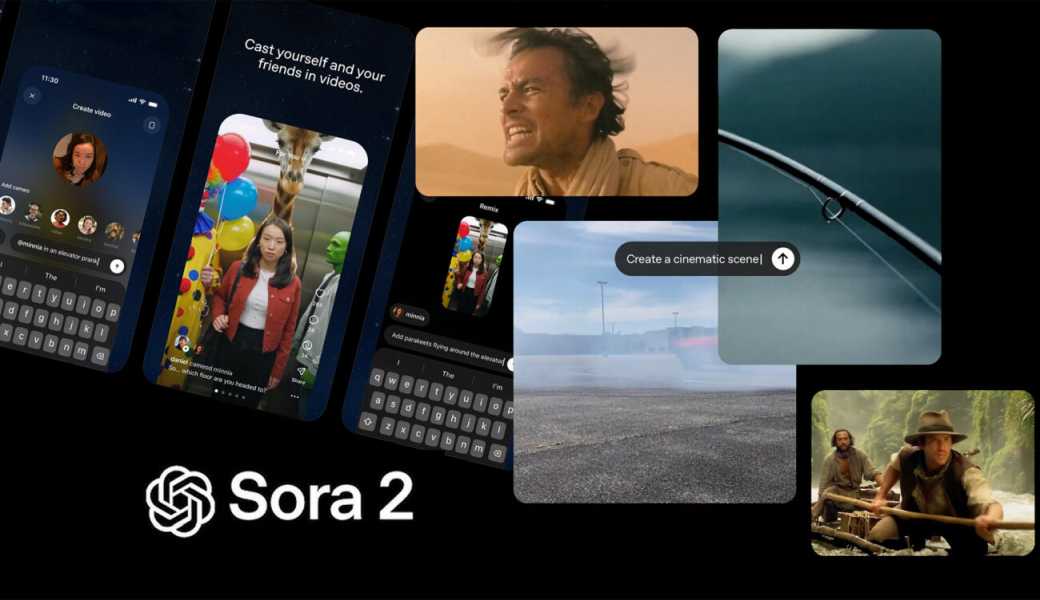
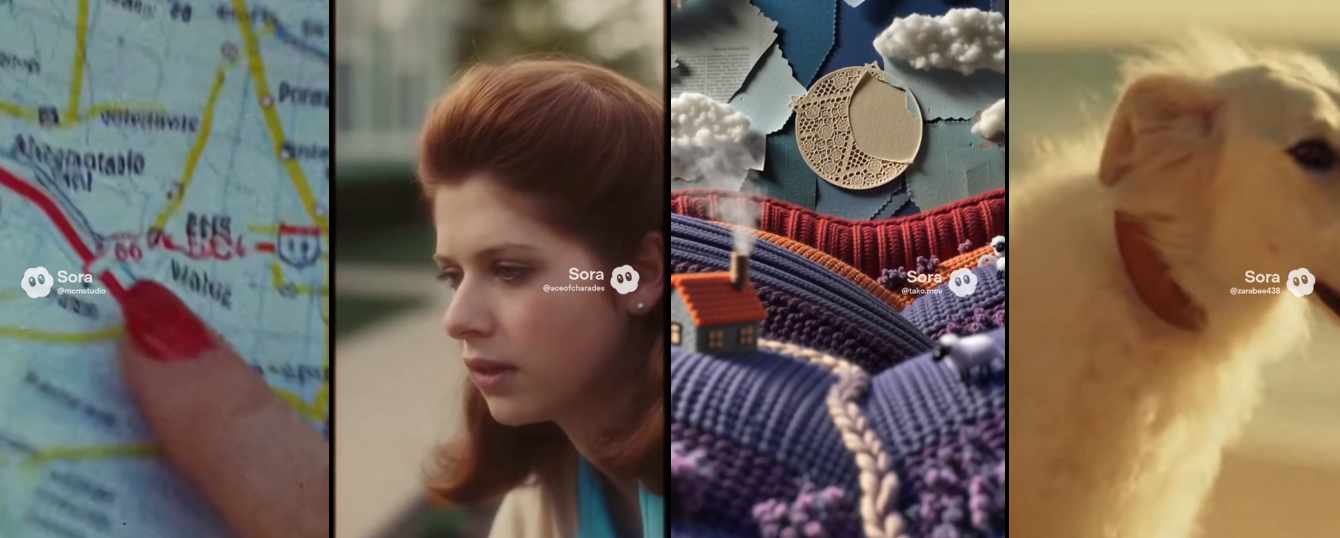
Sora had a strong start. When it launched publicly on December 9, 2024, it gave users a new way to generate short videos from text or images. A more advanced version, Sora 2, arrived in September 2025, alongside a dedicated iOS app that briefly topped Apple’s App Store charts. The product quickly spread across social media, with users creating everything from cinematic clips to TikTok-style content featuring themselves in familiar scenes.
That early momentum came with friction. Concerns around deepfakes, copyright issues, and a wave of low-quality AI-generated videos began to follow the product. Over time, the novelty wore off, and usage failed to match the attention it had initially received.
In a statement, OpenAI said: “We’ve decided to discontinue Sora in the consumer app and API. As we focus and compute demand grows, the Sora research team continues to focus on world simulation research to advance robotics that will help people solve real-world, physical tasks.” The company added on social media, “We’re saying goodbye to Sora… we know this news is disappointing,” and said it will share more details about timelines and how user-generated content will be handled.
From Viral Videos to AI Agents: OpenAI Shuts Down Sora to Chase Enterprise Growth
Behind the scenes, the move reflects a broader internal reset. Leadership has been pushing to cut distractions and channel resources into areas with clearer revenue potential. In recent all-hands meetings, OpenAI’s head of applications, Fidji Simo, has been steering the company toward making ChatGPT a core work tool. Sam Altman reinforced that message this week, urging teams to prioritize coding systems like Codex, which now has around 1.6 million users, as well as enterprise offerings and agent-based systems that can handle tasks such as writing code or analyzing data.
The timing is tied closely to OpenAI’s next chapter. The company is preparing for a potential IPO later in 2026, with its valuation reportedly climbing past $800 billion. That puts pressure on leadership to show steady revenue growth at a time when compute costs continue to rise. “Every day we’re making tradeoffs in how we apply compute across research, product launches, and inference, and we’re prioritizing the highest-value uses that best advance our mission,” OpenAI told CBS News.
One of the most visible ripple effects hits its partnership with Disney. In December 2025, Disney agreed to invest $1 billion and licensed more than 200 characters across its portfolio for use in Sora-generated videos. That plan is now off the table. A Disney spokesperson said the company “respects OpenAI’s decision to exit the video generation business and to shift its priorities elsewhere,” adding: “We appreciate the constructive collaboration between our teams and what we learned from it, and we will continue to engage with AI platforms to find new ways to meet fans where they are while responsibly embracing new technologies that respect IP and the rights of creators.” People familiar with the matter said Disney will not move forward with the equity investment.
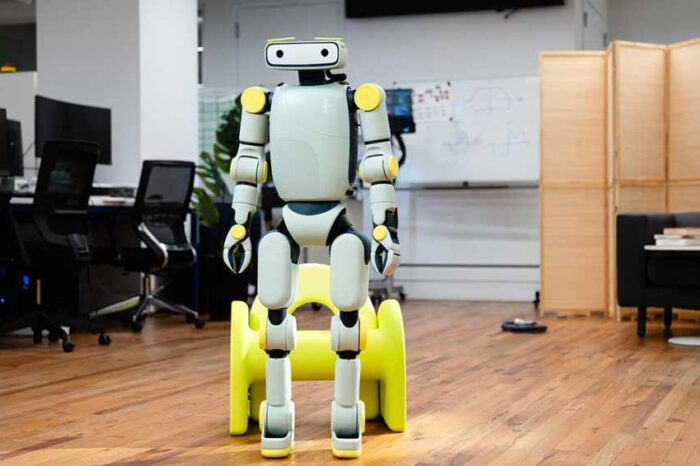
OpenAI made clear that the underlying research is not going away. Work on video models and world simulation will continue, with a growing focus on robotics and systems that interact with the physical world. Image generation inside ChatGPT remains intact.
The competitive backdrop is getting tighter. Rivals like Anthropic have been gaining traction in coding and enterprise use cases, pushing OpenAI to tighten its priorities. The broader pattern across the industry is starting to take shape: attention-grabbing consumer features are giving way to tools that businesses will pay for.
For users who spent time experimenting with Sora, the shutdown lands as a mixed moment. The product showed what AI video could look like at scale, even if it didn’t turn into a lasting platform. OpenAI, for its part, is moving on with a clear bet. The future it’s chasing is less about viral clips and more about systems that can act, decide, and get work done on behalf of users.
That tradeoff says a lot about where the AI race is heading.