Private Chinese startup mass-produces Mach 7 hypersonic missiles for $99,000
 Daniel Levi
Posted On March 24, 2026
Daniel Levi
Posted On March 24, 2026
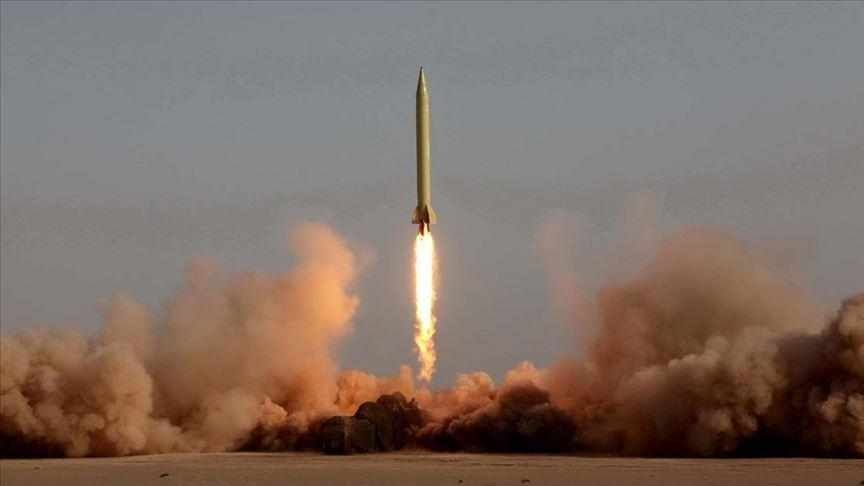
As tensions continue to escalate in the ongoing war involving Iran, a new development out of China is raising fresh concerns about how the conflict could evolve. A private Chinese aerospace company says it has begun mass-producing Mach 7 hypersonic missiles for as little as $99,000 each—a breakthrough that, if proliferated, could extend conflicts by making advanced weapons cheaper and more accessible.
The development raises a more unsettling question: what happens when hypersonic weapons become cheap enough to mass-produce at scale?
Beijing-based Lingkong Tianxing Technology released footage this week showing its YKJ-1000 missile in flight, including a confirmed strike at a desert testing range. The company claims the system is already in production and priced at roughly one-tenth the cost of comparable weapons.
If accurate, the pricing would place the YKJ-1000 far below traditional systems. By comparison, U.S. interceptors such as the SM-6 can cost more than $4 million per unit, while systems like THAAD and Patriot PAC-3 range from roughly $3 million to over $10 million per interceptor.
“According to slides widely circulated online, the unit production cost of this missile, already in mass production after successful combat trials, may be as low as 700,000 yuan (around US$99,000),” South China Morning Post (SCMP) reported.
“A single SM-6 naval interceptor costs about US$4.1 million, over 40 times the price of one YKJ-1000. Meanwhile, the THAAD system costs US$12-15 million for each interceptor, while the Patriot PAC-3 that Taiwan hopes to buy would cost US$3.7-4.2 million each.” SCMP added.
China’s YKJ-1000 missile: A hypersonic missile built for scale
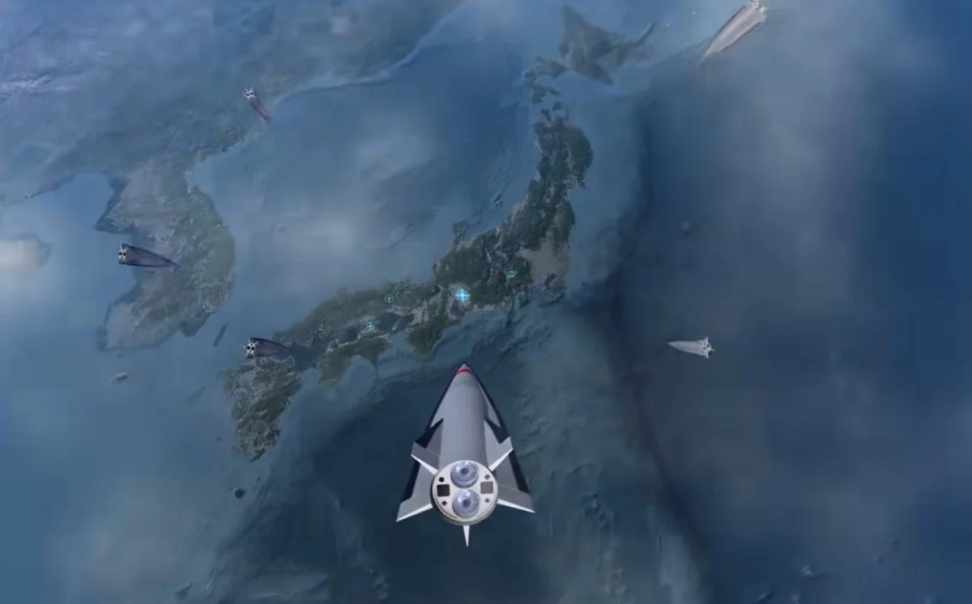
China’s YKJ-1000 missile: A hypersonic missile built for scale (Courtesy: SCMP)
The YKJ-1000 has a reported range of 500 to 1,300 kilometers and reaches speeds between Mach 5 and Mach 7, maintaining powered flight for up to six minutes.
“Private Chinese company rolls out Mach 7 hypersonic missile at nearly 90% lower cost. With autonomous guidance, evasive manoeuvres, and planned AI swarm capability, China’s new hypersonic missile program shifts the balance in the global arms race. The YKJ-1000 offers a range between 500 and 1,300km and reaches speeds of Mach 5 to 7. The missile maintains powered flight for up to six minutes,” Interesting Engineering reported.
The system is launched from a container-based platform that resembles a standard shipping container, enabling deployment from trucks or vessels without specialized infrastructure. In demonstration footage, the launcher automatically stabilizes before launch, after which the missile follows a guided trajectory and executes a steep terminal strike.
Company-released animations suggest the missile can adjust its path mid-flight and evade defenses, while coordinated launch sequences indicate potential for multi-missile operations.
Space Transportation has tested a prototype of its hypersonic passenger aircraft, according to a recently released video shared on X.
👀 SPACE-TRANSPORTATION has tested a prototype of their hypersonic passenger plane, shown in a recently released clip. https://t.co/TmvrZ1elaR pic.twitter.com/mRkzg6BEhl
— CNSPACE (@CNSpaceflight) January 24, 2025
Built using civilian supply chains
Lingkong Tianxing says its approach relies on widely available components rather than specialized military hardware. The company cited the use of automotive-grade chips, civilian construction materials, and existing manufacturing infrastructure to drive down costs.
The missile’s “cement-coated” design, which uses low-cost heat-resistant materials, has drawn attention for its unconventional approach to thermal protection.
According to the company, it now controls key parts of the production stack, including propulsion, aerodynamics, control systems, and thermal shielding, and holds relevant certifications tied to China’s defense ecosystem.
A shift in how weapons are built
The company framed its production model as part of a broader shift away from high-cost, long-cycle defense programs toward systems designed for scale, speed, and autonomy.
That shift is happening as the United States continues to invest heavily in hypersonic programs led by major defense contractors, often involving multi-billion-dollar budgets and extended development timelines.
Lingkong Tianxing, by contrast, is positioning its system around rapid manufacturing and lower-cost components—an approach that could allow for significantly larger production volumes.
What comes next
The company says it is working on an upgraded version of the missile that integrates artificial intelligence and swarm coordination, enabling multiple units to operate together and adapt in real time.
Beyond defense, Lingkong Tianxing is also pursuing civilian applications, including a Mach 5 aircraft designed for ultra-fast global travel, with early testing planned for 2027.
Why it matters
If low-cost hypersonic weapons can be produced at scale, it could shift the balance between offense and defense.
A $99,000 missile capable of evading defenses creates a cost dynamic where intercepting threats becomes significantly more expensive than launching them. That imbalance could pressure existing defense systems and force governments to rethink procurement, strategy, and deterrence.
It also signals a broader change in how advanced weapons are developed—moving from tightly controlled, state-led programs toward models that involve private companies operating with access to commercial supply chains.
Watch: A breakdown of China’s low-cost hypersonic missile program and what it could mean for global defense dynamics
Trending Now

Top Tech News Today, May 5, 2026