Elon Musk Defrauded Twitter Investors During $44B Acquisition Battle, Jury Concludes
 Daniel Levi
Posted On March 20, 2026
Daniel Levi
Posted On March 20, 2026
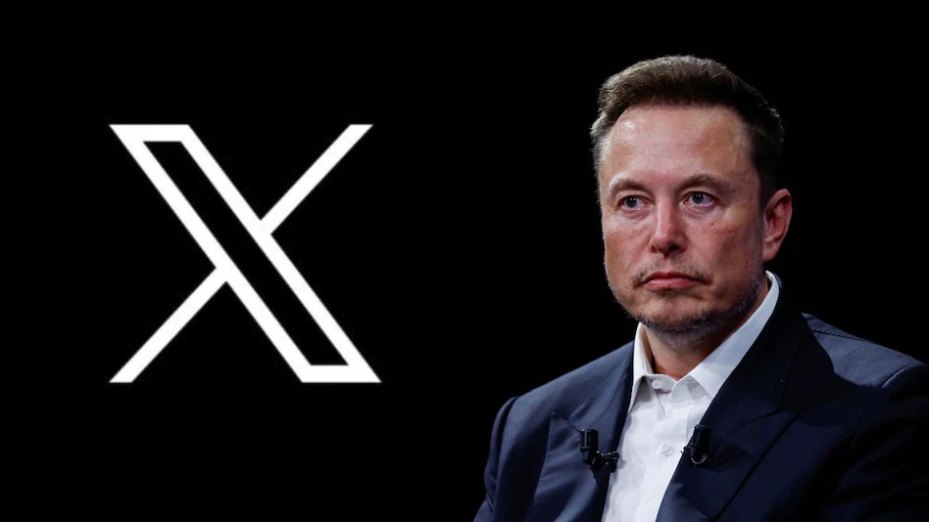
Elon Musk’s long-running battle over his $44 billion takeover of Twitter has taken a new turn—and this time, a jury has weighed in. A federal jury in San Francisco has found that Musk misled Twitter investors during his 2022 attempt to renegotiate the deal, handing a partial victory to shareholders who claimed they were harmed by his public statements.
After three to four days of deliberations, the eight-member panel concluded Musk was liable on one key fraud claim tied to his tweets, though it rejected other allegations that he carried out a broader scheme.
Bloomberg broke the news Friday, posting on X: “Breaking: Elon Musk defrauded Twitter investors when he disparaged the company in 2022 in an effort to buy the social media platform for a lower price than his original $44 billion bid, a jury concluded.”
Breaking: Elon Musk defrauded Twitter investors when he disparaged the company in 2022 in an effort to buy the social media platform for a lower price than his original $44 billion bid, a jury concluded https://t.co/vJRJX664ST
— Bloomberg (@business) March 20, 2026
Elon Musk Liable for Fraud in Twitter Deal Dispute, Faces Up to $2.6B in Damages
“Elon Musk defrauded Twitter Inc. investors when he disparaged the company in 2022 in an effort to buy the social media platform for a lower price than his original $44 billion bid, a jury concluded. Jurors in federal court in San Francisco found Friday that Musk intentionally misled Twitter shareholders when he tweeted that the social network — now called X — had too many fake accounts and tried to back out of the deal. The jury rejected two of the four fraud claims,” Bloomberg reported.
The case goes back to April 2022, when Musk agreed to buy Twitter for $54.20 per share. Weeks later, he began publicly challenging the company’s numbers on spam and bot accounts. Twitter’s filings had placed fake accounts at under 5% of monetizable daily users. Musk pushed back, questioning that figure in a series of posts that quickly moved the market.
On May 13, he wrote that the deal was “temporarily on hold” pending verification of bot levels. A few days later, he doubled down, tying the acquisition to the accuracy of Twitter’s SEC disclosures. Around the same time, he suggested in a conference appearance that fake accounts could be far higher than reported.
Those remarks landed hard. Twitter’s stock slid sharply, falling to $32.52 by July 2022—roughly 40% below Musk’s agreed purchase price. Investors who sold during that stretch argued they were squeezed by a price drop driven by statements that turned out to be misleading.
Twitter sued Musk in Delaware to force the deal through. He eventually reversed course and completed the acquisition in October 2022 at the original price.
Inside the courtroom, jurors heard from Musk, former CEO Parag Agrawal, former CFO Ned Segal, and bankers involved in the transaction. Musk said his concerns about bots were real and based on what he believed were gaps in Twitter’s disclosures. He admitted that his “temporarily on hold” tweet “may not be my wisest tweet,” though he maintained he never walked away from the deal outright.
The jury saw it differently—at least in part. It found that Musk’s May 13 and May 17 tweets were materially false or misleading and that they harmed investors. At the same time, jurors cleared him over comments made at a May 16 conference and rejected the broader claim that he orchestrated a full-scale fraud scheme.
Damages could be substantial. Lawyers for the plaintiffs estimate the total could range from $2.1 billion to $2.6 billion, calculated across trading days and tied to individual shares and options. The final payout will be sorted out in a later phase.
Mark Molumphy, lead attorney for the investors, framed the outcome as a signal to the market. He said Musk’s statements were “intentional, deliberate, and devised to convey to investors that Twitter was overrun with spam,” adding that Musk “trashed the executives, he trashed the company, he trashed the stock” as he tried to escape the deal.
Musk’s legal team pushed back, arguing the concerns about bots were legitimate and widely discussed at the time. Attorney Michael Lifrak said there was no hidden agenda and no deception. After the verdict, the defense described the decision as “a bump in the road” and indicated plans to appeal. Musk has not publicly commented.
The case is being closely watched across Silicon Valley and Wall Street. It raises questions about how far executives can go when using social media to discuss active deals—especially when those posts can move billions in market value within hours.
For Musk, the financial impact may be limited even at the high end of the estimates, given his net worth. The legal fight, though, is far from over. Appeals and post-trial motions could stretch this case out for years.
For investors, the verdict draws a line. Public statements—tweets included—carry weight, and in this case, a jury found they crossed the line.