OpenClaw takes China by storm, sparking a buying frenzy for used Macs
 Daniel Levi
Posted On March 19, 2026
Daniel Levi
Posted On March 19, 2026
Less than a month since its launch, OpenClaw has exploded in popularity as autonomous AI agents move from hype to real-world power. Now its wave is sweeping across China—driving unexpected demand in the hardware market.
Across Beijing, Shenzhen, and beyond, people are lining up at events, downloading a new tool, and in many cases, buying entirely new machines just to run it. The tool is OpenClaw, an AI agent that doesn’t just answer questions—it acts. It can send emails, browse the web, place orders, and manage tasks on a user’s behalf. That shift from assistant to operator is drawing in a wave of early adopters.
OpenClaw boom drives surge in secondhand Mac demand
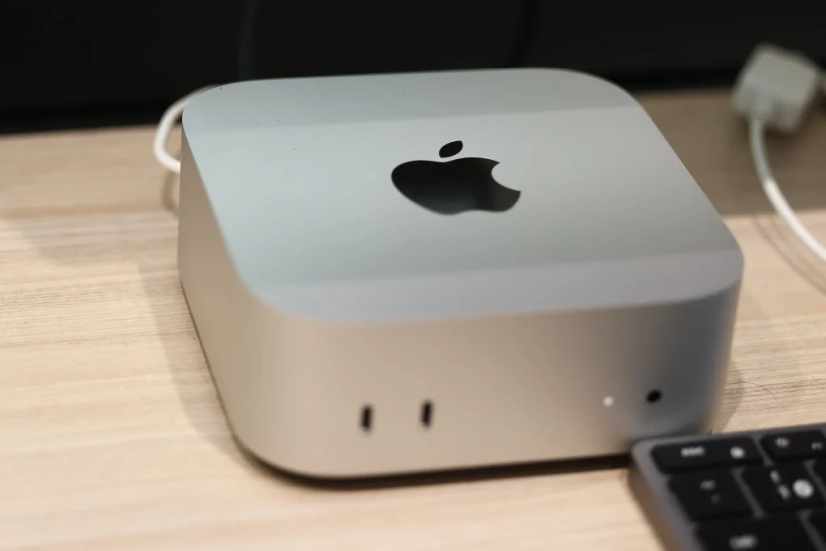
The ripple effect is already visible. Demand for secondhand Macs is climbing fast, according to Jeremy Ji, chief strategy officer at ATRenew, a major electronics resale platform that partners with Apple and JD.com. Ji says the surge echoes what the company saw during the pandemic, when remote work pushed consumers to upgrade their devices.
This time, the trigger isn’t remote work. It’s autonomous software.
OpenClaw, created by Austrian developer Peter Steinberger, first appeared late last year. Interest in China took off only recently, after companies like Tencent and Baidu began promoting it through public events and developer meetups. Crowds are showing up in person to get it installed and learn how to use it. The tool has even picked up a nickname—“raising a lobster”—a playful reference that has spread across social platforms and group chats.
“It seems everyone around me – my colleagues and friends — has it,” new user Gong Sheng said at a Baidu-hosted event in Beijing. “I don’t want to be left behind.”
“The OpenClaw craze is rapidly driving up prices and depleting stock of Apple’s Mac Mini compact computer across China, according to local sellers, as consumers scramble to secure machines capable of safely running the open-source artificial intelligence agent amid a nationwide rush to “raise a lobster,” The South China Morning Post reported.
That sense of urgency is translating into real spending. Many users prefer to run OpenClaw on a separate device, rather than risk giving it access to their primary laptop. The concern is simple: an AI agent with full system permissions can read files, modify data, and execute actions without constant oversight. For cautious users, the solution is to isolate it.
That has turned older Macs into hot commodities.
Ji says ATRenew is seeing unusual pricing patterns for this time of year. Spring is usually a slower season for Apple resale values, with prices easing after the winter holiday cycle. This year, prices are holding closer to peak levels typically seen during new iPhone launches. The company has even raised buyback prices to increase supply.
“We do see the growing demand for laptops, PCs as a whole, but the Mac devices benefit from that trend [to try OpenClaw] above all,” Ji said.
Apple’s silicon advantage is part of the story. Machines powered by M-series chips are known for strong performance and efficiency, making them a natural fit for running AI workloads locally. Early adopters are gravitating toward devices like the Mac Mini and newer MacBooks with M4 and M5 chips, trading in older M1 and M2 models to keep up.
The demand isn’t limited to enthusiasts. Across China, OpenClaw is finding its way into everyday use. Retirees are experimenting with side projects. Students are learning to automate workflows. Professionals are testing how far the tool can go in handling routine tasks.
Some are going further. The rise of so-called “one-person companies” is gaining traction, with individuals using OpenClaw to handle marketing, admin work, and operations without hiring staff.
“Human employees need rest, but OpenClaw can run 24/7,” said Wang Xiaoyan, who is exploring launching her own business with the help of the tool.
That vision aligns with broader policy goals. Beijing has been pushing to integrate AI across industries, with a target of embedding it throughout the economy by 2030. Local governments are offering subsidies to companies building applications around tools like OpenClaw, and major tech firms are racing to build supporting ecosystems.
“China is turning an open-source tool into national productivity infrastructure at a speed no other country is matching,” said Tom van Dillen, managing partner at consultancy Greenkern.
The momentum has caught the attention of global tech leaders. NVIDIA CEO Jensen Huang described OpenClaw as “definitely the next ChatGPT,” calling it “the largest, most popular, most successful open-sourced project in the history of humanity.”
That level of enthusiasm has helped push AI-related stocks higher in recent weeks, with companies rolling out products tied to the agent model.
Security concerns and rising costs cast a shadow over OpenClaw’s rise
Still, the excitement is running into friction.
Security concerns are growing as adoption spreads. Chinese regulators have started warning about data risks, and some government agencies, universities, and financial institutions have restricted its use. Users themselves are uneasy about how much control they are handing over.
“It’s hard for us regular people to know what access we have given it and what it has taken,” Gong Zheng said.
There are practical challenges, too. Running an agent across multiple apps and services isn’t always seamless. At a recent demonstration in Beijing, an OpenClaw-powered voice command took nearly two minutes to complete a simple coffee order through a third-party app. The promise is clear. The execution is still catching up.
Cost is another factor. Some users report spending heavily on tokens to run advanced tasks, with mixed results. Online forums are already filling with posts questioning whether the output justifies the expense.
At the same time, demand for computing power tied to AI is pushing up component prices across the board, including memory chips used in smartphones and laptops. That is nudging more consumers toward secondhand devices, especially Apple products that hold their value.
For now, the trend shows no sign of slowing. ATRenew expects laptops and personal computing devices to account for a larger share of its business this year, rising from 15% to as much as 20%.
The bigger picture is still taking shape. OpenClaw sits at the center of a shift from passive AI tools to systems that act on behalf of users. That shift is opening new possibilities and new risks at the same time.
In China, it is already changing behavior at scale—from how people work, to what they buy, to how they think about control over their own devices.