Alibaba launches Wukong AI agent platform to unify enterprise workflows across Slack, Teams, and WeChat
 Daniel Levi
Posted On March 17, 2026
Daniel Levi
Posted On March 17, 2026
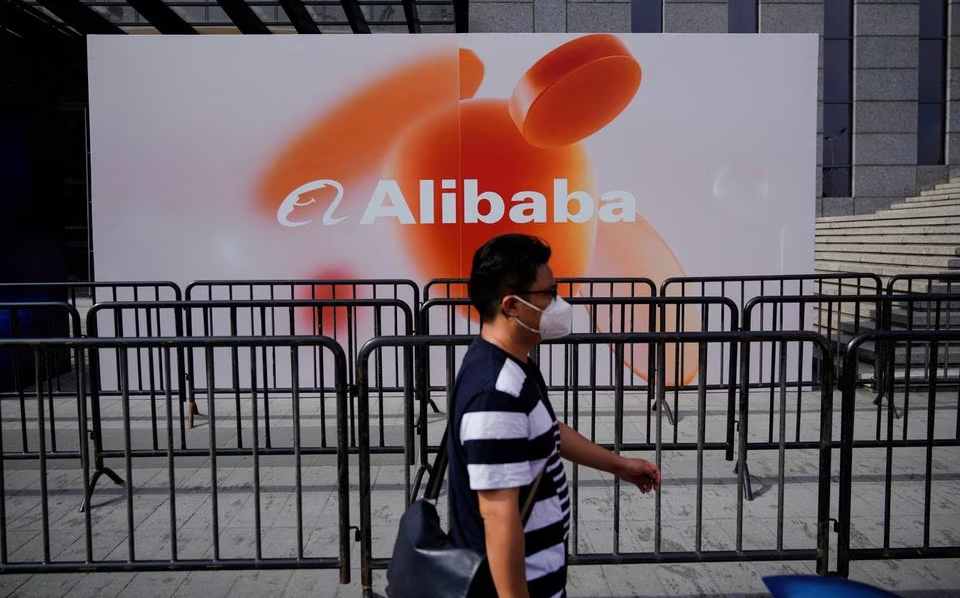
Alibaba is making its next move in artificial intelligence with a product that signals where enterprise software is headed. On Tuesday, the Chinese tech giant introduced Wukong, a new agentic AI platform built to help businesses run multiple AI agents from a single interface.
The pitch is straightforward: instead of juggling separate tools or bots, companies can coordinate everything in one place. Alibaba says Wukong enables organizations to manage agents that handle tasks such as document editing, approvals, meeting transcription, and research. In a statement to CNBC, the company said the platform comes with “enterprise-grade security infrastructure.”
Unlike chatbots that respond to prompts, AI agents act autonomously to complete tasks. That means deeper access to internal systems, company data, and workflows. The upside is automation that feels closer to delegation than assistance. The tradeoff is risk. The more control agents have, the more pressure there is to secure them.
Wukong is still in an invitation-only testing phase, which suggests Alibaba is taking a measured rollout approach. Early enterprise tools often live behind closed doors before a broader release, giving companies time to test reliability and security in controlled environments.
The name itself carries cultural weight. Wukong is drawn from the Monkey King in the classic novel Journey to the West, a figure known for intelligence, adaptability, and independence. The branding fits the idea of autonomous agents acting on behalf of users.
Alibaba is positioning Wukong as a connective layer across workplace software. The platform can run as a standalone desktop app or through DingTalk, Alibaba’s workplace communication platform with more than 20 million corporate users. From there, the company plans to expand integrations across Slack, Microsoft Teams, and Tencent’s WeChat, extending access across both desktop and mobile environments.
The ambition doesn’t stop at collaboration tools. Alibaba said Wukong will gradually integrate into its broader ecosystem, including Taobao and Alipay. That signals a larger vision: agents that span communication, commerce, and payments, operating within a single connected environment.
Alibaba isn’t alone in this push. Tencent and startups like Zhipu AI have been moving quickly to release their own agent-based systems. Many of these efforts are built on OpenClaw, an open-source platform developed by Peter Steinberger, who later joined OpenAI. The race is no longer about chat interfaces. It’s about systems that act.
Alibaba enters agentic AI race with Wukong as leadership exits shake Qwen team
The timing of Wukong’s release lines up with internal changes at Alibaba. The company recently announced a reorganization, placing the new AI agent platform under a business unit called Alibaba Token Hub. The group will focus on developing and applying AI tokens, which are units of data or value used within AI systems, including inputs, outputs, and usage tied to computing resources.
The unit will oversee several existing efforts, including Tongyi Laboratory, the MaaS Business Line, Qwen, and AI Innovation. Alibaba CEO Eddie Wu is leading the group. In an internal memo published on Alizila, Wu described the shift as a “historic opportunity” as the company stands at the “threshold of an [artificial general intelligence] inflection point.”
That message lands at a moment of change inside the company. Key members of the Qwen team have stepped away in recent weeks. On March 4, Lin Junyang, a technical lead behind the chatbot, hinted at his departure in a post on X, writing, “me stepping down. bye my beloved Qwen.” Wu confirmed the resignation the following day in a staff memo reviewed by CNBC, thanking Lin for his contributions.
Lin’s exit marks the third senior departure from the Qwen team this year, following Yu Bowen and Hui Binyuan, who led post-training and coding efforts. Leadership turnover inside a core AI group adds another layer of pressure as Alibaba pushes forward with new products.
Investors appear to be taking a wait-and-see approach. Alibaba’s Hong Kong-listed shares closed 0.45% higher on Tuesday at 134.6 Hong Kong dollars, or about $17.17. The company is set to report its fourth-quarter 2025 earnings later this week.
Wukong gives a clearer view of Alibaba’s direction. The company is betting that the future of enterprise software won’t be built around dashboards and forms. It will revolve around agents that execute tasks across systems, with humans stepping in to guide and review.

Trending Now
Top Tech News Today, April 2, 2026