China’s AI defense startup claims it intercepted B-2 stealth bomber signals during U.S. strike on Iran
 Daniel Levi
Posted On March 16, 2026
Daniel Levi
Posted On March 16, 2026
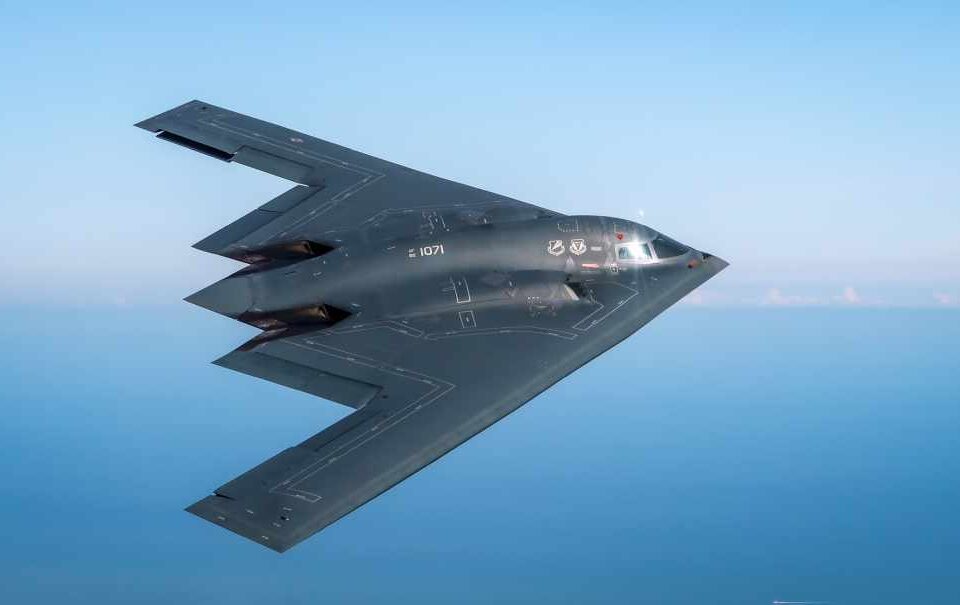
A Chinese defense tech startup says its artificial intelligence system picked up radio signals from U.S. B-2 Spirit stealth bombers during a strike on Iran, a claim that, if verified, could raise new questions about the limits of stealth warfare.
Hangzhou-based Jingan Technology says its monitoring platform detected signals linked to the aircraft during a U.S. operation carried out in early March. The company says the system later reconstructed the buildup to the mission using a mix of satellite imagery, aviation trajectory data, and publicly available military records.
According to a report from the South China Morning Post, the company claims its system captured signals from the U.S. aircraft as they returned from the mission. The bombers reportedly operated under the call signs Petro 41 through Petro 44 during the opening phase of the operation.
“A private company in China providing intelligence-gathering services to the People’s Liberation Army (PLA) claims to have intercepted radio signals from American stealth bombers that struck Iran on March 1 as part of the US-Israel military action,” South China Morning Post reported.
The aircraft referenced in the report is the Northrop Grumman B‑2 Spirit, one of the most secretive platforms in the U.S. arsenal. The bomber was built with stealth technology meant to reduce radar visibility and allow deep penetration into contested airspace.
Jingan Technology says its AI platform, known as the Jingqi war monitoring system, pieced together signals and activity patterns linked to the mission. The company claims the system tracked indicators of U.S. military movement weeks before tensions with Iran escalated into open conflict.
Did China’s AI Detect America’s Stealth Bomber? Startup Claims B-2 Signals Intercepted During Iran Strike
The Jingqi platform analyzes multiple streams of open-source data, including satellite imagery, aircraft flight paths, and publicly available military logistics information. By correlating these signals, the system attempts to identify patterns in transport aircraft routes, reconnaissance flights, equipment deployments at bases, and movements of aircraft carrier strike groups.
Company officials say the system flagged rising U.S. military activity around Iran on February 6, the same day talks began between Washington and Tehran over the future of Iran’s missile program. According to the company, the AI platform detected a steady buildup of assets across the region during the weeks that followed.
Jingan Technology framed the discovery in stark terms, arguing that advances in data analysis are eroding the traditional advantage held by stealth aircraft. The company said its system exposed what it described as the largest U.S. military buildup in the Middle East in two decades and suggested that artificial intelligence now allows analysts to track operations once hidden from view.
The claims have not been independently verified, and no public evidence has been released to support them. Military analysts have long cautioned that detecting radio emissions does not necessarily mean a stealth aircraft itself has been located or tracked. Many aircraft rely on encrypted communications, relay platforms, and support assets that generate signals independent of the aircraft’s stealth characteristics.
Still, the episode reflects a broader shift in modern warfare. Artificial intelligence systems are increasingly used to sift through massive volumes of open-source data, turning scattered signals into intelligence assessments. Analysts often refer to this process as open-source intelligence, or OSINT.
Stealth technology has historically focused on reducing visibility to radar and infrared sensors. Systems that analyze communication patterns, satellite imagery, and logistical activity introduce a different type of monitoring, one that attempts to infer military operations without detecting the aircraft directly.
Jingan Technology says its system used this approach to reconstruct the timeline of the U.S. operation. According to the company, the AI model analyzed activity patterns across multiple data sources before identifying the signals associated with the returning bombers.
The report arrives at a moment when military planners worldwide are investing heavily in AI-driven intelligence tools. Governments are funding platforms capable of processing satellite imagery, commercial flight data, shipping logs, and public communications at global scale.
Claims such as those from Jingan Technology are likely to fuel debate about whether stealth aircraft remain as difficult to track as once believed—or whether modern data analysis is beginning to expose previously invisible patterns.
For now, the company’s statement offers a glimpse into how AI systems are entering the intelligence arena. Whether the technology can reliably detect or infer the movements of stealth aircraft remains a question that military analysts and defense agencies will continue to scrutinize.
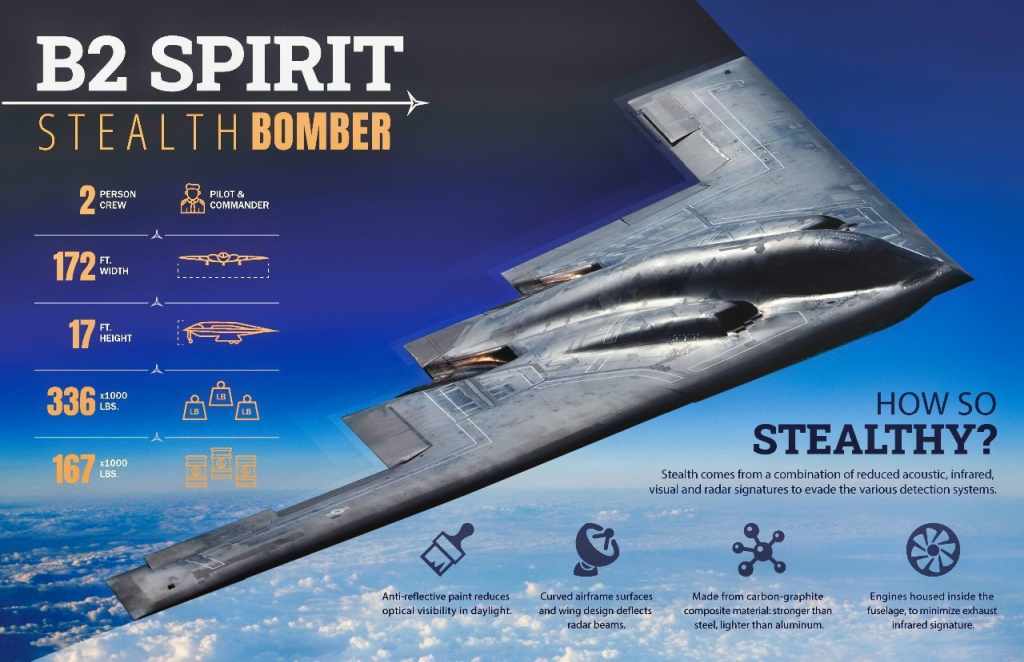
(Dec. 9, 2019) This poster is designed to communicate the aircraft specifications of the B2 Spirit Stealth Bomber. The B2 bomber was introduced on Jan. 1, 1997 by the Northrop Corporation.