BIOCAPTIVA, a University of Edinburgh spinout, raises £1.58M and launches magnetic bead tech to speed up liquid biopsy cancer testing
 Daniel Levi
Posted On March 9, 2026
Daniel Levi
Posted On March 9, 2026
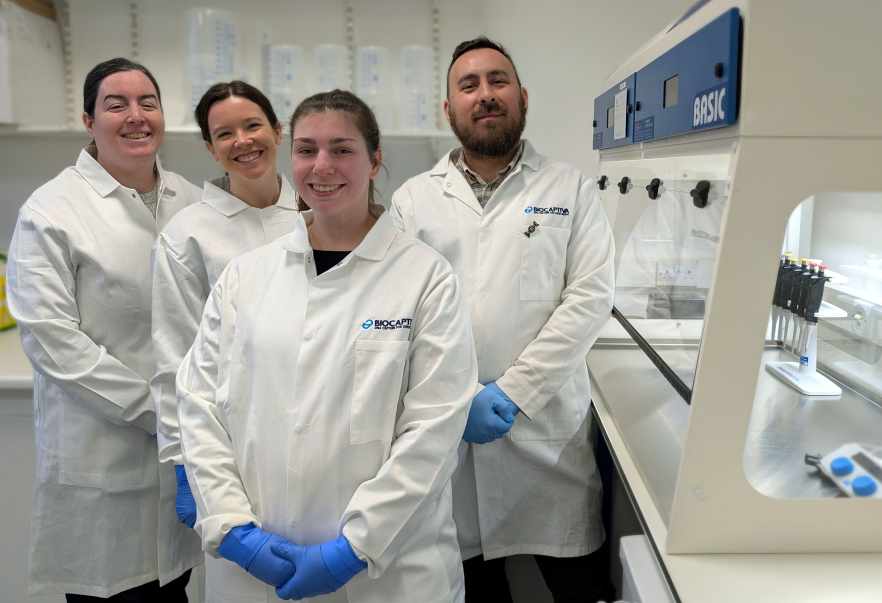
Cancer researchers have spent years pursuing a simple goal: extracting cleaner genetic material from blood samples to detect disease earlier and study tumors with greater precision. A young biotech startup from Scotland says it may have found a way to fix one of the biggest obstacles standing in the way.
BIOCAPTIVA, a University of Edinburgh spinout, has raised £1.58 million in fresh funding and introduced its first product in the United States, bringing its new magnetic bead technology to one of the world’s largest research markets. The company believes its platform can remove a stubborn bottleneck that has slowed progress in liquid biopsy testing for years.
Liquid biopsies rely on fragments of DNA circulating in the bloodstream, known as cell-free DNA. Scientists use these fragments to study cancer and develop non-invasive diagnostic tests. Extracting those fragments cleanly from blood samples has long been a tedious step that often requires centrifuges, multiple reagents, and careful lab handling.
BIOCAPTIVA says its approach simplifies that process.
University of Edinburgh spinout BIOCAPTIVA raises £1.58M, launches magnetic bead tech to speed liquid biopsy cancer testing
At the center of the company’s technology is its patented msX platform, which uses magnetic beads to extract DNA directly from whole blood. The system removes the need for centrifugation and additional reagents, producing higher-quality samples with fewer steps and less equipment. For researchers, cleaner samples can translate into more reliable sequencing data and faster experimental cycles.
The company recently launched its msX research kits in Boston, a major hub for biotech and cancer research. Early distribution in the United States is meant to build evidence across different research settings and demonstrate how the technology performs in real laboratory environments.
The funding round was led by existing investor Archangels, with backing from Old College Capital, BBI, Scottish Enterprise, and new investor EverQuest Capital Partners. The fresh capital will support further research and development and help expand BIOCAPTIVA’s product line.
Leadership is another area receiving attention. The company has appointed Alan Schafer as chief technology officer, bringing decades of experience in molecular diagnostics and genetics technologies. Schafer previously served as CTO at Inivata, a liquid biopsy company acquired by NeoGenomics for $415 million in 2021. His résumé also includes roles as CEO at Population Genetics Technologies and 14M Genomics, along with a position as VP of technology development at GlaxoSmithKline.
BIOCAPTIVA CEO Jeremy Wheeler sees a clear opportunity in oncology research, where better sample preparation could unlock faster progress across the field.
“Oncology is an exciting and vibrant sector. The scientists and technologists have been doing incredible things based upon the samples that they’re given, but there hasn’t been any particular movement in how the samples are prepared for years.
“Our msX platform has the potential to revolutionise how samples are collected, allowing for larger samples, faster extraction, simpler processing, and fully automatable capabilities.
“In practice, that means faster, better and deeper iteration and research on cancer, leading to better outcomes for potentially millions of people globally. This new funding brings us closer to achieving that goal.”
Investors say the company has reached a turning point as its technology moves from the lab into commercial use.
Sarah Hardy, director and head of new investment at Archangels, said: “BIOCAPTIVA is at an inflection point in its growth trajectory with the launch of its new msX beads. The market potential for the technology is remarkable, and with the products, the senior leadership and the research and development capability within the business, we’re confident about the future success of the BIOCAPTIVA.”
The Scottish government’s economic development agency is backing the company as part of a wider effort to support high-growth technology ventures emerging from the country’s universities.
Derek Shaw, director of entrepreneurship and investment at Scottish Enterprise, said: “Our investment in BIOCAPTIVA highlights our commitment to helping increase the scale of capital investment by businesses in Scotland to support our economy, drive productivity and create higher-value jobs. Company growth and productivity can lead to optimised operations, expanded export capabilities and move jobs up the value chain.”
For BIOCAPTIVA, the next chapter centers on proving that its technology can make liquid biopsy research easier and more scalable. If the company delivers on that promise, laboratories studying cancer may spend less time preparing samples and more time interpreting the genetic clues hidden inside them.
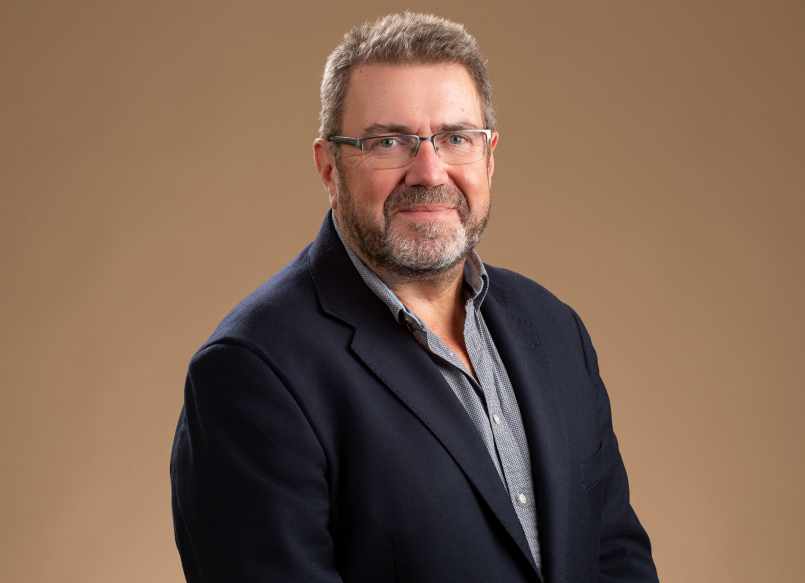
Jeremy Wheeler, CEO co-founder, BIOCAPTIVA (Courtesy: BIOCAPTIVA)