Self-driving startup Waabi raise $1B to expand its autonomous trucking platform, partners with Uber to launch robotaxis
 Daniel Levi
Posted On January 28, 2026
Daniel Levi
Posted On January 28, 2026
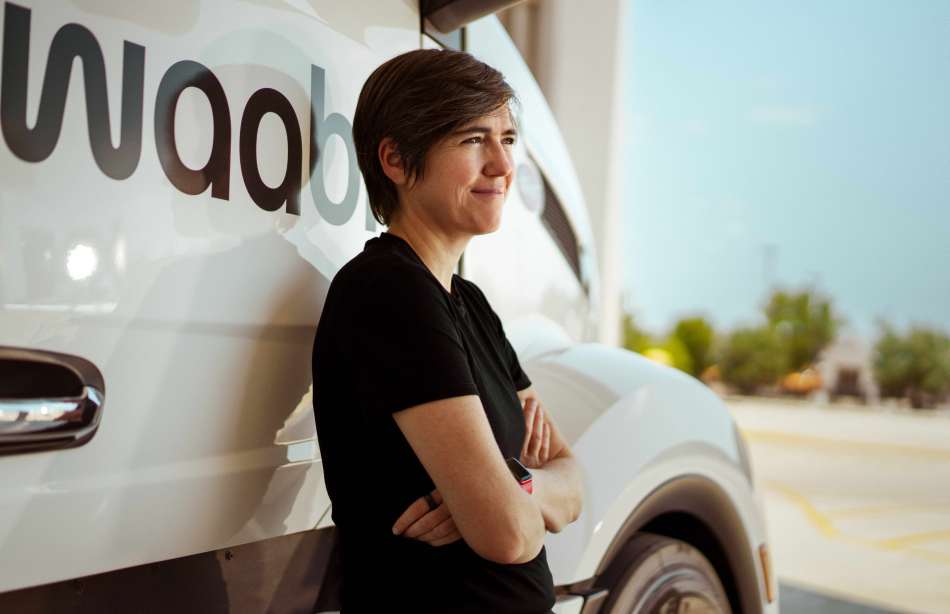
Waabi just pulled off one of the biggest funding moments the autonomous vehicle industry has seen in years.
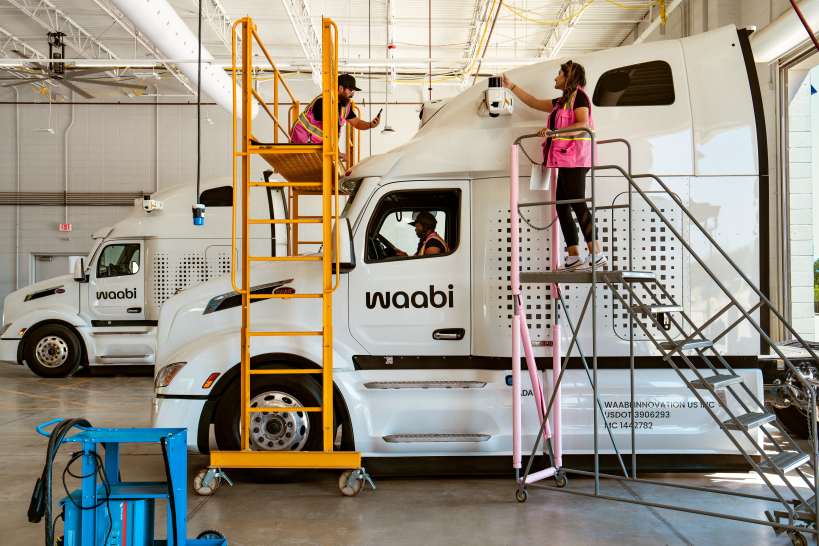
The Toronto-based self-driving startup has closed a $750 million Series C round that was oversubscribed by hundreds of millions, bringing its total new capital to $1 billion when combined with future milestone-based investment commitments from Uber. The deal stands as the largest fundraise in Canadian history and marks a clear shift in Waabi’s ambitions, pushing the company beyond autonomous trucking and into robotaxis.
The Series C round was co-led by Khosla Ventures and G2 Venture Partners, with participation from a long list of strategic and financial backers that reads like a who’s who of AI, transportation, and global capital. Uber joined the round alongside NVentures, Volvo Group Venture Capital, Porsche Automobil Holding SE, BlackRock-managed funds, HarbourVest Partners, ADIA, Radical Ventures, and several major Canadian institutions, including BDC Capital, Export Development Canada, TELUS Global Ventures, and BMO Global Asset Management.
Waabi Raises $1B in Canada’s Largest Tech Round to Take On the Robotaxi Market
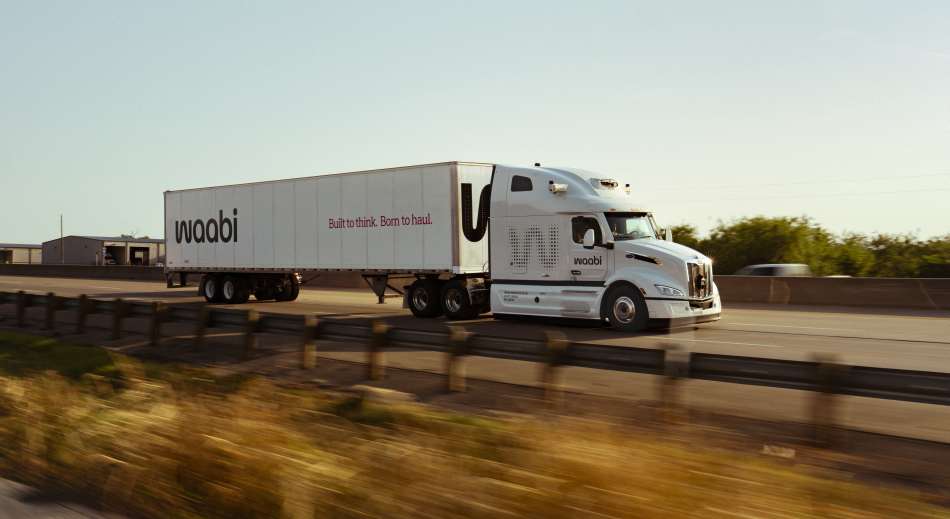
Waabi’s founder and CEO, Raquel Urtasun, said Wednesday the company closed the round in a single quarter. The company declined to share its valuation.
Bloomberg also confirmed the raise, reporting: “Waabi Innovation Inc., a Canadian startup that develops self-driving technology for trucks, has secured $1 billion in funding for its commercial expansion, including entering the robotaxi market with partner Uber Technologies Inc.”
Founded in 2021, Waabi has built its reputation on what it calls Physical AI, a system that treats autonomy as a general intelligence problem rather than a collection of task-specific rules. At the center of that strategy is a single AI model that can reason across different vehicle types and environments, paired with a large-scale neural simulation system that allows the company to train and test driving behavior before vehicles hit public roads.
That shared system now sits behind Waabi’s move into robotaxis. The same AI brain that runs the company’s autonomous trucks will power its passenger vehicles, allowing progress in one area to feed directly into the other.
Waabi says its trucking platform already operates across highways and surface streets, unlocking a direct-to-customer model that sidesteps many of the cost and integration issues that have slowed deployment across the industry. That foundation made the jump into robotaxis less of a leap and more of an extension.
“Our Physical AI Platform has enabled us to hit an industry-leading pace in the development and commercialization of autonomous trucks over the past few years,” the company said. “Our current self-driving capabilities across highways and generalized surface streets have unlocked a new direct-to-customer model that for the first time solves the pain points of the industry, and provides an unprecedented opportunity to quickly and seamlessly enter the robotaxi market, delivering a truly scalable solution for both verticals.”
The robotaxi push comes with a high-profile partner. Waabi will deploy robotaxis powered by the Waabi Driver exclusively on Uber’s platform. As part of the agreement, Uber plans to invest additional capital tied to deployment milestones and expects more than 25,000 Waabi-powered robotaxis to roll out over time.
“Building on the progress and maturity of Waabi’s autonomous trucking offering, the company is launching its second application of Physical AI: robotaxis,” Urtasun said. “We are thrilled to partner with the best-in-class ridesharing platform to bring about a safer, more efficient, and sustainable future.”
Uber CEO Dara Khosrowshahi framed the partnership as a long-term bet on scale. “Waabi’s expanded focus on robotaxis marks an important milestone for their team and the AV industry more broadly. We’re very excited to deepen our partnership with Waabi as they significantly scale their Physical AI Platform and enter a new phase of an already remarkable journey.”
Investors backing the round pointed to Waabi’s simulation-first approach as a key reason for their conviction.
“We invest in the companies that are leading the AI era. Waabi has developed a truly groundbreaking Physical AI platform that represents a fundamental leap forward in how next-generation driverless technology is being developed,” said Vinod Khosla, founder of Khosla Ventures. “Their remarkable progress in autonomous trucking and rapid expansion into robotaxis demonstrates how their technology unlocks for the first time true scale in the real world. This breakthrough will define AI for decades to come.”
G2 Venture Partners’ Brook Porter echoed that view, pointing to capital efficiency and deployment speed. “Waabi is fundamentally changing the trajectory of autonomous transportation. Their simulation-first end-to-end AI is a powerful enabler, accelerating commercial adoption while dramatically reducing capital needs to scale. Waabi is unlocking the potential for autonomy to drive vehicle efficiency and utilization, catalyzing the shift to a more sustainable transportation system.”
NVIDIA CEO Jensen Huang tied Waabi’s progress to the broader AI opportunity ahead. “With a trillion miles driven globally each year, self-driving is one of the largest and most important AI opportunities of our time. Waabi represents a true breakthrough by treating autonomy as a scalable intelligence problem. Built on NVIDIA compute, Waabi is unlocking real deployment—and we’re proud to support them as one of the future giants of AI.”
For an industry that has seen timelines slip and expectations reset, Waabi’s funding round sends a clear signal. Capital is still flowing to teams that can show real-world progress, disciplined engineering, and a credible path from research to deployment. With trucking revenue on one side and robotaxis on the other, Waabi is betting that one shared AI brain can finally make autonomy work at scale.
Waabi
Trending Now

Top Tech News Today, May 5, 2026