Tesla’s annual revenue drops for the first time in company history, but beats Q4 earnings estimates
 Daniel Levi
Posted On January 28, 2026
Daniel Levi
Posted On January 28, 2026
Tesla delivered a mixed signal to investors after the bell on Wednesday, beating Wall Street’s fourth-quarter expectations at a moment when the company crossed an uncomfortable milestone. Annual revenue fell 3% in 2025, marking the first year-over-year decline in Tesla’s history, reports CNBC. The results came at a time when scrutiny of demand, pricing pressures, and global competition has intensified.
For the quarter, Tesla reported adjusted earnings of 50 cents per share, ahead of the 45 cents that analysts surveyed by LSEG expected. Revenue reached $24.90 billion, narrowly topping forecasts of $24.79 billion, CNBC reported. The beat offered short-term relief for shareholders, yet the broader picture showed strain. Fourth-quarter revenue slipped 3% to $25.7 billion from a year earlier, with automotive revenue down 11%, pointing to weaker vehicle demand across several markets.
Tesla Beats Q4 Earnings Estimates as Revenue Falls 3% in First Annual Decline Amid Rising Pressure From BYD
Here’s how Tesla’s reported results compared with Wall Street expectations, based on LSEG data:
- “Earnings per share: 50 cents, adjusted vs. 45 cents, estimated
- Revenue: $24.90 billion vs $24.79 billion, estimated”
The earnings update arrived just a day after Brand Finance reported that Tesla’s brand value fell 36% in 2025. The research firm linked the decline to Elon Musk’s deeper involvement in politics and a third consecutive year of weakening consumer trust, adding another layer of pressure beyond sales and margins.
The slowdown reflects growing challenges in Tesla’s core business. Vehicle demand has softened in recent quarters as global competition accelerates, with China’s BYD leading the way, gaining ground through aggressive pricing and a broad product lineup.
Tesla remains profitable and operationally disciplined, yet the shift from years of uninterrupted growth to an annual revenue decline signals a new phase for the company. The latest results show a business that can still beat quarterly expectations, even as longer-term questions around demand, brand strength, and competitive position move closer to the center of the conversation.
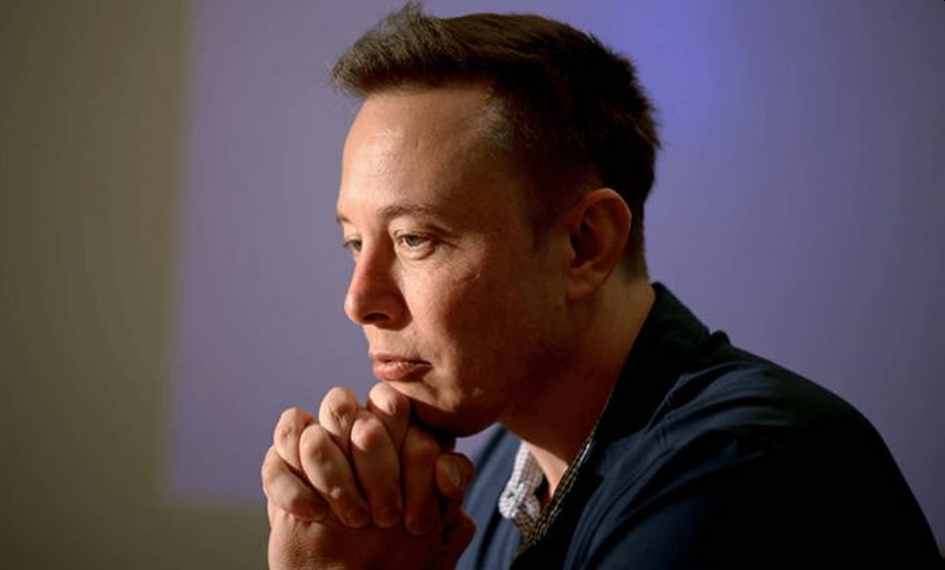
Tesla CEO Elon Musk