BitGo pops 24.6% in IPO debut, reaches $2.59B valuation in 2026’s first major U.S. crypto listing
 Nickie Louise
Posted On January 23, 2026
Nickie Louise
Posted On January 23, 2026
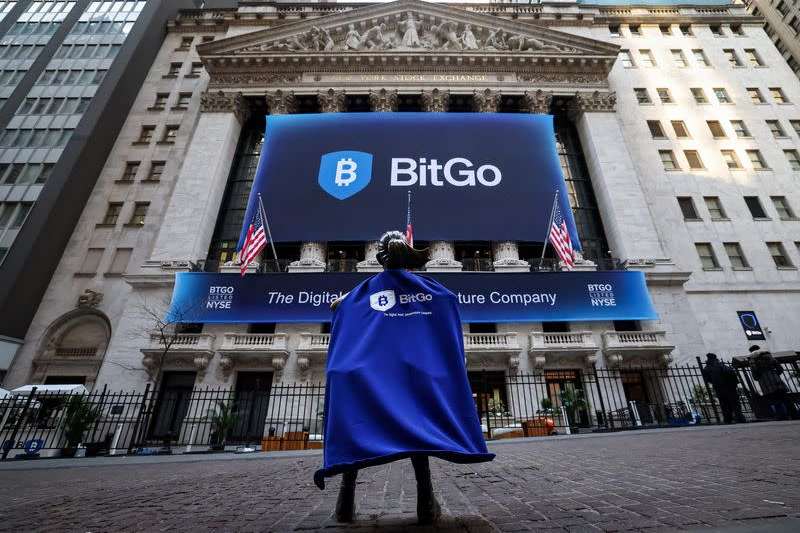
BitGo rang the opening bell in New York with a jolt. Shares of the crypto custody firm opened at $22.43 on Thursday, up 24.6% from the $18 offer price, pushing the company’s valuation to $2.59 billion and marking the first major U.S. crypto IPO of 2026.
Investors snapped up stock in a debut that arrived after months of quiet across crypto capital markets. BitGo and its backers sold 11.8 million shares above the marketed range of $15 to $17, raising $212.8 million in fresh capital. The listing follows a stretch of subdued activity after the U.S. government shutdown late last year, a period that shut the IPO door for crypto-linked firms through the fourth quarter.
“The crypto custody firm’s stock opened at $22.43 a share, above the $18 offer price. BitGo and some of its backers sold 11.8 million shares above the marketed range of $15 and $17 to raise $212.8 million,” Reuters reported.
The timing matters. BitGo’s offering is landing during a sector reset, not at a speculative peak. Bitcoin slid 6.4% in 2025, posting its first annual loss since 2022, and volatility has forced public market investors to scrutinize business models rather than narratives. That backdrop raises the stakes for companies stepping onto public exchanges.
“BitGo’s IPO is the first major bellwether of the market’s appetite for crypto listings in 2026. While Gemini listed near the peak of the crypto market last year, BitGo is going public into the headwinds of the recent selloff,” IPOX research associate Lukas Muehlbauer said.
Crypto Custodian Startup BitGo Goes Public, Valued at $2.59B After Stock Surges in NYSE Debut
BitGo’s pitch leans on infrastructure rather than speculation. The company presents itself as a profitable, regulated digital asset custodian serving institutions, a positioning meant to buffer day-to-day swings in token prices. Muehlbauer pointed to that framing as a key distinction. “Marketing itself as a profitable and regulated ‘digital asset infrastructure company’ instead of a pure token play, BitGo is positioned to be less prone to the day-to-day price movements of bitcoin,” he said.
Founded in 2013, BitGo stands out as one of the few crypto firms operating in the black. The company reported net income of $35.3 million during the first nine months of 2025, a metric that carries weight in a public market still skeptical of loss-heavy crypto businesses. Last month, BitGo secured approval from a top U.S. banking regulator to convert its state trust charter into a national one, clearing the way to operate across the country under a single framework.
That regulatory footing lands at a moment when sentiment has shifted. A lighter touch under the Trump administration has encouraged crypto firms to revisit public listings, reopening a window that had largely closed during last year’s selloff. Asset manager Grayscale and exchange Kraken sit among the companies widely viewed as near-term IPO candidates.
BitGo’s scale gives it credibility with institutional buyers. Based in Palo Alto, California, the firm processes roughly 15% of all global on-chain Bitcoin transactions and handles about $15 billion in crypto transfers each month across multiple assets. Its platform supports more than 200 coins and tokens and serves institutional clients in over 50 countries, including major cryptocurrency exchanges.
The company’s roots in custody and security trace back to its launch of the industry’s first multi-signature hot wallet in 2013. Five years later, BitGo introduced BitGo Custody and formed BitGo Trust Company, becoming the first qualified custodian built for digital assets. Its lending arm grew out of a private beta run alongside institutional clients, shaped by a team with Wall Street experience.
BitGo’s public debut may not settle the question of whether crypto IPOs are fully back. It does something more immediate. It puts a real test case in front of public market investors, one grounded in profits, regulation, and infrastructure rather than token momentum. The reception suggests that appetite exists, even in a market still licking its wounds.